

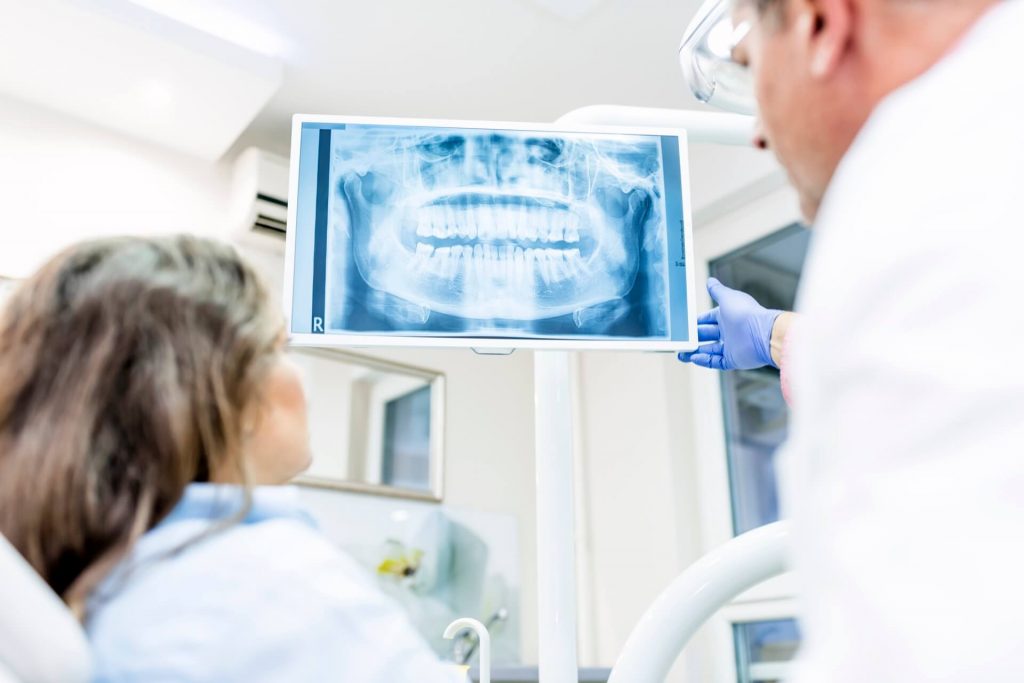
Get Your Gum Disease Under Control
Gum or periodontal disease is one of the most common chronic infections. Yet many people don’t realize they have it until it has progressed and caused real problems. The good news is that with routine periodontal exams, we can detect early signs of gum disease and get it under control before it escalates.
Our Commitment to Excellence in Periodontics
- Gum disease and gum recession treatment
- Scaling and root planing to remove plaque and tartar
- Antibiotic therapy to control bacterial infections
- Surgical procedures to repair damaged gum tissue
- Regular cleanings and exams to catch problems early
- Personalized at-home oral hygiene recommendations
Periodontal Examinations
At your regular cleanings, we perform a thorough periodontal evaluation to check your gums, bone, and tissues. We use specialized probes to measure the depth of gum pockets and look for any signs of bleeding, swelling, or recession. This lets us detect the earliest signs of gum disease before you notice any symptoms.
If we find signs of gum disease, we can get you on a treatment plan to stop its progression. Catching gum disease early means less invasive treatment and a faster recovery. Our goal is always to diagnose and treat periodontal issues before they worsen.
Deep Cleanings for Gum Disease
For patients diagnosed with gum disease, we offer specialized deep cleanings called scaling and root planing. During this procedure, we thoroughly scrub below the gum line to remove plaque that regular cleanings can’t reach. Our hygienists meticulously scrape each tooth surface using ultrasonic scalers and hand instruments to eliminate irritants.
Many patients notice an immediate improvement in their gum health and a reduction in bleeding after deep cleanings. To clean all tooth surfaces fully, we may need to perform the procedure in phases over several visits. Deep cleanings and improved home care are very effective for controlling moderate gum disease.
Laser Treatment for Gum Disease
For some patients with more advanced gum disease, we offer laser treatment in addition to deep cleanings. Using a specialized laser, our periodontist can precisely target and destroy pathogenic bacteria below the gum line. The laser treatment also helps reduce swelling and stimulates healing.
Compared to traditional instrumentation, the laser procedure is often more comfortable for patients and may be more thorough at eliminating infection. Laser treatment, combined with deep cleanings and follow-up therapies, has excellent long-term success rates for reversing gum damage.
Gum Grafting for Recession
If you’ve noticed your gums receding or becoming thin, it could be a sign of advancing gum disease and an increased risk of future problems like sensitivity. Our periodontist is skilled at performing gum grafts to replace lost gum tissue and reduce recession.
Healthy gum tissue is harvested and transplanted to receded areas during this procedure. It is then sutured into place so it can regenerate. A graft provides real, long-lasting coverage to protect roots and reduce sensitivity. Combined with regular cleanings, grafts can help stabilize advanced gum disease.
Additional Periodontal Therapies
Other advanced treatments may be recommended for patients with severe periodontal disease, such as antibiotic therapy or guided tissue regeneration using collagen membranes. Our goal with any periodontal treatment is to halt infection, regenerate lost bone and tissues if possible, and stabilize your gums long-term.
We combine surgical approaches with ongoing supportive periodontal maintenance to achieve the best results.
Supportive Periodontal Treatment
At Pinnacle Dentistry, we understand that periodontal disease is a chronic condition that requires life-long management, not just a one-time fix. That’s why we recommend ongoing supportive periodontal maintenance tailored to each patient’s specific needs and risk factors after active treatment.
During these supportive visits, we closely monitor your gum health and provide professional cleanings and polishing to ensure no new pockets form. This is vital in preventing disease recurrence and keeping your gums, bone, and tissues as healthy as possible for life.
Periodontal Health for the Whole Family
At our practice, we treat adults and children of all ages. We understand that preventing and treating gum disease is essential for a lifetime of oral wellness. During your child’s cleanings, exams, and X-rays, we can detect early signs of gingivitis or periodontitis and get them on the right track. We aim to educate entire families and promote lasting healthy dental habits.
Book an Appointment With a Colorado Springs Periodontist
Contact Pinnacle Dentistry to book an appointment with a top periodontist in Colorado Springs.
Dental Crown FAQ
We take every precaution to minimize discomfort during the crown preparation and cementation. We use a local anesthetic to numb the tooth and area, take our time, and communicate throughout the process. Most patients feel little to no discomfort.
With proper oral hygiene and regular dental visits, a crown can last 10-15 years or even longer before possibly needing replacement. Certain factors like grinding habits can impact lifespan.
Once cemented, your natural tooth remains intact underneath the crown. The goal is to strengthen and protect the tooth, so it is not affected.
Our temporary dental crowns are bonded securely but can occasionally come off if excessive force is applied. If this happens, just call us right away, and we will re-apply them as soon as possible.
With lifelike materials and attention to detail, dental crowns match neighboring teeth in color, shape, and texture. After a short adjustment period, most patients cannot distinguish their crown from their natural teeth, and the gum tissues stay soft and supple.
Immediately after cementation, expect some temporary mild sensitivity as your teeth adapt. Stick to soft foods, avoid excessively hot foods or beverages, and allow a few weeks for complete acclimation. Make sure to eat slowly and close your mouth while chewing for additional comfort until any sensitivity subsides.
Crowns do not require any cleaning different from natural teeth. Be sure to brush and floss the crown area daily just as you would your other teeth. Avoid excessive pressure around the crown while flossing. Routine cleaning will help to keep crowns healthy in the long term.