

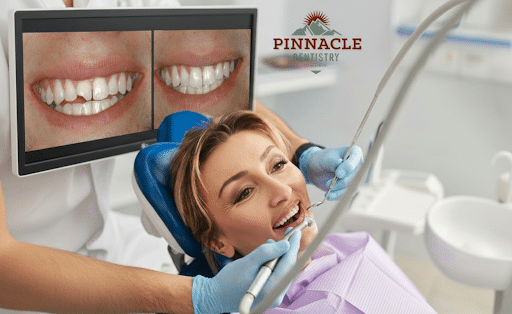
A cracked tooth is what many experience when they least expect it. Whether it’s from biting down on something too hard, an accident, or years of wear and tear, cracked or chipped teeth can not only cause physical pain but also leave you feeling self-conscious about your smile. When there’s just a small crack, it may not seem like that big of a deal, but if you ignore it, the problem could escalate into something much worse, from pain to infection to more invasive dental treatments.
If you have just noticed a crack or chip in one of your teeth, address it soon to avoid complications. Fortunately, several cracked tooth treatments can help restore your smile to full function and appearance. In this blog, we’ll guide you through the steps to take when dealing with a cracked or chipped tooth and the professional repair options available, so you can feel comfortable and confident in your smile again as quickly as possible.
Recognizing the Symptoms of a Cracked or Chipped Tooth
Understanding the symptoms can help you identify whether you have a cracked or chipped tooth. Not all cracks are immediately noticeable, so pay attention to any discomfort or changes in your tooth’s sensitivity.
- Pain while chewing: If you experience sharp pain when chewing, it could be a sign that a tooth is cracked.
- Temperature sensitivity: A cracked tooth may cause heightened sensitivity to hot or cold foods and beverages.
- Visible cracks or chips: Sometimes, cracks or chips are visible to the naked eye. If you notice a visible line in the enamel or a part of the tooth has broken off, it’s time to get it looked at by a professional.
- Swelling: In some cases, a cracked tooth can lead to infection, which may cause swelling or tenderness in the gums near the cracked area.
Immediate Care for a Cracked or Chipped Tooth
When you discover a cracked or chipped tooth, the first step is to stay calm and assess the situation. Immediate care can make a significant difference in how your tooth heals and whether additional treatment for a chipped tooth is needed.
1. Wash Your Mouth With Warm Water
The first step you should take as soon as you notice a crack or chip is to rinse your mouth with warm water. This can rinse and clean the area, especially if you have any sharp pieces of your tooth that are irritating your gums or cheeks.
2. Apply a Cold Compress
Applying a cold compress for 15-20 minutes at a time on the outer side of the damaged cheek helps control discomfort until one can visit a dentist regarding the impending pain. Cold compresses help reduce inflammation and swelling, keeping it at a level where the swelling remains below the immediate surface of the damaged cheek.
3. Apply Dental Wax or Chew Sugar-Free Gum
If the cracked tooth is creating sharp edges that might injure your gums or tongue, you can apply dental wax or sugar-free gum as a temporary covering for the jagged surface. This will provide some relief for the tooth until you can see a professional.
4. Avoid Hard or Chewy Foods
To prevent further injury to your tooth, avoid hard, crunchy, or chewy foods. These may add extra pressure to a damaged tooth, further cracking it. Avoid hard meals until you get it treated by a dentist.
5. Take Over-the-Counter Pain Relief
If your cracked tooth is causing you pain, over-the-counter pain relievers like ibuprofen or acetaminophen can help manage the discomfort. However, it’s essential to follow the recommended dosage and see your dentist as soon as possible.
Treatment Options for Cracked or Chipped Teeth
Once you’ve received initial care, the next step is professional treatment. Your dentist will evaluate the damage and recommend the best course of action. Depending on the severity of the crack or chip, there are several options to repair your tooth.
1. Dental Fillings for Small Chips
Assuming the chip or crack is restricted to the enamel, your dentist will remove the damaged enamel and replace the missing contour with a tooth-colored restoration material. This is a simple procedure that takes less than an hour to complete and usually requires a single visit.
2. Dental Bonding for Broken Teeth
If your tooth is chipped but large enough to be saved, the best option is dental bonding. The dentist applies a tooth-colored patch to the defect, shapes it to conform to the tooth’s contour, and then applies ultraviolet light to set it. This is one of the best alternatives for restoring teeth with surface claws, both in appearance and functionality. Still, there are other options available, so understanding the cost helps you make a more informed decision.
3. Crowns for Severe Damage
When the damage is severe, such as a large crack that threatens the tooth’s integrity and needs an emergency tooth repair, a crown may be necessary. A dental crown covers the entire tooth, providing strength and protection. Crowns are typically made from porcelain or ceramic, offering a natural look that blends seamlessly with your other teeth.
4. Root Canal for Deep Cracks
If the crack extends into the tooth’s pulp, which contains nerves and blood vessels, a root canal may be needed. This is especially true if the cracked tooth symptoms include persistent pain or infection. During a root canal, the dentist removes the damaged or infected tissue from the tooth, cleans the area, and seals it. Afterwards, the tooth is usually crowned to protect it from further damage.
5. Tooth Extraction for Unrepairable Teeth
When a tooth is severely cracked and cannot be saved, extraction may be the only option. This happens when the crack extends below the gumline or when the tooth is structurally unstable. After extraction, your dentist will discuss options for replacing the tooth, such as dental implants or bridges.
Get Reliable Care in Colorado Springs!
It can be distressing when a tooth is cracked or chipped. However, with proper treatment, any tooth can be repaired. With appropriate care, chips and cracks can be repaired with dental fillings, bonding, or crowns. If you need treatment for a cracked tooth or urgent dental care, Pinnacle Dentistry in Colorado Springs offers the best possible options and treatment plans tailored to you.
Pinnacle Dentistry is committed to high-quality dental care. The caring philosophy and patient-centred approach ensure patient comfort during procedures. From simple fillings to more complex restorations such as root canals and crowns, the team can assist you with any procedure required to help you regain your smile.
Contact Pinnacle Dentistry today to schedule your appointment. Call us on 719-590-7100 anytime Monday through Friday, 8:00 a.m. to 5:00 p.m., and get the care you need without delay.
