

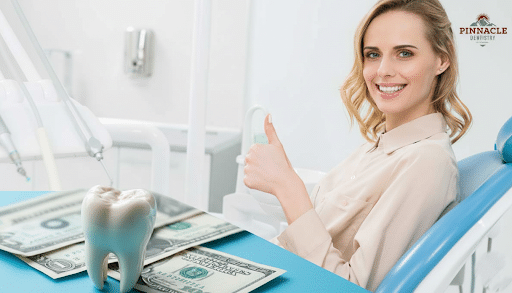
Cosmetic dentistry has become an essential service for many seeking to enhance their smiles. Whether it’s veneers, bonding, or a complete smile makeover, these procedures can improve the appearance of your teeth.
However, with so many options, it’s common for patients to wonder: What does cosmetic dentistry really cost? The answer isn’t as simple as a one-size-fits-all price tag.
Cosmetic dental procedures can range from relatively inexpensive treatments, such as dental bonding, to more complex, multi-step processes, such as veneers or complete smile makeovers. Factors such as the materials used, the dentist’s experience, the practice’s geographical location, and the extent of the treatment all play a significant role in determining the final cost.
Why Cosmetic Dentistry Costs Vary?
Cosmetic dentistry includes a variety of treatments that improve the appearance of your smile. Methods such as porcelain veneers, composite bonding, and complete smile makeovers are now all the rage for those seeking a straighter, whiter, and more youthful-looking aligned smile. However, the price of such treatments can fluctuate widely based on factors such as the treatment’s category, the dentist’s skill level, and the type of materials used.
Although cosmetic procedures are typically elective, the health and appearance of your teeth could improve dramatically as a result. Educating yourself about the factors that affect the cost of cosmetic dentistry will empower you to make a wise decision regarding your oral health.
Factors Influencing the Cost of Cosmetic Dentistry
The cost of cosmetic dentistry varies based on several important factors that go beyond the type of procedure itself. Understanding these factors can help you make a more informed decision about the treatment that best fits your needs and budget. From the materials used to the location of the dentist’s practice, each element plays a significant role in determining the total cost of your cosmetic dental procedure.
1. Type of Cosmetic Dental Procedure
The specific cosmetic procedure you choose is one of the most critical factors in determining the overall cost. Some methods are more straightforward and quicker to perform, while others are more intricate and time-consuming, influencing both the price and the treatment time.
- Dental Bonding: One of the most common and affordable options, dental bonding involves applying a tooth-colored resin to fix chips, gaps, or minor imperfections. It’s a quick procedure that typically requires just one visit, making it an economical choice for many patients.
- Porcelain Veneers: Veneers are more advanced and require precise preparation, as they are custom-made to fit your teeth perfectly. This process requires more time and specialized skills, making it a more expensive option than dental bonding. However, they offer greater durability and a more natural-looking result.
- Smile Makeover: A smile makeover is a comprehensive treatment plan that may involve several procedures, such as veneers, bonding, teeth whitening, or even orthodontics. Since it includes multiple treatments customized to your specific goals, a smile makeover tends to be more expensive due to the number of steps involved.
The more complex or personalized the procedure, the higher the overall cost. It’s essential to consider the extent of your treatment plan when estimating the total cost of cosmetic dentistry.
2. Materials Used for Cosmetic Dentistry
The materials selected for your treatment directly impact both the outcome and the cost. Materials vary in quality, durability, and aesthetic appeal, with premium options typically more expensive.
- Porcelain: Used in veneers, porcelain is highly valued for its natural look, strength, and resistance to staining. It mimics the appearance of natural teeth and is known for its long-lasting qualities. This makes it a preferred choice for those seeking a durable, aesthetically pleasing result, though it tends to be more costly than other materials.
- Composite Resin: A more affordable material used for dental bonding, composite resin is easy to apply and can be molded to shape. While it offers satisfactory results for many, it’s not as durable or stain-resistant as porcelain. This makes it a cost-effective option, though it may need to be replaced more frequently.
- Ceramic or Zirconia: Often used in crowns or bridges, ceramic and zirconia are durable materials that provide a natural appearance. They are strong, making them suitable for both cosmetic and functional purposes. Their durability often increases overall cost, especially for more extensive treatments such as full-mouth restorations.
- Gold and Metal Alloys: These are less common for purely cosmetic purposes but may be used in certain restorations, like crowns. While these materials are robust, they are typically chosen for their durability rather than aesthetic appeal.
3. Dentist’s Experience and Expertise
The level of experience and specialization of the cosmetic dentist can significantly affect the cost of your treatment. Highly skilled dentists with extensive training in cosmetic procedures are likely to charge more due to their expertise and the quality of their results.
- Specialization in Cosmetic Dentistry: Dentists who specialize in cosmetic procedures tend to charge higher fees than general dentists. Their advanced skills enable them to perform complex treatments, such as smile makeovers, which require a higher level of artistry and precision.
- Training and Certification: Dentists who have undergone additional training in advanced cosmetic techniques and earned certifications in areas like veneers or bonding often charge more. Their extra qualifications enable them to offer specialized care and achieve the best possible outcomes for patients.
- Reputation and Portfolio: A dentist with a strong reputation for delivering outstanding cosmetic results will often have a higher price point due to the demand for their services. Their proven track record of successful transformations can justify the higher cost, as patients are paying for both the quality of the work and the dentist’s established reputation.
4. Location of the Dental Practice
The location of the dental practice plays a critical role in determining the cost of cosmetic dental treatments. Dental offices in high-demand areas, preeminent cities, or affluent neighborhoods tend to have higher overhead costs, which are often reflected in the prices they charge for treatments.
- Urban vs. Rural: Dentists in urban centers with a high cost of living may charge more due to factors such as rent, utilities, and employee salaries. In contrast, practices in smaller towns or rural areas may offer lower fees due to reduced operational costs.
- Demand and Competition: In metropolitan areas with high demand for cosmetic dentistry, prices can be higher because patients have access to a larger selection of dentists. In less competitive markets, prices are more affordable, though the range of options may be more limited.
5. Extent of the Treatment
The overall complexity of the cosmetic treatment plan can significantly influence the cost. If your treatment requires multiple procedures, more advanced techniques, or a longer time commitment, it will naturally be more expensive.
- Single vs. Multiple Procedures: If you’re undergoing only a single treatment, like dental bonding, the cost will likely be lower. However, if you opt for a combination of treatments, such as a smile makeover along with teeth whitening options, costs, and safety, the overall price will be higher because it involves more time and resources.
- Long-Term Maintenance: Some procedures, such as dental bonding, may need to be replaced after several years, increasing overall costs over time. On the other hand, veneers are more durable and can last for a decade or more with proper care, making them a more cost-effective choice in the long run.
Conclusion: Is Cosmetic Dentistry Worth the Investment?
Ultimately, it comes down to personal priorities, but most patients find the benefits well worth the cost. Treatments like veneers offer long-lasting durability, while options such as dental bonding provide quick, affordable improvements that may need periodic touch-ups. Thinking about the long-term value and how these changes can elevate everyday life makes the decision clearer for many people.
If you’re considering enhancing your smile, Pinnacle Dentistry offers trusted dental services in Colorado Springs.
Schedule your visit today and take the next step toward a smile that makes you feel confident.
