
Dental implants are an effective surgical method to replace missing teeth. Unlike dentures, which are removable, dental implants can become a permanent part of your mouth. But how long do dental implants last?
In fact, studies have reported a 90-95% success rate of dental implants over 10 years. However, it is possible for a dental implant to fail after some time following its placement. Several factors can contribute to this. What are those? Let’s discuss in detail!
Are Dental Implants Permanent?
Dental implants are a permanent graft in your mouth. Once they are placed, they fuse with the bone in a process called osseointegration, making them a long-lasting and stable solution. While the implants themselves are generally permanent, the crowns placed on top of them may need to be replaced over time due to damage.
The answer to the question of how long full mouth dental implants last can depend on various factors, including the implant type, your oral health, and the care you provide. On average, dental implants last between 20 and 30 years, with many lasting a lifetime. However, the crown or prosthetic tooth attached to the dental implant may need replacement after 10-15 years due to constant wear and tear.
Types of Dental Implants
Numerous types of dental implants are available in Colorado Springs. Understanding the differences can enable you to determine the best option for your needs.
-
Endosteal Implants
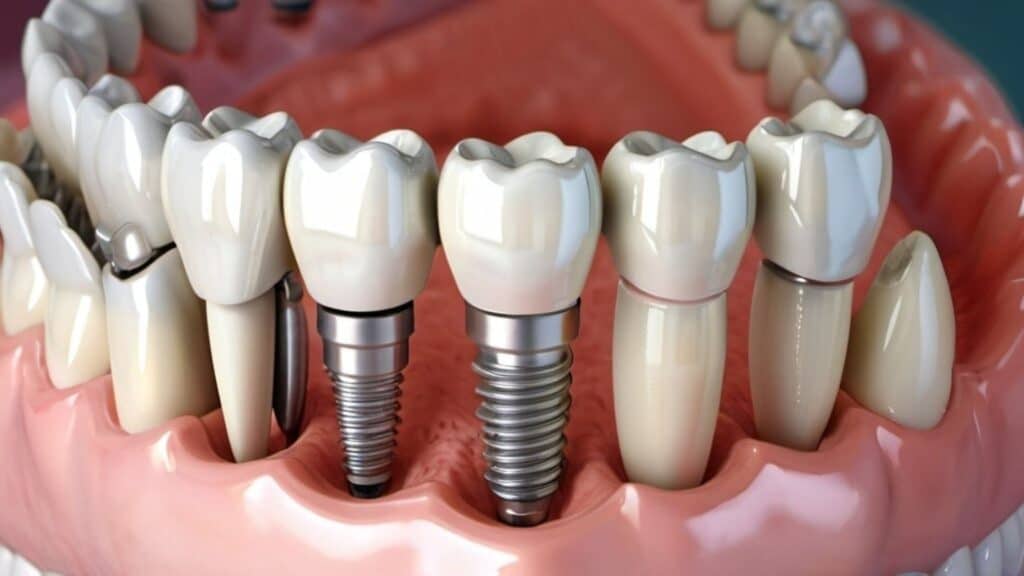
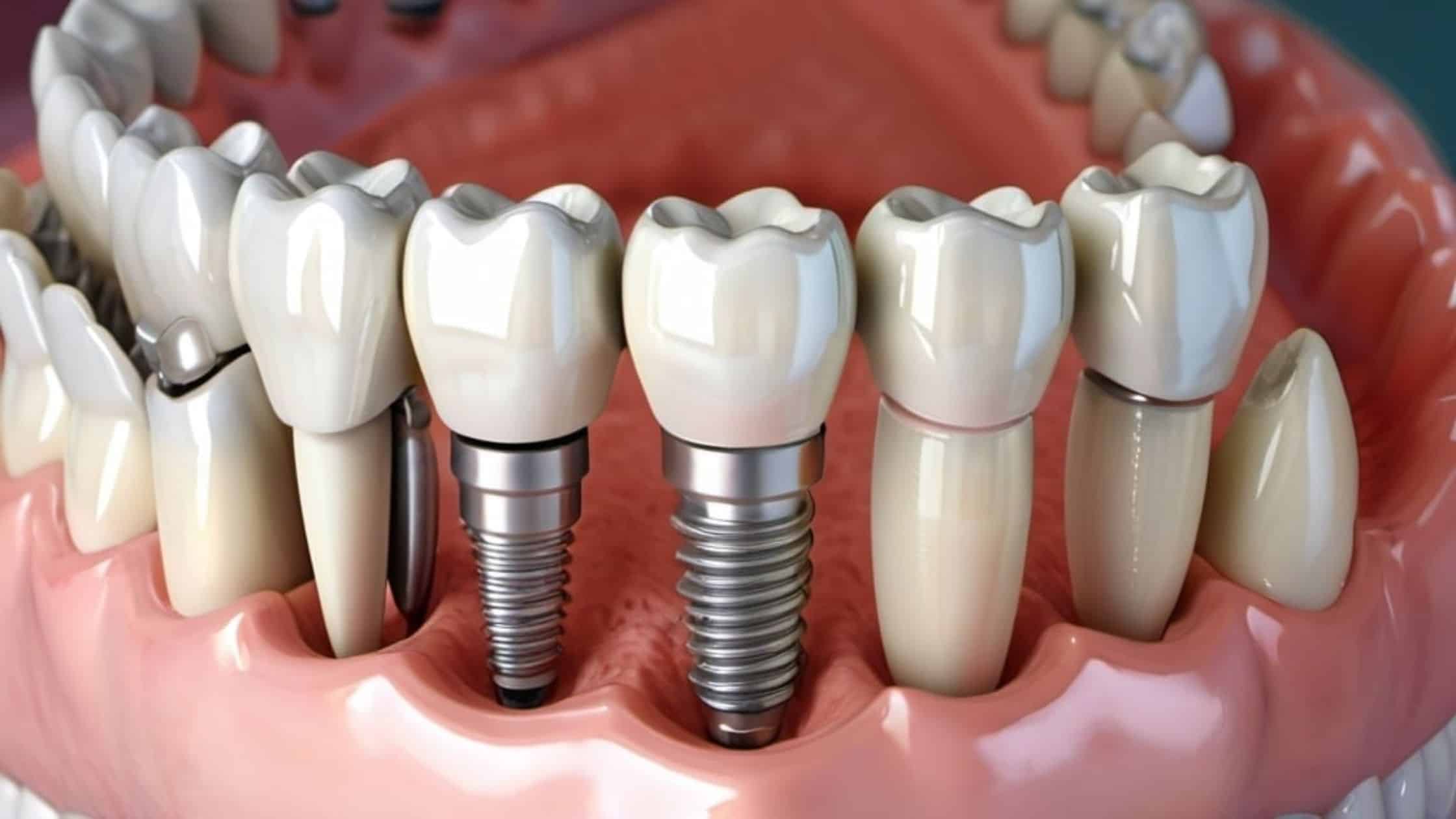
Endosteal implants are the commonly used type of implant. These implants are generally made of titanium and are shaped like small screws or cylinders. They are inserted directly into the jawbone.
The process involves making an incision in the gum and drilling into the jawbone to place the implant. Once the implant is in place, the bone heals around it, making the implant stable. Afterward, a crown is attached using a metal post called an abutment.
Typically, titanium dental implants last up to 10-15 years. If the person practices good oral care, they can make their implants last for a really long time.
-
Subperiosteal Implants
Subperiosteal implants are placed under the gums and rest on top of the jawbone. These are typically recommended for people who have insufficient bone density to hold up an endosteal implant. They are made of a metal framework with extensions that protrude slightly from the gums, which are used to support the crown.
Some patients who opt for subperiosteal implants are also advised to avoid dairy after dental implants to prevent bacterial growth and infections.
-
Mini Dental Implants (MDIs)
Mini dental implants are a compact version of the traditional dental implant. They have a diameter of less than 3 millimeters, about the size of a toothpick. MDIs are often used to stabilize dentures or replace small, single teeth.
These implants are designed to be permanent, similar to traditional implants, but scientific evidence regarding their long-term success is still limited. A recent study showed that mini dental implants last similarly to regular implants over a follow-up period of 3 years.
Factors That Affect How Long Tooth Implants Last?
While dental implants are made to last a lifetime, several factors can influence their longevity. These include the type of implant, the quality of your jawbone, your oral hygiene regimen, and your general health. Here are some factors to consider:
-
Oral Hygiene
Good oral hygiene is important for the success of a dental implant. Failure to properly clean the implant and surrounding area can lead to plaque buildup, which can result in gum disease and bone loss. This can lead to implant failure. Regular brushing, flossing, and dental checkups are essential for maintaining your implants.
-
Bone Quality and Quantity
Dental implants need a strong, healthy jawbone to remain stable. If you have insufficient bone density, the dental implants may not fuse properly with the bone, leading to failure. In some cases, additional processes like bone grafts may be needed before the implant can be placed.
-
Smoking
Smoking has been shown to increase the risk of implant failure. It interferes with blood flow, which is critical for the healing process and osseointegration. Smokers are more likely to experience complications, such as peri-implantitis, which can result in implant loss.
-
Teeth Grinding
Clenching your jaw (bruxism) can place excessive stress on your implants. Grinding your teeth may also lead to the loosening of the implant or fractures in the implant material. If you grind your teeth, your orthodontist may recommend wearing a nightguard to secure your dental implants.
-
Medical Conditions
Specific medical conditions, such as osteoporosis, diabetes, or autoimmune disorders, may influence the success of dental implants. These conditions can affect healing and increase the risk of infection or bone loss around the implant.
-
Age
While age itself is not a direct factor in implant failure, older adults may have other underlying health issues that can complicate the healing process. These issues may include slower healing times, bone loss, and weakened immune systems.
-
An Inexperienced Surgeon
It is essential to have an experienced surgeon place your dental implants. An inexperienced surgeon can be a reason behind implant failure by:
- poorly designed dental implants
- improper placement
- Giving tissue trauma during placement
- attaching a crown before a dental implant is stable
These factors play a direct role in reducing the lifespan of your dental implants. If not taken care of in a timely manner, the implants can become loose or fail completely.
What Happens if a Dental Implant Fails?
In some cases, dental implants may fail despite being properly placed. Implant failure can occur if something interferes with osseointegration or the healing process. Symptoms of a failing implant may include:
- Pain, particularly when chewing or biting
- Implant movement or loosening
- Bleeding, redness, or swelling around the implant site
- Receding gums or pus around the implant
If you experience any of these symptoms, it’s important to consult your dentist or periodontist as soon as possible.
-
Treatment for Failed Implants
If an implant gets loose or fails, it can be removed under local anesthesia. In some cases, a new dental implant can be placed in the same location. However, if there is significant bone loss, additional procedures, such as a bone graft, may be needed before a new implant can be placed. The success rate for replacing a single implant at the same location is around 71%.
Final Thoughts
We have tried to thoroughly answer your questions about how long dental implants last. They generally last for at least 10 to 15 years. Moreover, it is simple to understand that with proper care and oral hygiene, you can retain your implants in the best conditions for a much longer time. With a few simple steps, you can put on a confident smile that makes your appearance radiant in the room.
Pinnacle Dentistry can help you get that desirable smile in Colorado Springs. You can get regular cleaning, maintenance, implants, and pediatric services at our clinic. Our dedicated dentist in Colorado Springs will provide a comfortable environment, ensuring you leave with full satisfaction and a glowing smile.
Call 719-590-7100 to schedule an appointment with Pinncale Dentistry and get ready to have a red-carpet-ready smile for life!