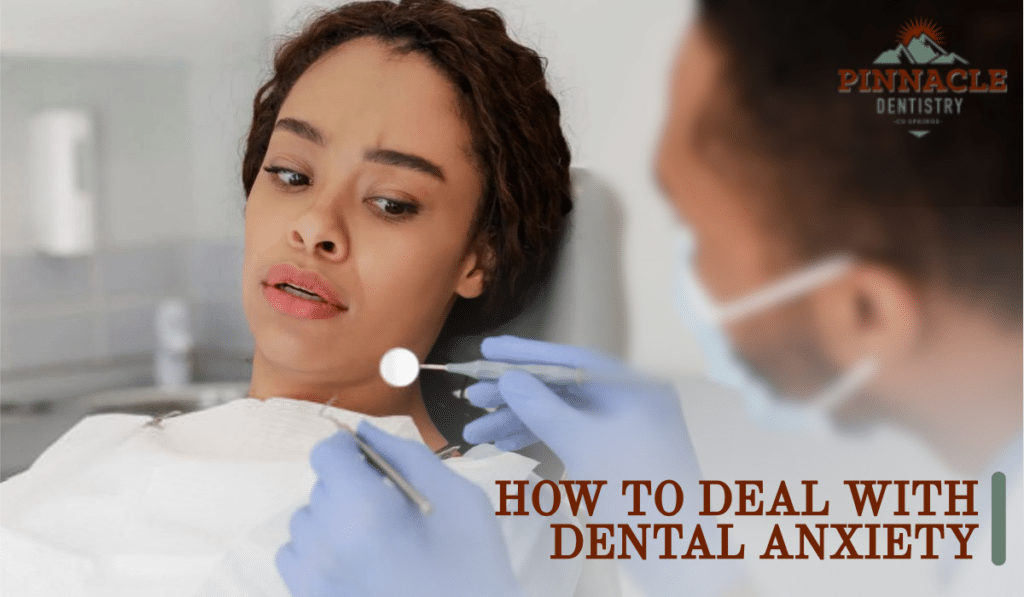

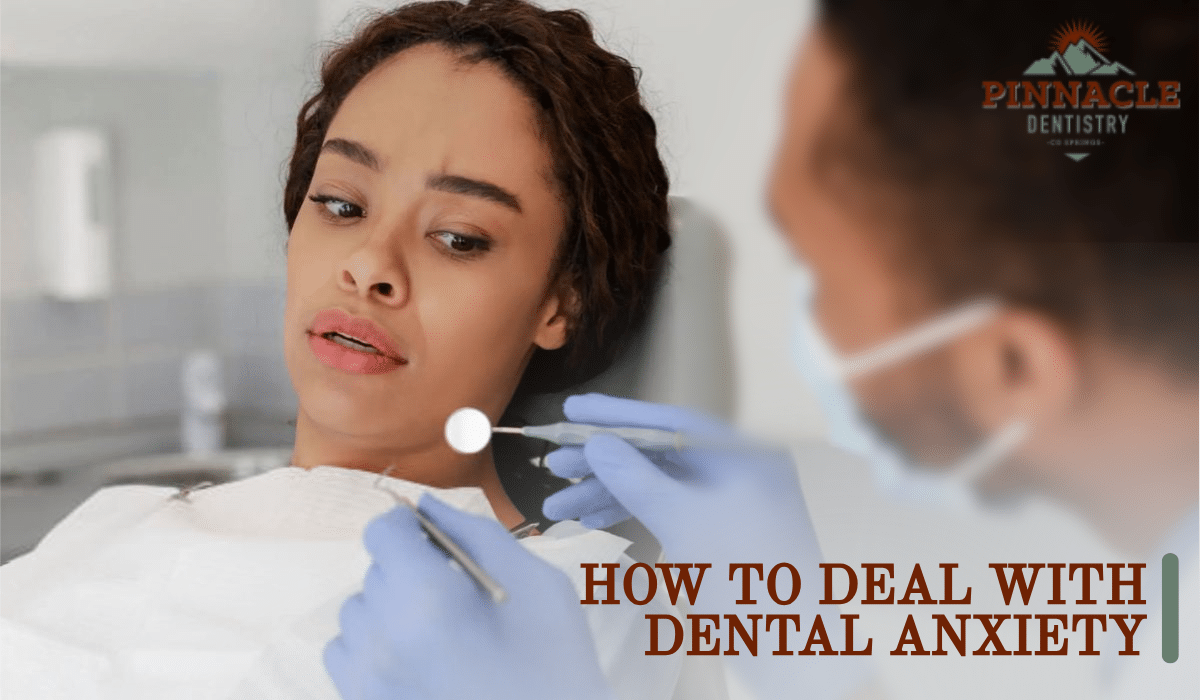
You may be surprised by how many people have dental anxiety. The thought of visiting the dentist can induce stress, fear, or worry in many adults. And that fear tends to increase over time. It has a cascading effect on skipped visits, worse teeth problems, and sudden pain that otherwise would require immediate treatment. The first step in ending that cycle is learning how to manage dental anxiety. It enables you to restore your teeth’s health with confidence and calmness.
Below are some valuable tips for managing dental anxiety. These are techniques that dentists and patients use day in and day out. Its aim is straightforward: to make people feel comfortable entering a dental office.
How to Deal with Dental Anxiety?
Knowing how to deal with dental anxiety begins with understanding why it happens. Dental anxiety doesn’t just emerge out of nowhere. It usually arises from negative experiences and learned behaviour.
Common causes of dental anxiety include:
- Needle, drill, or strange sound phobia
- Feeling embarrassed about teeth problems
- A sense of uncontrollability as the dentist’s chair leans back
- Things that overwhelm your senses, such as bright light or an unpleasant odor
Additionally, some patients perceive dental visits as a reminder of criticism or authority. Even after dentistry has changed, that can continue for years. Patients take proactive measures to reduce their anxiety after learning what triggers it. Dentists with patient care training know that comfort is just as important as dental repair.
What Are Tips for Overcoming Dental Anxiety?
Dental anxiety requires minimal steps that are practically achievable to make patients feel more at ease and in control during their visits. Addressing fears about the unknown and learning what to expect, as well as selecting a supportive dental team, can help build trust through clear communication. Using effective coping strategies reduces stress during dental visits, making it easier for patients to attend regularly and maintain their oral health over the long term.
1. Acknowledge the Fear
The first step to overcoming dental anxiety is to acknowledge it. Normalizing fear allows patients to be honest about their experience during a comprehensive dental exam rather than pretending it doesn’t exist. Accepting the fear helps shift from a mindset of dread to one of power. That paves the way for effective coping.
2. Communicate Openly with Your Dentist
It is important to speak candidly with your dentist. Patients should also disclose their experience, what bothers them, and any concerns before treatment. Establishing a hand signal to pause or stop provides a sense of control. By providing details for each stage, you demystify the visit and reduce unpredictability.
3. Schedule Strategically
Appointing a schedule makes a significant difference in how anxious you are. Choose a calm day and time when you have good energy and the clinic is not crowded, so patients feel more relaxed. Regular, more brief visits also help prevent anxiety from accumulating. They allow the patient to visit the dental clinic.
4. Practice Relaxation Techniques
You can practice relaxation exercises to help ease dental anxiety. Take some deep breaths. Breathing deeply relaxes the nervous system. Mentally picturing scenes at the ocean or elsewhere, or simply listening to music, can help shift your focus away from your dental work. Contracting and relaxing muscles before and during a visit helps relieve tension, so you feel better.
5. Consider Comfort Options
For these patients who have a lot of anxiety, I offer sedation dentistry. Nitrous oxide, sometimes called laughing gas, helps keep patients calm while they remain awake. Oral sedation and local anesthetics help minimize pain during the procedure. Talking about their options in advance can give patients a sense of control and reassurance when they arrive for their visit.
6. Bring a Support Person
Many patients also feel more comfortable attending their appointment with a trusted friend or loved one. Plus, support keeps the children connected to what their closest keeper or parent is doing and can offer both emotional support and a way of managing anxiety so it does not feel too big. This sense of presence also helps make a visit to a dental clinic more comfortable.
7. Build Positive Associations
Conquering your fear of the dentist becomes easier with each appointment. Treating yourself after appointments and focusing on the positive between visits, including healthier teeth, less pain, emergency prevention, and more, can help change fear into a feeling of triumph. Positive associations slowly weaken anxiety through subsequent positive experiences.
8. Start with Preventive Care
Preventive care is key to minimizing anxiety. Routine cleanings and check-ups prevent complex procedures that can cause fear. It helps build trust when you have regular preventive visits and know the team. This makes future appointments feel predictable and easier to handle.
9. Use Distraction Tools During Visits
It’s also helpful to distract yourself while getting dental work. Listening to music or podcasts, guided meditation, and other activities help maintain focus during treatment. Some dental offices provide headphones or soothing videos to help anxious patients remain relaxed and engaged.
10. Seek Professional Support if Needed
Professionals can make a world of difference for highly anxious patients. Counseling, cognitive-behavioral therapy, or specialized phobia treatment can help patients develop anxiety coping methods. A combination of professional therapy and patient-centered dental care is often the most effective way to relieve dental phobia.
Address Emergency Dental Situations Before It’s Too Late
Minor dental issues can escalate into emergencies directly related to periodontal disease, because even those with minor cases choose to put off dentist visits due to being nervous or fearful. What seem like minor problems, such as cavities, gum irritation, or tiny cracks, may not improve on their own. This may cause pain, infections, or abscesses. Many patients in Colorado Springs need emergency dental care, but don’t seek it because they are too afraid to receive immediate treatment.
Emergent dental visits suck because the pain is already there. Patients are often too rushed and intimidated. Considerate dental staff focus on rapid relief and patient comfort. They ensure the practices are clearly explained and conducted calmly.
Key points to understand:
- Untreated dental problems can become urgent when fear prevents care.
- Visits to the emergency department, by their very nature, are anxiety-laden experiences due to pain and emotive stress.
- Dental teams that focus on anxiety reassure and comfort patients during emergencies.
- Addressing dental fear early helps prevent emergency treatment.
- Early intervention with regular care diminishes pain, stress, and treatment complexity.
Addressing dental anxiety before it causes larger problems can save patients from these painful situations. Knowing what’s behind anxiety and how to manage it can halt crises before they have the chance to take hold. This allows the emergency dental care in Colorado Springs to be predictable and controllable.
Conclusion
Dental anxiety does not have to control the dental experience. Knowing how to navigate your dental fears successfully allows you to retake control, safeguard your teeth, and come in with confidence rather than fear. With current techniques, gentle communication, and comfort care dentistry, even the most phobic patients can feel relaxed.
Pinnacle Dentistry stands above the competition by offering superior dental care with genuine compassion! The staff listens, explains, and moves at a pace. Each appointment is designed to be a calm, unrushed, supportive visit; not a scary one.
To schedule an appointment, discuss treatment options, or learn about anxiety-friendly options, patients in Colorado Springs who want confident dental care should call us.