
Minor tooth damage shows up quietly. A small chip after biting ice. A crack you feel with your tongue. A worn edge that changes how your smile looks in photos. For patients weighing fast cosmetic fixes against long-term durability, the choice often comes down to dental bonding or a traditional filling. This decision matters because lifestyle, bite forces, and appearance goals all play a role.
For patients researching dental bonding in Colorado Springs, the real question is not which option is better in general. Which one fits the tooth, the damage, and the long-term plan for that smile? We will explain both options clearly so patients can make an informed choice.
What Is Dental Bonding?
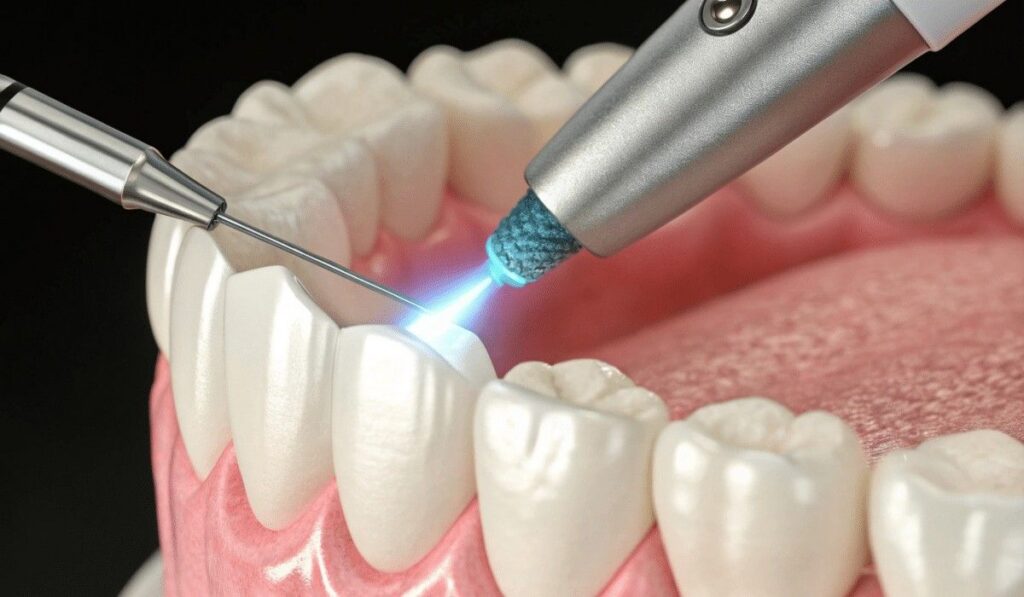
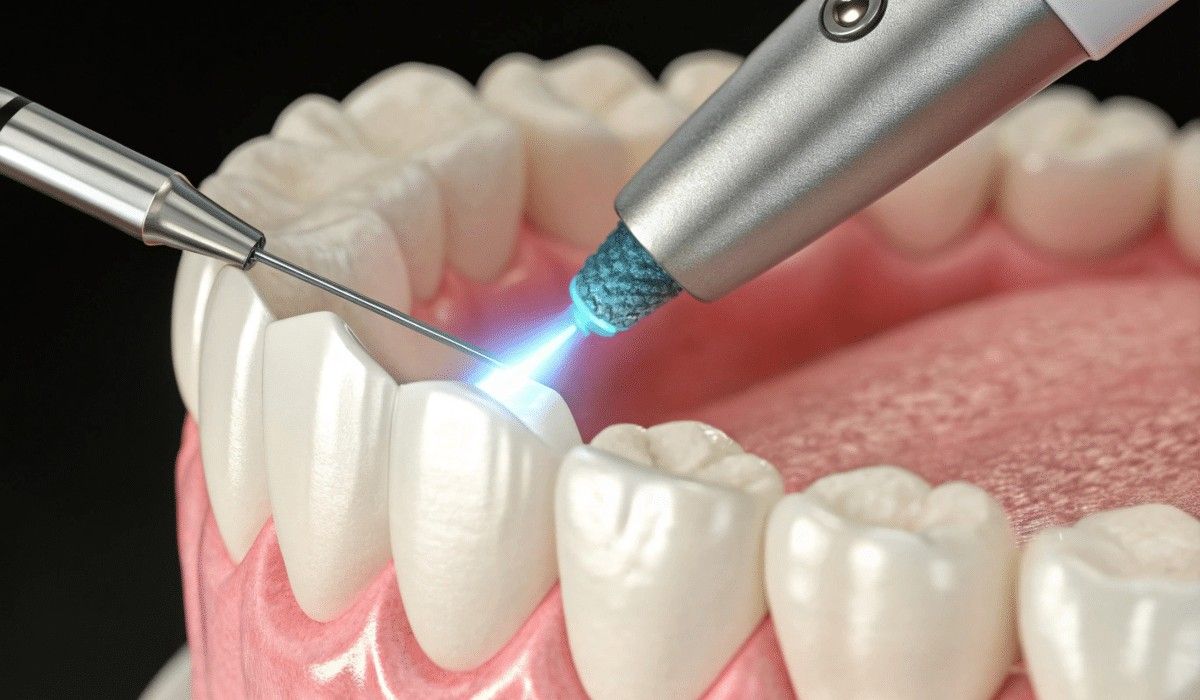
Dental bonding involves a tooth-colored composite resin applied directly to the enamel. The dentist shapes it, hardens it with a curing light, and polishes it to blend naturally with surrounding teeth. This is one of the most conservative cosmetic dental treatments available. Very little enamel is removed. In many cases, none at all.
Bonding works best for:
- Small chips or cracks
- Slight gaps between teeth
- Minor discoloration
- Short or uneven tooth edges
- Cosmetic reshaping of front teeth
Because bonding focuses on appearance and surface repair, it is commonly used on visible teeth. Patients looking into cosmetic dental bonding in Colorado Springs often prioritize natural aesthetics and speed. Dental bonding can be completed in a single visit. That matters for patients who want immediate improvement without multiple appointments.
What Are Dental Fillings?
Dental fillings restore teeth damaged by decay or structural loss. While bonding and fillings use similar composite materials today, their purposes differ.
A filling:
- Removes decay or damaged structure
- Restores chewing strength
- Prevents bacteria from spreading
Fillings focus first on function, then appearance. Modern composite fillings are tooth-colored and blend well, but durability is the top priority.
Fillings are better suited for:
- Cavities
- Structural damage from decay
- Chewing surfaces under pressure
- Back teeth that handle strong bite forces
Unlike bonding, fillings usually require removing some enamel to eliminate decay and shape the tooth for proper retention.
Detailed Comparison: Dental Bonding vs Dental Fillings
Patients comparing bonding and fillings often focus on speed, appearance, and durability. Dental bonding solutions are ideal for surface-level damage where enamel preservation and cosmetic results are most important.
| Aspect | Dental Bonding | Dental Fillings |
| Primary purpose | Cosmetic repair for minor surface damage | Structural repair for decayed or weakened teeth |
| Type of damage treated | Chips, small cracks, gaps, and shape imperfections | Cavities, decay, fractured, or worn tooth structure |
| Enamel removal | Little | Required to remove decay and shape the tooth |
| Material used | Tooth-colored composite resin | Composite resin or other restorative materials |
| Procedure time | Completed in one short visit | Usually, one visit may take longer, depending on the decay |
| Aesthetic control | High level of sculpting and color customization | Natural appearance, but less cosmetic flexibility |
| Strength under bite pressure | Moderate, best for low-stress areas | High, designed for chewing forces |
| Ideal tooth location | Front teeth and visible smile area | Back teeth and high-pressure chewing surfaces |
| Resistance to staining | More prone to staining over time | Better resistance to discoloration |
| Future treatment flexibility | Easily adjusted or replaced | More permanent restoration |
| Best for patients who want | Fast cosmetic improvement with minimal alteration | Long-term durability and structural protection |
Longevity and Maintenance Expectations of Dental Bonding & Fillings
Bonding and fillings do not age the same way. Each option has a different lifespan and care requirement.
Dental bonding typically lasts:
- Several years with proper daily care
- Less time if exposed to heavy biting or teeth grinding
Bonding material can stain over time from coffee, tea, or tobacco use. Routine polishing helps maintain appearance, but replacement may be needed sooner than other restorations.
Dental fillings usually last:
- Many years with consistent oral hygiene
- Even longer when chewing forces are well-balanced
Composite fillings resist staining better and hold up under daily chewing pressure more reliably. Understanding how long each treatment lasts helps set realistic expectations and supports better long-term decisions.
Final Thoughts!
Choosing between dental bonding in Colorado Springs, CO, and dental fillings depends on purpose, not preference. Tooth repair treatments, such as dental bonding, are an excellent solution for minor cosmetic damage where speed and aesthetics matter. Fillings deliver strength and longevity when structure is compromised.
For patients seeking personalized dental services in Colorado Springs, Pinnacle Dentistry offers thorough evaluations, natural-looking results, and treatment plans tailored to long-term oral health. Book a dental evaluation for dental bonding in Colorado Springs by calling or submitting an online form. Our team focuses on preserving natural teeth, respecting patient goals, and delivering lasting results.