
What a Temporary Crown Does
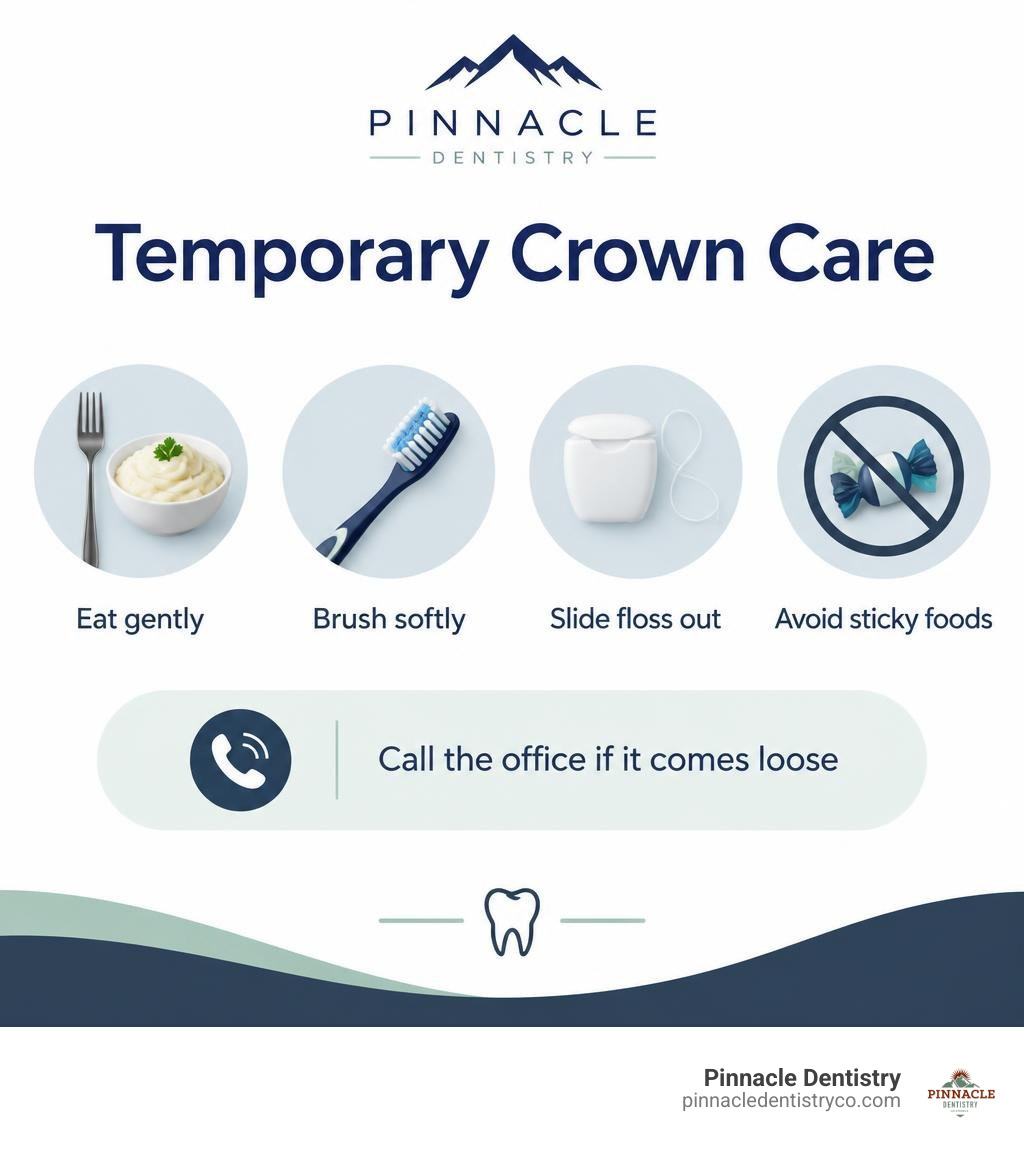
Temporary dental crown care helps protect a prepared tooth while the dental team completes your permanent restoration. Your dentist may ask you to wait before eating, choose softer foods, avoid sticky or hard foods, brush gently, and slide floss out from the side instead of lifting it upward. Chewing on the other side can help reduce pressure on the temporary crown. If the crown feels loose, comes off, causes worsening discomfort, or makes your bite feel uneven, see your dentist.
I am Dr. Thomas Jennings, DDS, MAGD, a Colorado Springs, CO dentist with over 35 years of experience. This guide explains practical temporary crown care after a visit, including eating, brushing, flossing, and knowing when to call the office. It is general guidance from a local general and family dental practice, not a substitute for an examination or instructions from your own dentist.
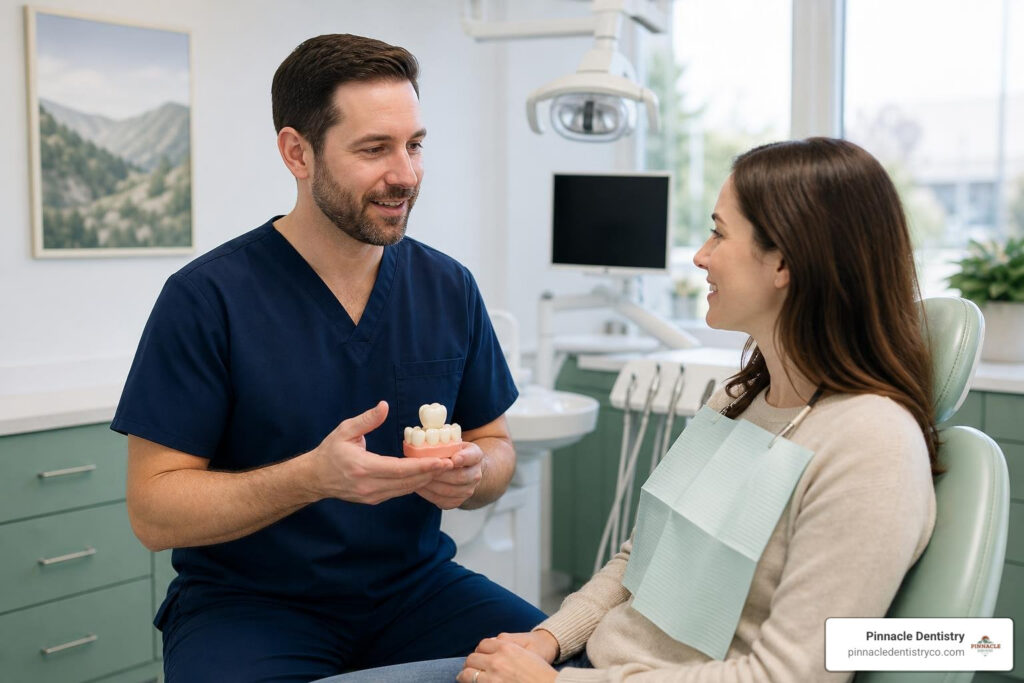
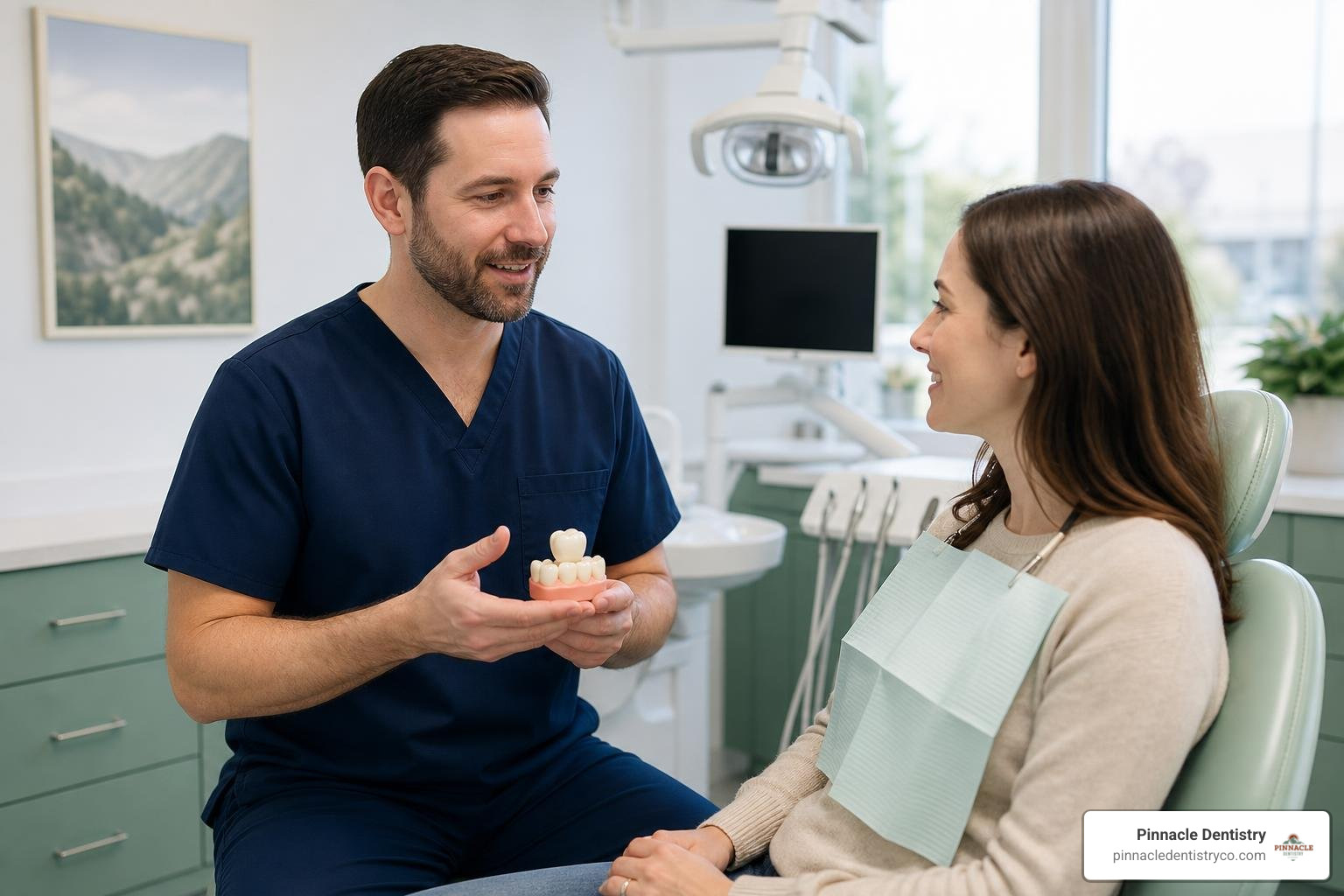
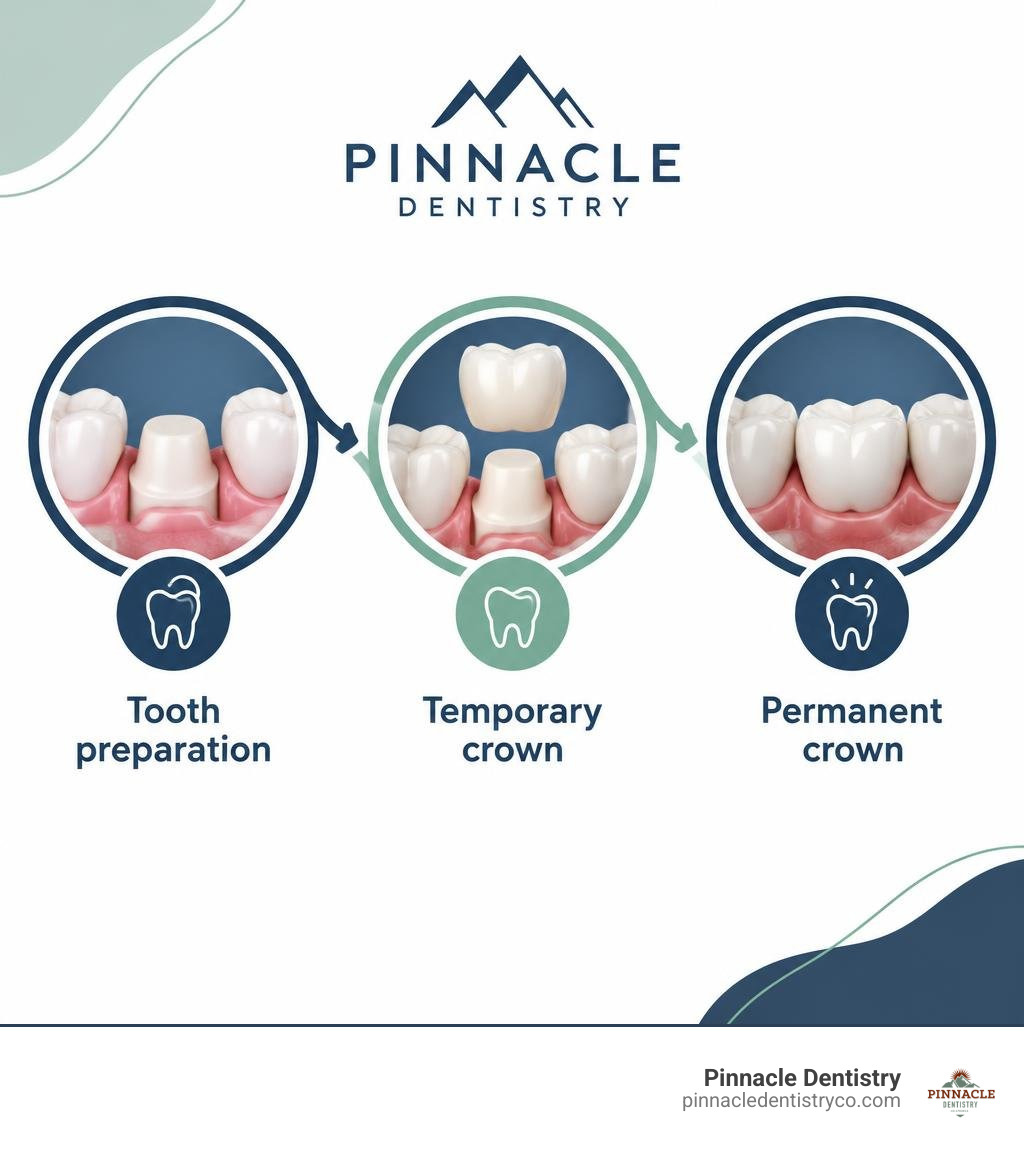
A temporary crown is a short-term covering placed over a tooth that has been prepared for a permanent crown. It helps protect the tooth, maintain space around it, and support normal speaking and chewing while you wait for the next visit. The temporary is worn until the permanent crown is ready, so it is important to keep the appointment your dentist recommends. For an overview of how dental crowns fit into treatment, your dental team can explain the plan for your individual tooth.
A temporary crown is made from a less durable material than the permanent restoration and is held in place with temporary cement so your dentist can remove it when needed. That means everyday habits matter, especially around meals and oral hygiene. Your dentist’s instructions should always guide your care, because the right next step can depend on the tooth and the work being completed.
What Is a Provisional Cap and Why Is It Necessary?
When a tooth needs a permanent crown, the dentist carefully shapes it so the final restoration can fit. A provisional crown covers that prepared tooth between visits. It is intended to help shield the area, preserve the space around the tooth, and make day-to-day activities more comfortable while the final crown is being prepared. Your dentist can explain why a temporary crown is recommended for your specific treatment.
A temporary crown can help keep food away from the prepared tooth and support the shape of the surrounding gum tissue. It can also help prevent nearby teeth from moving into the space before the permanent crown is placed. Because the temporary material is less durable, it can loosen or crack if it is exposed to strong pulling or biting forces. Calling the office when something feels different is the safest way to protect your treatment plan.
Why Temporary Material and Cement Matter
Temporary crowns are made from a less durable material than permanent crowns and are held in place with temporary cement. The cement is designed so the dentist can remove the temporary crown without unnecessary difficulty at a later visit. That design makes careful eating and gentle cleaning important during this phase. Your dentist will let you know when the permanent crown is ready and what to expect at that appointment.
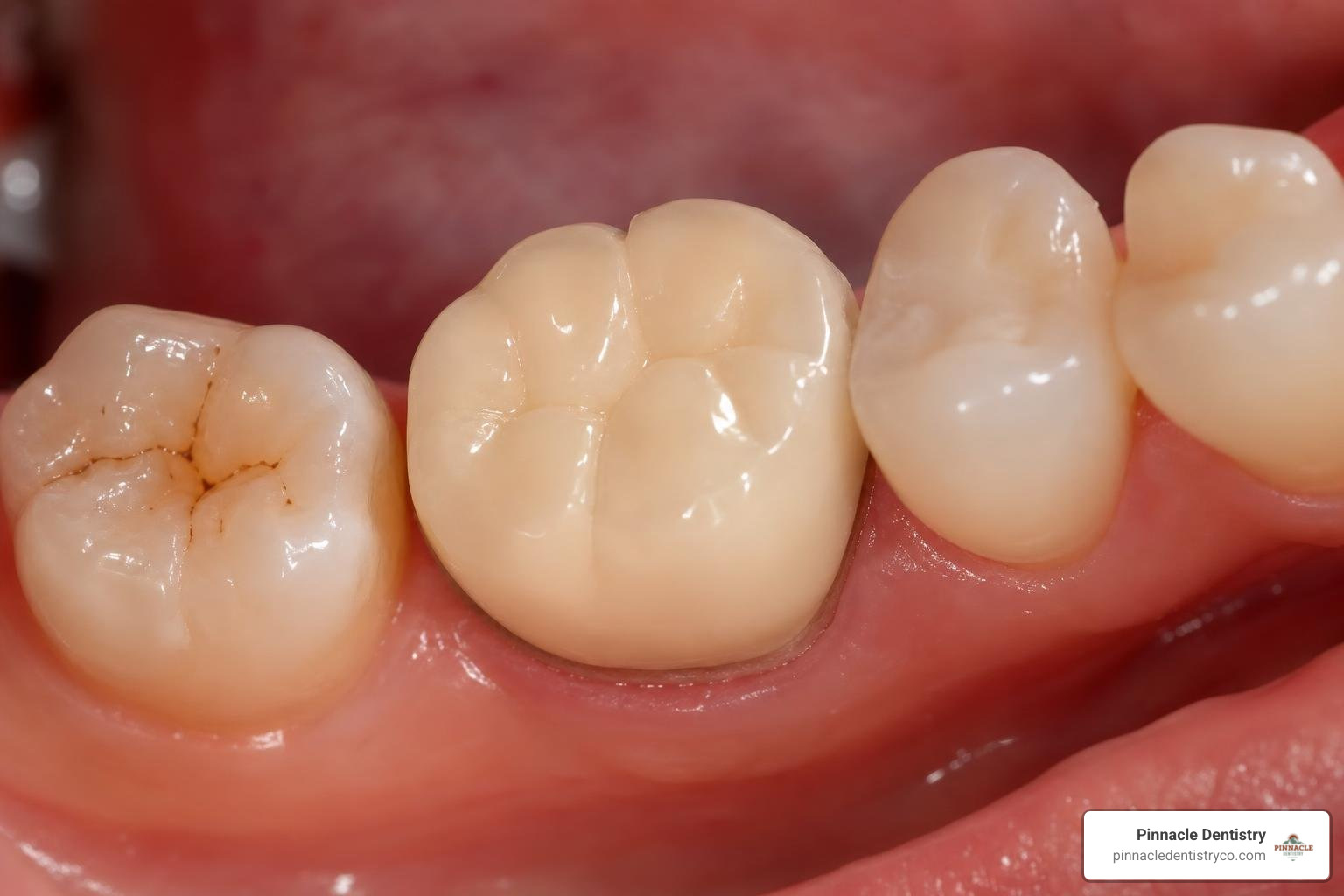
A temporary crown may feel a little different from the final restoration in its shape, edges, or smoothness because it is designed to protect the prepared tooth while the permanent crown is being completed. It may feel more noticeable when your tongue moves across it or when your cheek rests against it. If an edge catches your tongue or cheek, or if the crown feels unusually rough, mention it at your next visit so the dentist can evaluate it.
What to Expect Before Your Permanent Crown
The timing of the next visit depends on your treatment plan and the work being completed for your tooth. Keep your planned appointment, and contact the office if the temporary crown comes loose or if you have questions before then. For more information about protecting your crown, speak with a dentist who can review your individual needs. Routine care during this interval supports the larger goals of restorative dentistry.
At your next visit, the dentist removes the temporary crown, cleans the prepared tooth, and carefully evaluates the permanent crown before placing it. The dentist checks the fit along the tooth and gumline, confirms that the bite feels comfortable when the teeth come together, and reviews the color, shape, and overall appearance so the restoration blends naturally with your smile and supports normal speaking and chewing. When those details are acceptable, the dentist bonds or cements the permanent crown in place and explains how to care for it in the same thoughtful way you care for your natural teeth. MedlinePlus notes that a new crown may feel unfamiliar as you return to regular meals and oral hygiene, so contact the office if it feels uncomfortable, interferes with your bite, or raises questions after the visit.
Essential Rules for Temporary Dental Crown Care
Temporary dental crown care is mostly about protecting the crown from forces that could pull it loose or damage it. Follow the instructions your dentist gives you before eating, brush carefully around the area, and choose foods that are easier on the temporary crown. If you are unsure whether a food or habit is appropriate, see your dentist for guidance. These simple precautions can help you avoid an unexpected problem before the next visit.
Foods and Drinks to Avoid During the Transition
MedlinePlus advises people with a temporary crown to avoid sticky foods such as gummy bears, caramels, bagels, nutrition bars, and gum, and to try chewing on the other side of the mouth. Its dental crowns guide also explains that lifting floss upward can pull a temporary crown off. Foods that require heavy biting or pulling can create problems, so choose meals that feel comfortable and do not tug on the crown. If a food causes discomfort or the crown feels unstable, stop and call the office.
Common items to avoid include:
- Sticky foods: Gum, caramel, chewy candy, and nutrition bars can pull on a temporary crown.
- Hard foods: Ice, hard candy, nuts, and crusty bread can put extra pressure on the temporary material.
- Tough foods: Foods that require forceful chewing can make a temporary crown feel loose or uncomfortable.
- Frequent sugary drinks: Limiting drinks with added sugar supports good daily oral care while you are waiting for your next visit.
Practical meal choices can make wearing a temporary crown more comfortable. Choose softer foods when possible, cut firmer foods into smaller pieces, and chew on the other side of your mouth to reduce pressure on the crown. Rinsing gently with water after meals can help clear food from around the area and support your usual oral hygiene routine.
Brushing and Flossing Around a Temporary Crown
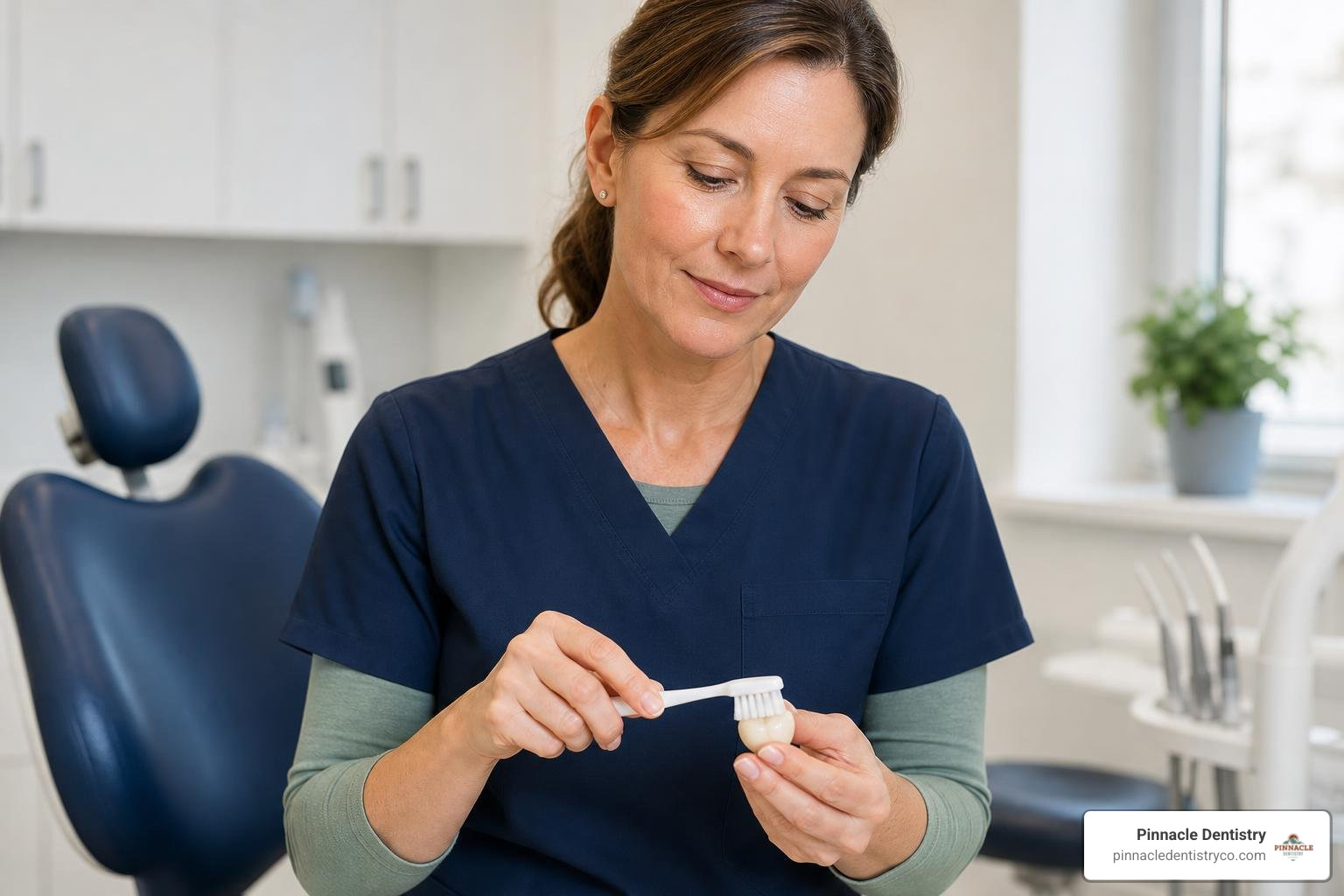
Keep brushing gently around the temporary crown and along the gumline. The CDC advises adults to brush well with fluoride toothpaste, floss between teeth to remove plaque, and avoid food and drinks with added sugar as much as possible in its oral health tips. Use a soft toothbrush and avoid aggressive scrubbing around the temporary crown. Good daily cleaning is part of ongoing preventive care, especially while your dentist is completing restorative treatment.
When flossing, guide the floss between the teeth, clean gently, then release one side and slide it out rather than lifting it straight up. MedlinePlus notes that lifting floss upward can pull a temporary crown off. Do not force floss through a tight contact or keep pulling if the crown moves. Call the office if flossing feels difficult or the crown becomes loose.
Managing Discomfort and Sensitivity During Recovery
Some tenderness or sensitivity after a crown visit can happen as the tooth and gum tissue adjust. This article cannot determine what is causing discomfort, so changes in symptoms should be discussed with your dentist. Gentle cleaning, avoiding pressure on the temporary crown, and following your post-visit instructions are appropriate steps while you wait to speak with the office. If discomfort gets worse or does not improve, see your dentist.
When Sensitivity or Soreness Needs a Call
MedlinePlus notes that sensitivity to heat or cold after a permanent crown may go away over time. If sensitivity or soreness after your visit is getting worse, does not improve, or affects your ability to bite comfortably, call the office for advice. Swelling, fever, or trauma needs prompt attention, so call the office or go to the ER. A dental professional can review the tooth and determine the appropriate next step.
Troubleshooting a High Bite or Uneven Pressure
Your teeth should feel as though they come together comfortably when you close your mouth. If the temporary crown touches before the other teeth or your bite feels uneven, do not try to adjust it yourself. Avoid chewing on that side and contact the office so your dentist can assess the bite. A quick conversation with the practice can help determine whether you need to be seen sooner.
What to Do If Your Crown Becomes Loose or Falls Off
A temporary crown can loosen or come off before your next appointment. Staying calm and protecting the area can help until the dental office can advise you. Do not try to repair the crown yourself or use household glue. Call the office promptly so the team can tell you whether you need to be seen.
If Your Temporary Crown Comes Off
If the crown comes off, remove it from your mouth and place it in a clean container to bring to your visit. Keep the area clean with gentle brushing, and avoid chewing on that side. Do not use household glue or try to attach the crown with products from home. Contact the office promptly for instructions based on your situation.
When to Call the Office
Call the office if the temporary crown cracks, breaks, is lost, or does not stay in place. You should also call if pain is worsening, your bite feels uneven, or the tooth and surrounding gums seem more irritated. Swelling, fever, or trauma needs prompt attention, so call the office or go to the ER. For concerns that need timely dental attention, learn more about emergency dental care.
The dental team can check the tooth, examine the temporary crown, and explain the next appropriate step. Bringing the crown with you can be helpful if it is intact. Avoid chewing on the exposed side until you have spoken with the office. Temporary crown care is safest when changes are reviewed by a dentist rather than managed with a home repair.
Frequently Asked Questions About Temporary Dental Crowns
When can I eat after getting a temporary crown?
Follow the eating instructions your dentist gives you after the visit. Wait until numbness has worn off before chewing so you are less likely to bite your cheek or tongue, and choose foods that will not pull on the temporary crown.
Can I chew gum with a temporary dental crown?
It is best to avoid chewing gum while you have a temporary crown. Gum and other sticky foods can pull on the crown and may make it come loose.
Why is my temporary dental crown sensitive to cold air and drinks?
A prepared tooth may feel sensitive to cold air or drinks while it is covered by a temporary crown. If sensitivity gets worse, does not improve, or makes it hard to eat or drink, call the office.
What should I do if I accidentally swallow my temporary crown?
Call the office for guidance after losing the crown. If you have coughing, trouble breathing, or chest discomfort, get medical care right away.
Can I use dental floss around my temporary dental crown?
Yes, flossing can still be part of your daily routine when done gently. Slide the floss out through the side instead of lifting it upward, and call the office if the crown moves.
Why does my temporary crown look different from my natural teeth?
Temporary crowns are designed to cover and protect the prepared tooth while you wait for the permanent restoration. They may not match the color, shape, or shine of your natural teeth as closely as the final crown.
What happens if I leave a temporary crown on too long?
A temporary crown is not designed to last indefinitely. Keep the appointment for your permanent crown, and call the office if you need to discuss a change in your schedule.
Is it normal for my gums to feel sore around a temporary crown?
Mild soreness around the gumline can happen after dental treatment. Call the office if it gets worse, does not improve, or is accompanied by swelling or fever.
Can I brush my teeth normally with an electric toothbrush?
You can usually continue brushing with an electric toothbrush if your dentist has not told you otherwise. Use gentle pressure around the temporary crown, and avoid pressing the brush head forcefully against its edges.
Can a temporary crown be recemented if it comes off intact?
A dentist can examine an intact temporary crown and decide whether it can be placed back on the tooth. Keep it in a clean container, avoid chewing on that side, and call the office promptly.
Questions About Your Temporary Crown?
Temporary dental crown care can feel easier when you know which habits protect the crown and which changes need a call to the office. Follow your dentist’s instructions about eating, brush and floss gently, chew on the other side when appropriate, and avoid sticky or hard foods that could pull on the temporary crown. If you notice a loose crown, an uneven bite, worsening discomfort, swelling, fever, or trauma, see your dentist or seek emergency care as appropriate.
Pinnacle Dentistry has served patients in Colorado Springs, CO since 1989. Dr. Thomas Jennings is a Master of the Academy of General Dentistry (MAGD). If you have questions about a temporary crown or need to schedule a visit, contact our office.
Pinnacle Dentistry, 2430 Research Pkwy Suite 200, Colorado Springs, CO 80920, (719) 590-7100