
Are Ultrasonic Teeth Cleaning Side Effects Something You Should Worry About?
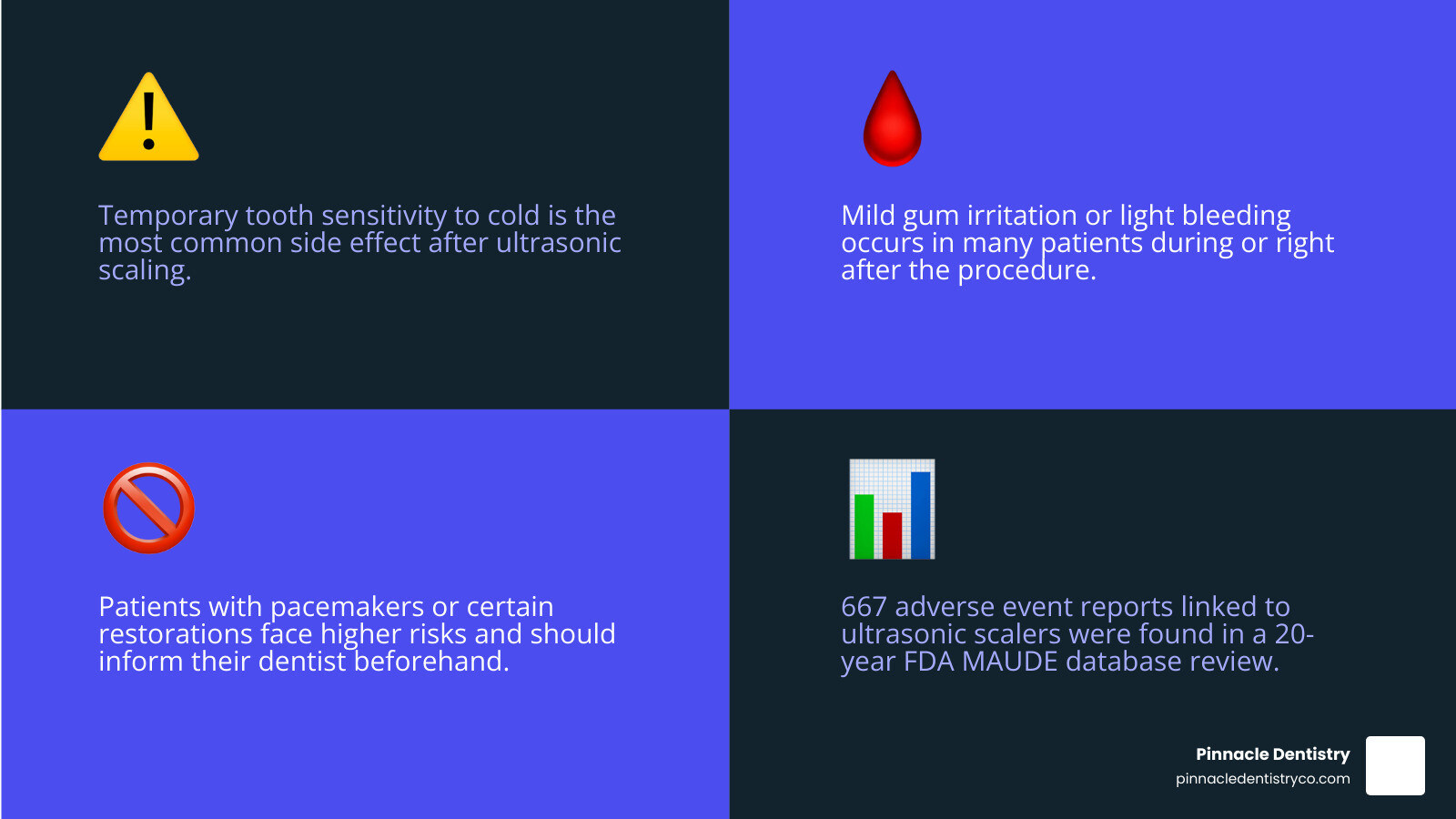
Ultrasonic teeth cleaning side effects are real, but for most healthy patients, they are mild and short-lived. Here is a quick overview before we dive deeper:
Most common side effects (professional cleaning):
- Temporary tooth sensitivity, especially to cold
- Mild gum irritation or tenderness
- Light bleeding during or after the procedure
- Brief discomfort from the sound and vibration
Who faces higher risk:
- Patients with cardiac pacemakers
- People with significant gum recession or exposed roots
- Patients with certain dental restorations (crowns, veneers, composites)
- Those with respiratory conditions (due to aerosol exposure)
Bottom line: When performed by a trained dental professional, ultrasonic cleaning is safe and effective for most people. The serious risks are rare, and many can be avoided with a simple medical history review before your appointment.
That said, “rare” does not mean “impossible.” A review of the FDA’s MAUDE database found 667 adverse event reports linked to ultrasonic scalers over a 20-year period, including cases of thermal injury, hearing loss, and tip separation. That context matters, and it is worth understanding the full picture before your next cleaning.
Whether you have sensitive teeth, existing dental work, or a medical condition, knowing what to expect helps you make informed decisions and have a better conversation with your dentist.
I am Dr. Thomas Jennings, DDS, MAGD, founder of Pinnacle Dentistry in Colorado Springs, CO, with over 35 years of experience evaluating ultrasonic teeth cleaning side effects and helping patients determine the safest, most effective cleaning approach for their specific needs. In the sections below, I will walk you through everything you need to know, from how the technology works to when it may not be the right choice.
What is Ultrasonic Teeth Cleaning and How Does It Work?
To understand why certain side effects occur, we first need to look at how this technology operates. Ultrasonic teeth cleaning relies on an advanced dental instrument known as an ultrasonic scaler. Unlike traditional hand tools that require manual scraping, this device uses high-frequency vibrations to clean your teeth.
The tip of an ultrasonic scaler vibrates at an incredibly rapid rate, typically between 20,000 and 45,000 cycles per second. These rapid vibrations effortlessly shatter hardened calculus (tartar) and disrupt sticky plaque biofilms on the surfaces of your teeth.
At the same time, a continuous stream of water flows through the tip of the device. This water serves two vital purposes: it cools the rapidly vibrating metal tip to prevent overheating, and it creates a phenomenon known as cavitation. As the water meets the high-frequency vibrations, it forms millions of microscopic cavitation bubbles. When these bubbles implode, they release tiny shockwaves that physically destroy bacterial cell walls and flush away debris from deep within the periodontal pockets.
To help you understand how this modern approach compares to the traditional scraping method, we have broken down the primary differences:
| Feature | Ultrasonic Scaling | Manual Scaling |
|---|---|---|
| Primary Mechanism | High-frequency acoustic vibrations and water cavitation | Physical scraping with hand-held steel curettes |
| Average Treatment Time | Approximately 30 minutes | Up to 2 hours for severe tartar buildup |
| Enamel Impact | Extremely gentle; lower risk of scratching when used properly | Higher risk of manual gouging or scratching if too much pressure is applied |
| Deep Pocket Reach | Microscopic tips and water spray reach deep subgingival areas | Limited by the physical size and angle of the hand instrument |
| Patient Comfort | Generally preferred, though the high-pitched sound can be annoying | Can feel like “nails on a chalkboard” for sensitive patients |
While manual scaling remains an invaluable technique for fine-tuning, ultrasonic scaling has revolutionized preventative dentistry. If you want to know what to expect during your next visit, you can read more about what to expect during a dental cleaning checkup at our comfortable office in Colorado Springs, CO.
Understanding Ultrasonic Teeth Cleaning Side Effects and Risks
While the efficiency of this technology is undeniable, it is important to recognize that putting high-frequency acoustic energy into the oral cavity carries inherent risks. When we evaluate ultrasonic teeth cleaning side effects, we look at how these vibrations, thermal energy, and water sprays interact with your natural oral tissues.

For the vast majority of patients, the physical benefits of removing calculus far outweigh the temporary discomforts. However, the mechanical forces can occasionally lead to tooth sensitivity, mild enamel wear if the tip is misapplied, and temporary gum inflammation.
Furthermore, because the scaler operates at such high speeds, it generates frictional heat. If the water cooling system fails or if the practitioner holds the tip in one spot for too long, there is a risk of thermal damage to the dental pulp, which is the living nerve inside your tooth. The rapid vibrations can also cause physical discomfort, particularly for patients who already suffer from generalized dental anxiety.
According to a comprehensive 20-year retrospective analysis of the FDA’s MAUDE database, researchers identified specific adverse events associated with ultrasonic scalers that highlight the importance of professional vigilance. While the vast majority of these reports involved equipment malfunctions rather than direct patient injuries, they serve as a crucial reminder that these are powerful medical devices requiring expert handling.
How Mechanical Vibrations and Cavitation Affect Oral Tissues
To appreciate why certain side effects occur, we must look at the physiological response of your oral tissues. The high-frequency acoustic energy produced by the scaler tip creates physical waves that travel through the tooth structure. While this energy is highly effective at shattering rigid tartar deposits, it also stimulates the fluid within the microscopic channels of your teeth, known as dentinal tubules. This fluid movement can temporarily irritate the nerve endings, leading to post-treatment sensitivity.
Additionally, the process of cavitation, while excellent for destroying bacterial cell walls, involves the rapid collapse of millions of microscopic bubbles. This collapse releases localized shockwaves. In areas where the gum tissue is already inflamed due to plaque accumulation, these shockwaves and the physical contact of the vibrating tip can cause minor, temporary trauma to the delicate sulcular epithelium, resulting in mild soreness and light bleeding.
Common Ultrasonic Teeth Cleaning Side Effects to Expect
If you are scheduled for a professional cleaning, it is completely normal to experience a few mild, temporary side effects. These are typical physiological responses to the deep cleaning process:
- Mild Tooth Sensitivity: Your teeth may feel slightly sensitive to hot or cold temperatures for a couple of days. This happens because removing thick layers of tartar suddenly exposes parts of the tooth, particularly near the gumline, that were previously insulated.
- Gum Irritation and Tenderness: The vibrating tip must go slightly beneath the gumline to clear out hidden bacteria. This can leave your gums feeling a bit tender or bruised for 24 to 48 hours.
- Temporary Bleeding: If you have underlying gingivitis, your gum tissues are already inflamed and filled with delicate blood vessels. The physical disruption of removing plaque will likely cause some light, localized bleeding during and immediately after the procedure.
- Cold Sensitivity: The pressurized water spray used during the process can feel cold, which may cause brief, sharp sensations if you have exposed root surfaces or thin enamel.
These minor symptoms are a small price to pay for a clean, disease-free mouth. Understanding why dental cleanings are essential for oral health can help you appreciate how these temporary inconveniences prevent severe, long-term dental issues.
Rare but Serious Ultrasonic Teeth Cleaning Side Effects and Complications
While routine cleanings are highly safe, clinical literature documents several rare but serious complications. Most of these occur due to equipment wear or improper technique:
- Tip Separation: Over time, the metal tips of ultrasonic scalers can develop microscopic stress fractures. If a tip breaks during use, it can pose a serious hazard. The FDA database noted instances where patients accidentally swallowed broken tip fragments, requiring immediate medical intervention.
- Thermal Injury: If the water flow is interrupted or insufficient, the scaler tip can heat up instantly. This can cause painful thermal burns on the surrounding lips, cheeks, tongue, or even cook the internal nerve of the tooth.
- Hearing Loss and Tinnitus: Because the acoustic energy is transferred through bone conduction from the teeth directly to the skull, some patients and long-term clinicians have reported temporary tinnitus, which is a ringing in the ears, or minor auditory changes.
- Aerosol Contamination: The high-speed water spray mixes with the patient’s saliva and plaque, creating a highly concentrated aerosol mist. This mist can suspension-carry bacteria and viruses into the air, presenting a potential respiratory hazard for both the patient and the dental team.
Who Should Avoid Ultrasonic Scaling? (Contraindications)
Ultrasonic teeth cleaning is highly effective, but it is not suitable for everyone. A thorough medical history review is essential before we begin any treatment.
The primary contraindications for ultrasonic scaling include:
- Cardiac Pacemakers and ICDs: Older models of cardiac pacemakers and implantable cardioverter-defibrillators can experience electromagnetic interference from the power generators of older ultrasonic scaling units. While modern pacemakers have advanced shielding, we always exercise extreme caution and often opt for manual scaling to ensure complete patient safety.
- Severe Respiratory Conditions: Patients with chronic obstructive pulmonary disease, severe asthma, or active pulmonary infections should avoid ultrasonic scaling. The dense aerosol mist generated during the procedure can make breathing difficult and increase the risk of inhaling oral pathogens deep into the lungs, potentially causing aspiration pneumonia.
- Highly Sensitive Teeth and Exposed Dentin: If you have severe gum recession, the protective cementum layer of the root may be worn away. The vibrating metal tip can cause excruciating pain when it contacts the soft, unprotected dentin of your tooth roots, making manual scaling a much more comfortable alternative.
- Demineralized Enamel: Areas of early tooth decay or demineralized enamel are physically weaker because they have lost vital minerals. The aggressive vibrations of an ultrasonic tip can easily chip, wear away, or structurally compromise these delicate areas, turning a reversible pre-cavity into a permanent physical defect.
The Impact of Ultrasonic Scalers on Dental Restorations
If you have invested in cosmetic or restorative dental work, you must be cautious about how ultrasonic devices are used in your mouth. High-frequency vibrations do not distinguish between natural tooth structure and artificial dental materials.
Research published in the Journal of Esthetic and Restorative Dentistry indicates that ultrasonic instrumentation can significantly increase the surface roughness and cause marginal defects in common restorative materials. When a vibrating metal tip contacts a restoration, it can leave microscopic scratches or micro-fractures.
This surface damage is more than just an aesthetic issue. Microscopic roughness creates the perfect hiding spot for harmful bacteria, dramatically increasing the risk of secondary decay along the margins of your fillings or crowns.
Here is how ultrasonic scaling can affect specific restorations:
- Porcelain Crowns and Veneers: The intense physical vibrations can chip the delicate porcelain margins or disrupt the resin cement holding them in place, potentially loosening the restoration and compromising its long-term durability.
- Composite Fillings: Tooth-colored composite resins are much softer than natural enamel. The metal tip of an ultrasonic scaler can easily gouge, scratch, or pit the surface of a composite filling, leading to rapid staining and plaque accumulation.
- Dental Implants: Standard metal ultrasonic tips should never touch a titanium implant post. Scratching the titanium surface destroys the sterile seal and creates a rough breeding ground for bacteria, which can lead to peri-implantitis and eventual implant failure. Specialized plastic or carbon-tipped instruments must be used instead to protect your dental implants.
Why At-Home Ultrasonic Tooth Cleaners Are Highly Discouraged
In recent years, cheap, direct-to-consumer “ultrasonic” tooth scraping devices have flooded online marketplaces. Many people buy these gadgets hoping to save money on professional cleanings. However, as dental professionals, we strongly advise against using them.
Using an ultrasonic scaler safely requires years of specialized clinical training. Dental hygienists learn exactly how to adapt the tip to the tooth surface, maintain a precise light pressure, and keep the instrument moving to avoid damage.
When untrained individuals use these devices at home, the consequences can be severe. Without a professional-grade, continuous water cooling spray, these consumer tools can rapidly overheat, causing irreversible thermal damage to the living nerves inside your teeth. This can lead to severe pain and the need for root canal therapy.
Furthermore, users often accidentally gouge their natural tooth enamel, scrape away healthy root cementum, and lacerate their delicate gum tissues. These self-inflicted injuries frequently lead to severe gum recession, chronic tooth sensitivity, and deep bacterial infections.
Attempting to bypass professional care can lead to serious dental emergencies. Understanding the dangers of ignoring routine dental cleanings highlights why there is simply no safe substitute for a professional evaluation and cleaning.
If you are considering cleaning your own teeth at home, please understand that safety concerns are extremely high. Specialized professional tools and clinical training are absolutely required to prevent permanent damage to your teeth and gums. If you are unsure about how to safely maintain your oral hygiene, or if you notice stubborn tartar buildup, do not attempt to scrape it off yourself. Always contact a professional dental team to handle these procedures safely and effectively.
Frequently Asked Questions About Ultrasonic Teeth Cleaning
1. What are the most common ultrasonic teeth cleaning side effects?
The most common side effects include temporary tooth sensitivity to hot and cold temperatures, mild gum tenderness, and light, localized bleeding. These symptoms are normal physiological responses to the removal of deep tartar and typically resolve on their own within 24 to 48 hours.
2. Can ultrasonic teeth cleaning damage my natural tooth enamel?
No, when performed by a trained dental professional, ultrasonic cleaning will not damage healthy enamel. The vibrating metal tip is designed to break up brittle tartar deposits without harming the highly mineralized structure of your teeth. However, improper technique or using cheap at-home devices can scratch or wear down your enamel.
3. Is ultrasonic scaling safe for patients with cardiac pacemakers?
It depends on the age of the pacemaker and the scaling equipment. Older pacemakers can experience electromagnetic interference from some ultrasonic units. While modern pacemakers have excellent shielding, we always review your medical history thoroughly and will opt for manual hand scaling if there is any potential risk to your cardiac device.
4. How does ultrasonic cleaning affect dental crowns, veneers, and fillings?
The high-frequency vibrations of a metal ultrasonic tip can scratch composite fillings, chip the edges of porcelain crowns or veneers, and potentially weaken the dental cement holding them in place. Dental professionals must use specialized tips or stick to manual scaling around these delicate restorations to protect your investment.
5. Why do dentists advise against using at-home ultrasonic tooth cleaners?
At-home devices lack the essential water-cooling systems of professional equipment, creating a major risk of thermal nerve damage. Without professional training, consumer use often results in scratched tooth enamel, severely lacerated gum tissue, infection, and irreversible gum recession.
6. Does ultrasonic teeth cleaning cause hearing loss or ear discomfort?
While permanent hearing loss is extremely rare, the high-frequency sound waves can travel through your jawbone directly to your inner ear. This bone conduction can cause temporary ear discomfort, mild headaches, or a brief ringing in the ears (tinnitus) immediately after your appointment.
7. Is ultrasonic scaling painful compared to traditional manual scaling?
Most patients find ultrasonic scaling to be much more comfortable and less painful than traditional manual scraping. The vibrating tip does most of the heavy lifting, requiring less physical pressure against your teeth. However, if you have highly sensitive teeth or receding gums, the cold water spray can cause some brief, sharp sensations.
8. How long does tooth sensitivity last after an ultrasonic cleaning?
Any post-cleaning sensitivity is typically mild and should completely resolve within a few days. You can easily manage this temporary discomfort by avoiding extremely hot or cold foods and brushing with a high-quality desensitizing toothpaste.
9. Can ultrasonic scaling help prevent gum disease and tartar buildup?
Yes, it is one of our most powerful tools for preventing periodontal issues. The vibrating tip and water cavitation process effectively flush out harmful bacteria from deep beneath the gumline. To complement your professional cleanings, learning how to maintain healthy gums at home will keep your smile bright and stable.
10. What precautions do dental professionals take to minimize aerosol contamination?
To keep our patients and staff safe from aerosolized bacteria, we utilize high-volume evacuation (HVE) suction systems to capture the mist at the source. We also have patients use a pre-procedural antimicrobial mouthwash to dramatically reduce the bacterial load in the saliva before we begin scaling.
Conclusion
At Pinnacle Dentistry, our primary goal is to provide you with safe, personalized, and highly effective preventative care. While understanding ultrasonic teeth cleaning side effects is important, you can rest easy knowing that our clinical team consists of exceptionally trained professionals. Our certified MAGD dentists, representing a rare achievement earned by less than 2% of dentists nationwide, oversee every aspect of your preventative care in Colorado Springs, CO.
We take the time to evaluate your unique medical history, the condition of your dental restorations, and your personal comfort levels to determine whether ultrasonic scaling or manual cleaning is the best fit for your smile. Whether you need a routine checkup, a deep periodontal scaling, or a comprehensive oral health evaluation, our experienced team is ready to help you achieve a radiant, healthy smile. We invite you to schedule an ultrasonic cleaning session with our friendly team in Colorado Springs, CO, today.
