

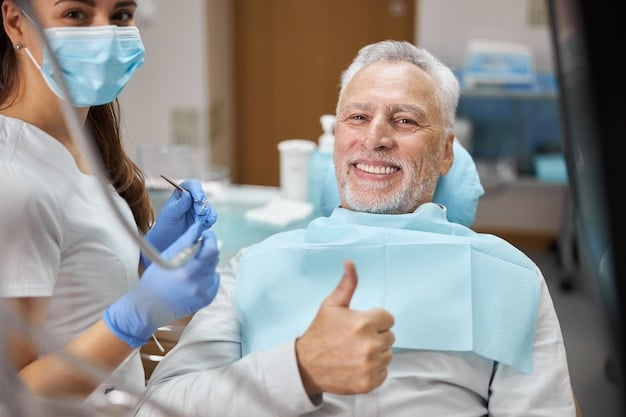
A bright, radiant smile always grabs attention. People use different methods to whiten their teeth and feel more confident in public. Nowadays, teeth whiteners have become a popular choice for achieving a brighter smile with ease. Both adults and youngsters are turning to various whiteners to make their teeth shine brightly.
There are many ways to whiten your teeth, from professional treatments to at-home solutions. But what’s the best way to lighten teeth? Is it safe? And, most importantly, is teeth whitening worth the investment?
If you’ve been wondering the same, let’s dive in and explore the answers!
What Is Teeth Whitening & Why Do You Need It?
The process of teeth whitening efficiently lightens the color of your teeth by removing stains or discoloration. The hard outer layer of your teeth, also known as enamel, is naturally white, but it can become stained over time due to junk food, drink, and lifestyle habits. All the best teeth whitening treatments target these stains, either through bleaching agents or abrasives.
The main reasons for tooth discoloration include diet, smoking, aging, and medications. Red wine, coffee, tea, and tobacco are common culprits, while age-related enamel thinning can make the underlying dentin, which is yellowish in tone, more visible.
The good news is that most yellow teeth can be lightened with proper treatment. However, some stains, particularly those caused by aging, may require more time or multiple treatments to see visible results.
Popular Teeth Whitening Methods in 2025
With many options available, it’s essential to choose a method that suits your needs, budget, and desired results. Here are the main methods of whitening teeth in 2025:
1. Professional In-Office Whitening
You must know that professional teeth whitening is the quickest way to achieve dramatic results. A dentist applies a concentrated whitening gel, typically hydrogen peroxide or carbamide peroxide, to the teeth. This gel is then activated by a special light or laser to speed up the process.
Pros:
- Immediate results (up to 8 shades lighter)
- Safe and performed under professional supervision
- Best for severe stains or special occasions
Cons:
- Expensive ($300 to $1,000 per session)
- Temporary sensitivity or gum irritation can occur
Best for: Those who need fast, significant results must opt for laser teeth whitening, such as before an event or wedding.
2. At-Home Whitening Kits
Dentist-prescribed at-home kits are more affordable than in-office treatments. These kits come with custom trays that you fill with a professional-grade whitening gel. You’ll need to wear these trays for 30 minutes to a few hours daily, depending on the strength of the gel.
Pros:
- More affordable than in-office whitening ($100 to $600)
- Custom-fit trays ensure even results
- Noticeable results in 1–2 weeks
Cons:
- Requires daily use for up to two weeks
- Results are slower compared to in-office whitening
Best for: Those looking for a more gradual and affordable option.
3. Over-the-Counter Products
Whitening strips, LED kits, whitening pens, and pre-filled trays are commonly available at pharmacies and online. These products offer a more affordable way to achieve at-home teeth whitening results but tend to be less powerful than professional treatments.
Pros:
- Affordable (prices range from $20 to $400)
- Convenient and easy to use at home
Cons:
- May take longer to see results (1–2 weeks)
- It can cause uneven whitening if not applied correctly
Best for: Budget-conscious individuals looking for a convenient, at-home solution.
4. Natural & DIY Methods
Some people prefer natural teeth-whitening methods, such as baking soda, activated charcoal, or oil pulling. While these are inexpensive, their effectiveness is often debated, and they can sometimes damage enamel if used improperly.
Pros:
- Very cost-effective (often free)
- Can be done at home without special products
Cons:
- Results are less predictable
- Risk of damaging enamel if used excessively
Best for: Those seeking an inexpensive, natural approach with mild results.
Teeth Whitening Safety & Sensitivity
Whitening is typically safe when done correctly, but it’s essential to follow guidelines to avoid damage. Incorrect use, like overuse or applying too much gel, can lead to:
- Tooth sensitivity
- Gum irritation
- Softening or roughening of enamel
- Damage to dental work (fillings, crowns)
Safety Tips:
- Follow product instructions carefully.
- Use desensitizing toothpaste before and after treatments.
- Consult your dental officer before starting a whitening routine, especially if you have problems like cavities or gum disease.
Pregnant women are advised to avoid whitening treatments unless approved by a dentist. Always consult teeth whitening near me to get safe and effective advice.
Average Teeth Whitening Costs in 2025
The cost of whitening depends on the method chosen:
| Method | Cost Range | Time to Results |
| Professional Whitening | $300 to $1,000 | Immediate (1 session) |
| At-Home Kits | $100 to $600 | 1–2 weeks |
| Over-the-Counter Products | $20 to $400 | 1–2 weeks |
| Natural Methods | Free to $10 | Slow, varies |
How to Maintain Your Whitened Smile
Even after achieving your desired shade, maintaining the brightness of your smile is key. Here are some tips to avoid teeth whitening dangers and get long-lasting results:
- Limit consumption of stain-causing foods like coffee, tea, and red wine.
- Brush and floss regularly to avert plaque buildup.
- Use whitening toothpaste a few times a week to help maintain the results.
- Schedule touch-up treatments every 6–12 months.
Should You Opt for Teeth Whiteners or Veneers?
It’s essential to understand the difference between whitening and veneers.
Whitening treatments remove stains and brighten natural enamel.
Dental veneers are thin shells of porcelain or composite resin that cover the teeth to improve appearance, shape, and size. Veneers are a more permanent solution but come at a significantly higher cost.
Whitening vs. Veneers:
- Cost: Teeth whitening is more affordable, ranging from $20 to $1,000, while veneers typically cost $1,000 to $2,500 per tooth.
- Results: Whitening improves natural tooth color, while veneers can address more significant issues like chips, gaps, and discoloration.
In short, if you are looking for only a shinier smile, you should go for teeth whitening. On the other hand, if your teeth have chips, gaps, and extreme discoloration, veneers can be a permanent solution.
Final Thoughts
In 2025, teeth whiteners have become a highly accessible cosmetic treatment. From professional methods to DIY remedies, there is an option for every budget. Just take precautionary measures as per your dental officer and as written on the pack. This small practice will enhance the results of your teeth whitening and keep them shining for much longer, without chips or infection.
At Pinnacle Dentistry, our expert cosmetic dental services in Colorado Springs offer personalized services, from teeth whitening to veneers, to help you look and feel your best. Whether you need a quick touch-up or a complete smile makeover, we tailor every treatment to your unique goals.
Book your consultation with our dentist in Colorado Springs now and imagine yourself with a brighter, more confident smile!
FAQs
1: How much does professional teeth whitening cost?
In-house teeth whitening typically costs between $300 and $1,000, depending on the clinic and treatment method. It offers dramatic results in just one visit.
2: Are at-home whitening kits safe?
Yes, dentist-prescribed at-home kits are safe when used as directed. It’s essential to follow all instructions to avoid sensitivity or gum irritation.
3: How long do whitening results last?
An average whitening result can last from 6 months to 2 years, depending on factors such as diet, oral hygiene, and lifestyle habits.
4: Can I whiten my teeth with natural methods?
While natural methods like baking soda and oil pulling are inexpensive, their effectiveness is limited. Overuse can also damage enamel, so proceed with caution.
