

Spot the Warning Signs of a Badly Fitted Crown
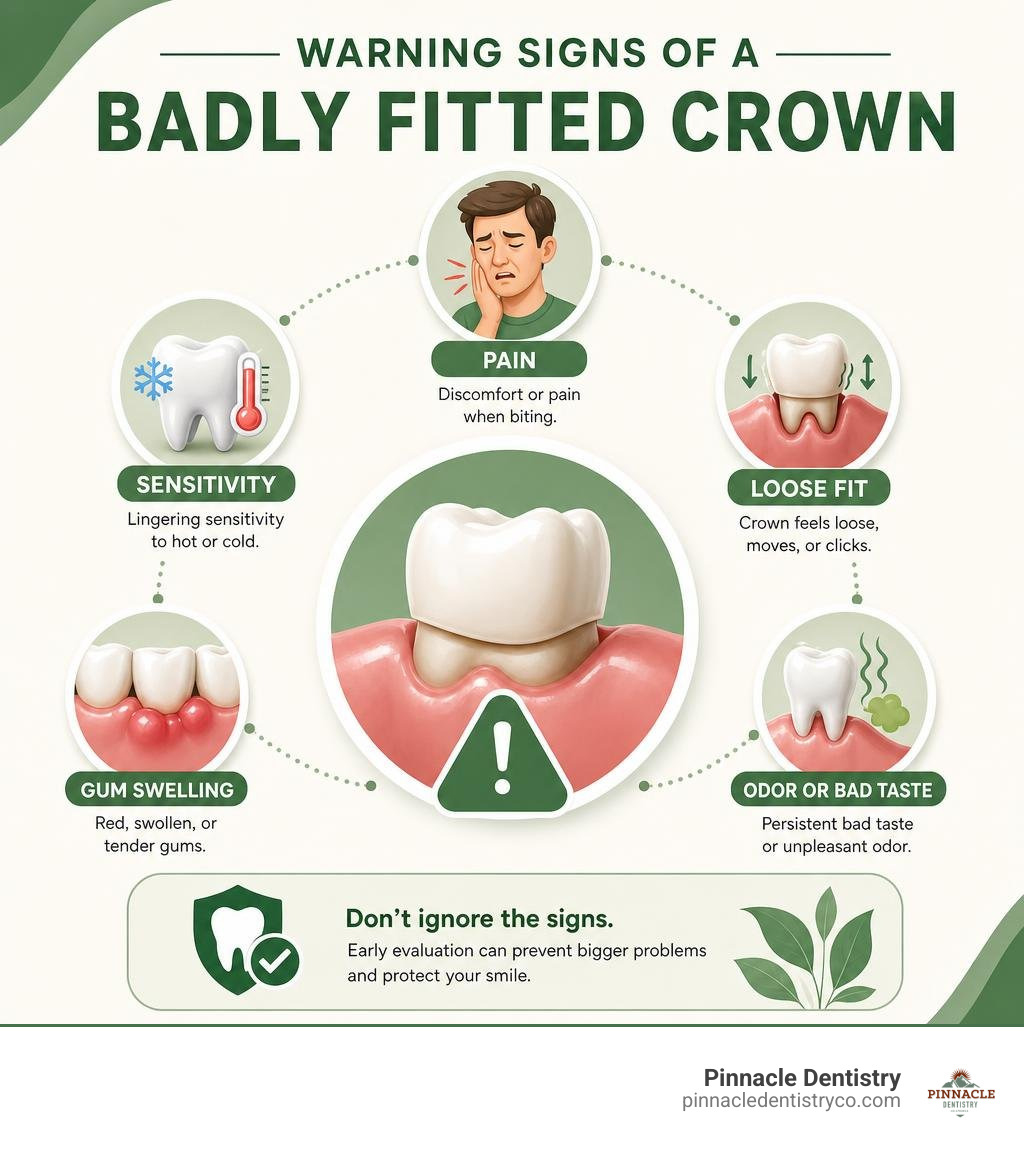
Bad fitting crown symptoms can include pain when biting, a bite that feels uneven, sensitivity, gum irritation, food trapping, or a loose crown. These signs do not confirm a specific problem, but they are reasons to see your dentist for an examination. A crown should feel secure and blend comfortably into your normal bite.
A dental crown can need attention when symptoms persist, worsen, or make chewing difficult. A small gap or loose edge may allow plaque and bacteria to collect near the tooth. Prompt dental care can help the team assess the crown, tooth, gums, and bite before the concern progresses.
I am Dr. Thomas Jennings, DDS, MAGD, a Colorado Springs, CO dentist with more than 35 years of experience providing conservative restorative care. In this guide, I will explain bad fitting crown symptoms, what they can mean, and when to seek care.
This guide covers crown placement, common fit concerns, and what patients can expect during a dental evaluation.
Understanding Bad Fitting Crown Symptoms and Why Fit Matters
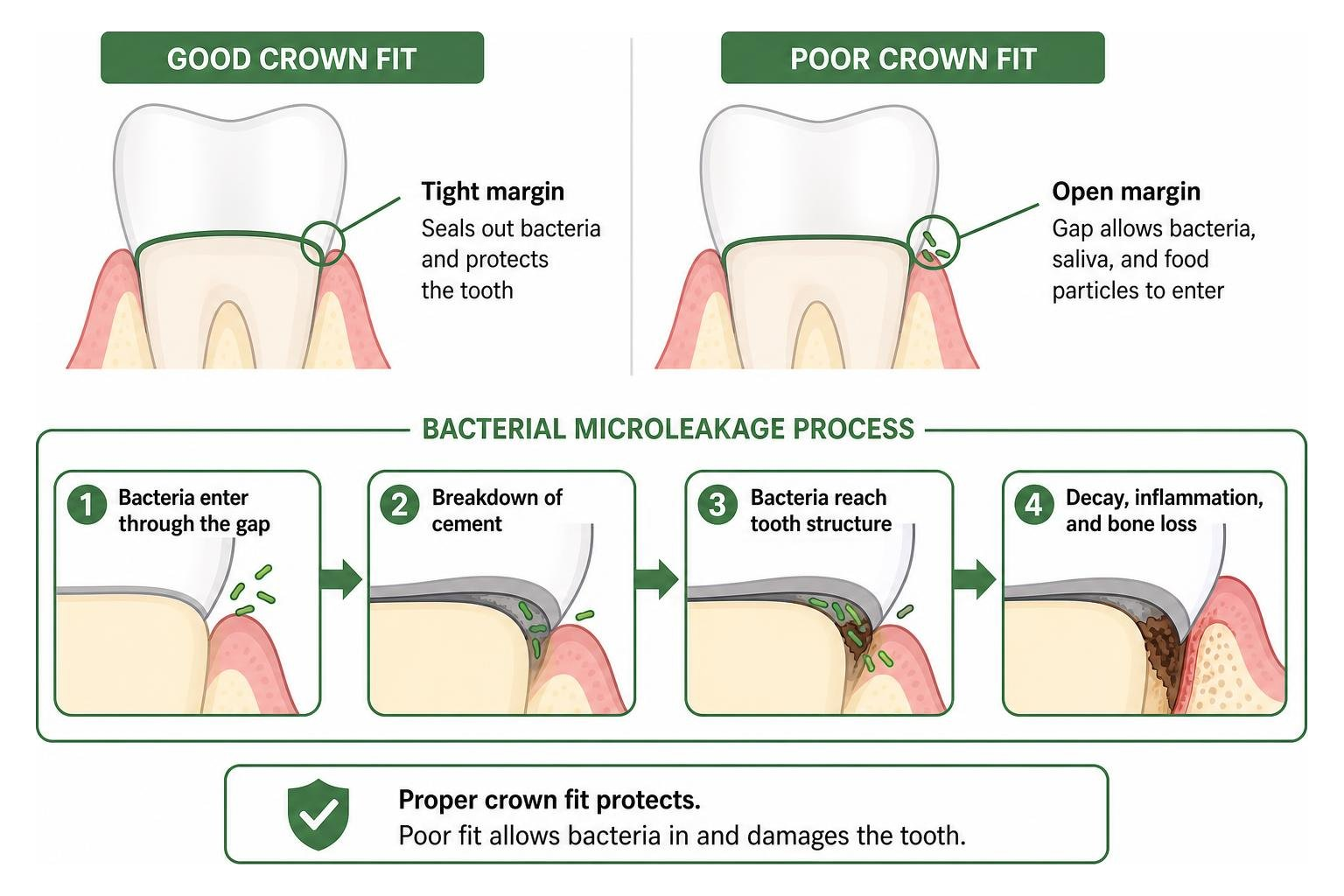
A crown protects a damaged tooth, and its edge should meet the tooth closely at the gumline. When the fit is poor, plaque and bacteria can collect around or beneath the edge. restorative dentistry focuses on evaluating the tooth, crown, gums, and bite together. This evaluation helps the dentist identify which part of the restoration needs closer attention.
The National Institute of Dental and Craniofacial Research, or NIDCR, explains in its nidcr tooth decay guide that tooth decay begins when mouth bacteria make acids that attack enamel. A crown does not prevent decay from developing in the remaining tooth structure near an open or failing margin. Your dentist can check the area and recommend appropriate care when symptoms or changes appear.
A restoration should meet the tooth and surrounding gum tissue smoothly, which is part of crown basics. A crown that extends too far below the gumline or feels bulky can irritate tissue and make cleaning more difficult. A balanced bite also matters because a crown that hits first can place extra pressure on one tooth. If the crown feels different from nearby teeth, schedule an examination rather than trying to judge the fit at home.
Primary Warning Signs to Watch For
A crown that does not align comfortably with your bite can make chewing feel tender or awkward. Patients may notice pressure on the crowned tooth, a sense that the jaw will not close naturally, or discomfort that reaches the jaw muscles. Lingering temperature sensitivity or pain with sweet foods also deserves a dental evaluation. When contacting the office, describe when the symptoms started, what triggers them, and which tooth seems involved. That information can help the team arrange an appropriate visit and prepare for the examination.
Biological and Periodontal Signs to Watch For
A poorly fitting crown can affect the surrounding gums as well as the tooth. Food, plaque, and bacteria may collect near an overhanging edge that is difficult to clean. Red or bleeding gums, repeated food trapping, an unpleasant taste, gum recession, or a dark line near the gumline are reasons to see your dentist.
Normal Post-Placement Healing vs Problematic Complications
Mild tenderness or brief temperature sensitivity can occur after a crown is placed. These symptoms should gradually improve as the tooth and gums settle. Symptoms that persist, worsen, or interfere with chewing should be evaluated by your dentist. A change from the way the crown felt shortly after placement is also worth mentioning when scheduling an appointment.
Distinguishing Normal Healing from Structural Problems
A comfortable bite generally feels even when you close your teeth together. A crown that hits first, rocks, clicks, or causes pain while chewing needs professional assessment. Persistent gum swelling, prolonged sensitivity, or increasing discomfort can also indicate that the crown or tooth needs attention.
Sensitivity and Possible Margin Concerns
Sensitivity can happen after a dental procedure, but it should not continue to intensify. If sensitivity lasts, begins without a clear trigger, or occurs with pain when biting, see your dentist. The examination can identify whether the concern involves the bite, gum tissue, the tooth, or the crown margin.
High Spots and Jaw Comfort
A crown that feels elevated can change how the teeth meet and how the jaw moves. Continuing to chew with an uncomfortable bite may strain the tooth and jaw muscles. Your dentist can evaluate the contact points and determine whether an adjustment is appropriate.
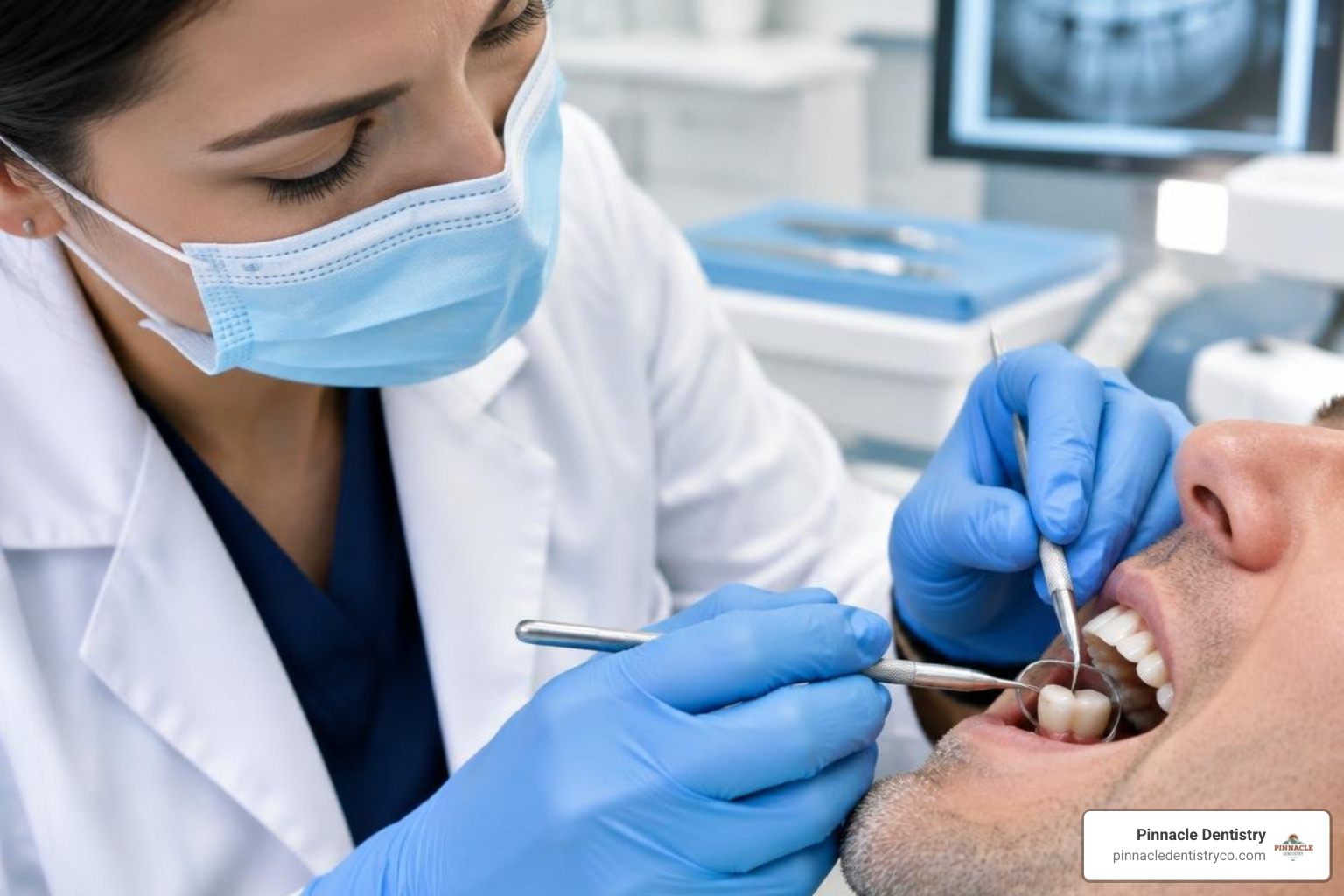
During an evaluation, the dentist may ask when the discomfort began, whether it occurs with pressure or temperature changes, and whether it affects a particular tooth. The visit can include checking how the teeth come together, examining the crown edge near the gums, and reviewing the supporting tooth and surrounding tissue. X-rays may be considered when the dentist decides they are needed to assess the area beneath or around the crown.
Root Causes of Improperly Fitting Restorations
A crown depends on careful planning, tooth preparation, fabrication, and placement. A concern at any stage can affect the fit, appearance, or bite. Our guide on how long crowns last explains the importance of ongoing professional care.
Common causes include impression or scan inaccuracies, laboratory variations, incomplete seating, excess cement near the gums, teeth grinding, and natural changes in the mouth. A crown that once felt comfortable can later need evaluation if the gums recede, the bite changes, or the supporting tooth weakens. Your dentist can determine what is affecting the restoration during an exam. Bringing up recent changes, such as discomfort with a particular food or a new bite sensation, gives the dentist useful context for that assessment.
Details about changes in chewing comfort can help the dental team focus the examination. Patients can describe whether the concern began suddenly or gradually, whether a certain type of food brings it on, and whether the crown feels different at particular times. The dentist can then evaluate the restoration, bite, gums, and supporting tooth to determine the appropriate next step.
Mechanical Failures and Cement Changes
Cement can weaken over time, allowing tiny spaces to form beneath a crown. A patient may notice a click, movement, or a change in how the crown feels. A loose or displaced crown should be assessed promptly because the supporting tooth and crown may need professional care.
Structural Complications and Gumline Overhangs
A well-contoured crown follows the natural shape of the tooth near the gumline. If the base is too wide or uneven, it can create areas that collect plaque and are harder to clean. Our overview of crown risks provides more context on factors that can affect long-term crown care.
Clinical Solutions: Repair, Recementation, or Total Replacement
Resolving a poorly fitting crown begins with a dental examination. The team may assess the bite, crown edges, gums, and supporting tooth with appropriate clinical tools. X-rays may be considered if the dentist decides they are needed to evaluate the tooth and area around the crown. For urgent swelling, fever, or trauma, call the office or seek emergency care, and learn more about emergency dental care.
During the visit, patients can ask what the examination shows about the crown edge, bite, and supporting tooth. They can also ask whether the concern appears to involve an adjustment, recementation, or replacement, and what follow-up the dentist recommends. Pinnacle Dentistry evaluates the concern and discusses the most conservative option that fits the patient’s clinical needs. Some crowns can be adjusted or recemented, while others require replacement based on the crown, the tooth underneath, and the condition of the gums.
When Can a Crown Be Adjusted or Recemented?
Minor bite discrepancies can sometimes be corrected with a professional adjustment. If a crown is loose but intact and the supporting tooth is suitable, recementation may be considered. Your dentist will determine whether the restoration can be safely retained after examining the tooth and crown.
Indicators That May Require Crown Replacement
Replacement may be recommended when the crown has a significant open margin, fracture, poor fit, or decay beneath it. Decay under a crown is one common reason a restoration may need to be replaced. A dentist can explain the findings and the recommended next steps after a complete evaluation.
Protecting Your Restorations and Preventing Premature Crown Failure
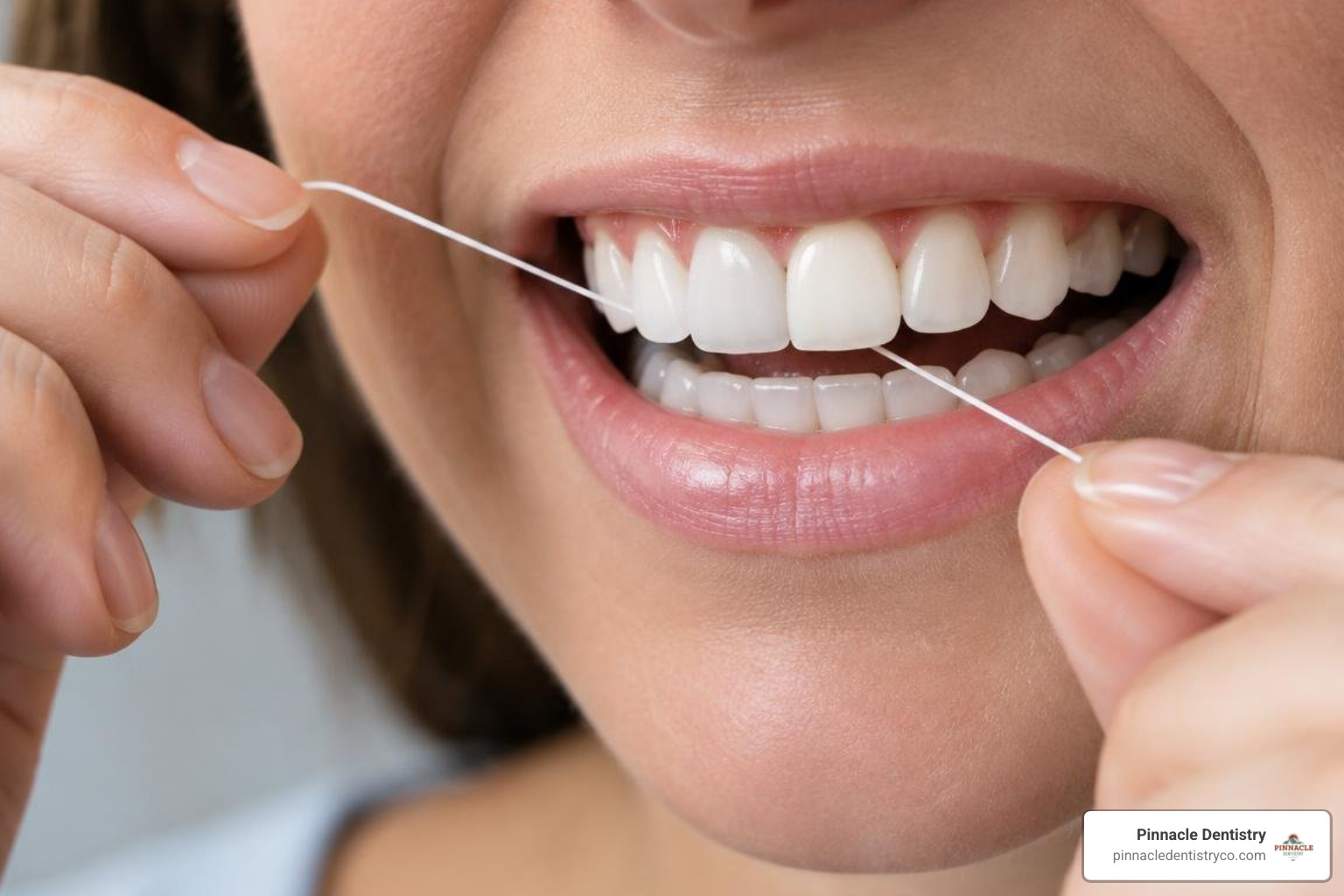
With good daily care and regular dental visits, our team typically sees crowns provide many years of service. MedlinePlus notes in its medlineplus crown guide that the tooth under a crown can still get a cavity and that a crown may fall off if its supporting tooth core is too weak. It recommends brushing twice a day and flossing once a day to help prevent cavities. Regular visits allow your dentist to evaluate the crown, gumline, and bite.
Paying attention to changes around a crown can make it easier to schedule care before discomfort interferes with normal meals or oral hygiene. Mention a new rough edge, repeated food trapping, a change in bite, or tenderness near the gums when contacting the office. A dental visit allows the team to review the crown and surrounding tooth, answer questions, and explain any care that may be appropriate.
- Clean Between Teeth Daily: Brush twice a day and clean between teeth daily as directed by your dental team.
- Use Gentle Oral Care: Choose a soft-bristled toothbrush and toothpaste recommended by your dentist.
- Address Teeth Grinding: Ask your dentist whether a custom nightguard is appropriate if you clench or grind your teeth.
- Protect the Crown: Avoid using teeth to open packaging or bite very hard objects.
- Keep Regular Visits: Schedule routine examinations and cleanings so your dentist can monitor the crown and surrounding tooth.
Frequently Asked Questions About Crown Complications
What are the most common symptoms of a badly fitted dental crown?
Pain when chewing, an uneven bite, lingering sensitivity, food trapping, gum irritation, or a loose feeling can signal that a crown needs attention. These symptoms can have different causes, so schedule a dental examination rather than trying to determine the cause yourself.
How can I tell the difference between normal post-placement sensitivity and a crown concern?
Mild sensitivity after placement may improve as the tooth and gums settle. If discomfort lasts, worsens, or occurs with biting pain or gum swelling, see your dentist for an evaluation.
What causes a dental crown to fit badly in the first place?
Fit concerns can result from changes in the tooth, gums, bite, cement, or crown itself. Manufacturing and placement factors can also affect how a crown sits, which is why a dentist should examine the restoration directly.
Can a badly fitted crown affect the gums?
Yes, a bulky or uneven crown edge can make plaque removal more difficult near the gumline. If you notice redness, bleeding, swelling, or repeated food trapping, see your dentist.
What should I do if my crown feels loose, rocks, or clicks when I bite?
A loose, rocking, or clicking crown should be examined promptly by a dentist. Do not use household adhesives or attempt to adjust the crown yourself.
Why can a bad taste or odor develop around a dental crown?
A persistent bad taste or odor can occur when plaque, food debris, or bacteria collect near a crown edge. Because the cause cannot be confirmed at home, schedule a dental visit for an examination.
Is a dark line at the gumline always a sign of a bad crown?
No, a dark line can have several explanations, including changes in the gums or the material beneath a crown. If it appears with pain, swelling, bleeding, or a change in fit, see your dentist.
When does a crown problem become urgent?
Call the office promptly for severe pain, significant swelling, fever, or dental trauma. If you have trouble breathing or swallowing, or swelling is rapidly worsening, go to the ER immediately.
Can a badly fitted crown be repaired, or does it need replacement?
Some bite or fit concerns can be addressed without replacing the crown. A dentist will determine whether adjustment, recementation, or replacement is appropriate after examining the tooth and restoration.
How can I help protect my crown over time?
Brush twice daily, clean between teeth daily, and attend recommended dental visits. If you grind your teeth or notice a change in your bite, discuss it with your dentist.
Conclusion
A dental crown should feel comfortable, secure, and natural after placement. Recognizing changes in comfort, bite, sensitivity, or gum health can help you know when to see your dentist. A timely evaluation can identify concerns involving the crown, tooth, gums, or bite.
Pinnacle Dentistry has been serving patients in Colorado Springs, CO since 1989. Dr. Thomas Jennings is a Master of the Academy of General Dentistry (MAGD), and the team provides personalized restorative care. To schedule an evaluation, contact our office at Pinnacle Dentistry.
Pinnacle Dentistry, 2430 Research Pkwy Suite 200, Colorado Springs, CO 80920, (719) 590-7100
