

How Long Do Veneers Last? What Every Patient Should Know
How long do veneers last is one of the most common questions patients ask when considering cosmetic dental treatment. The answer depends on the veneer material, the condition of the supporting teeth and gums, bite forces, and the quality of clinical planning and placement. Veneers are designed to improve the appearance of teeth, but they still need routine professional attention over time.
With good care and regular checkups, porcelain veneers can last for many years. Composite veneers usually need repair or replacement sooner than porcelain because the material can wear, stain, or chip more readily. During a consultation, your dentist can review your smile goals, tooth condition, bite, and the treatment options that fit your situation.
Veneers are an investment in your smile, so it is helpful to understand what influences their durability. Clinical planning, ongoing dental visits, and timely attention to changes in a veneer can support a healthy long-term result. If you notice a change in the fit, color, or feel of a veneer, see your dentist for an evaluation.
I’m Dr. Thomas Jennings, DDS, MAGD, a Colorado Springs, CO dentist with over 35 years of experience helping patients understand how long veneers last and how to protect that investment. In the sections below, I’ll walk you through the materials, the professional care involved, and practical questions to ask before or after veneer treatment. This information can help you have a more informed conversation with your dentist about your smile.

Veneer Materials Compared
Dental veneers are custom-made, thin shells placed over the front surface of teeth to address cosmetic concerns such as discoloration, chips, gaps, or mild irregularities. MedlinePlus guidance notes that restorations including crowns, veneers, and bridges may be used to correct an abnormal tooth shape and improve the appearance and spacing of teeth. A dentist should evaluate the teeth, gums, and bite before recommending a treatment approach.
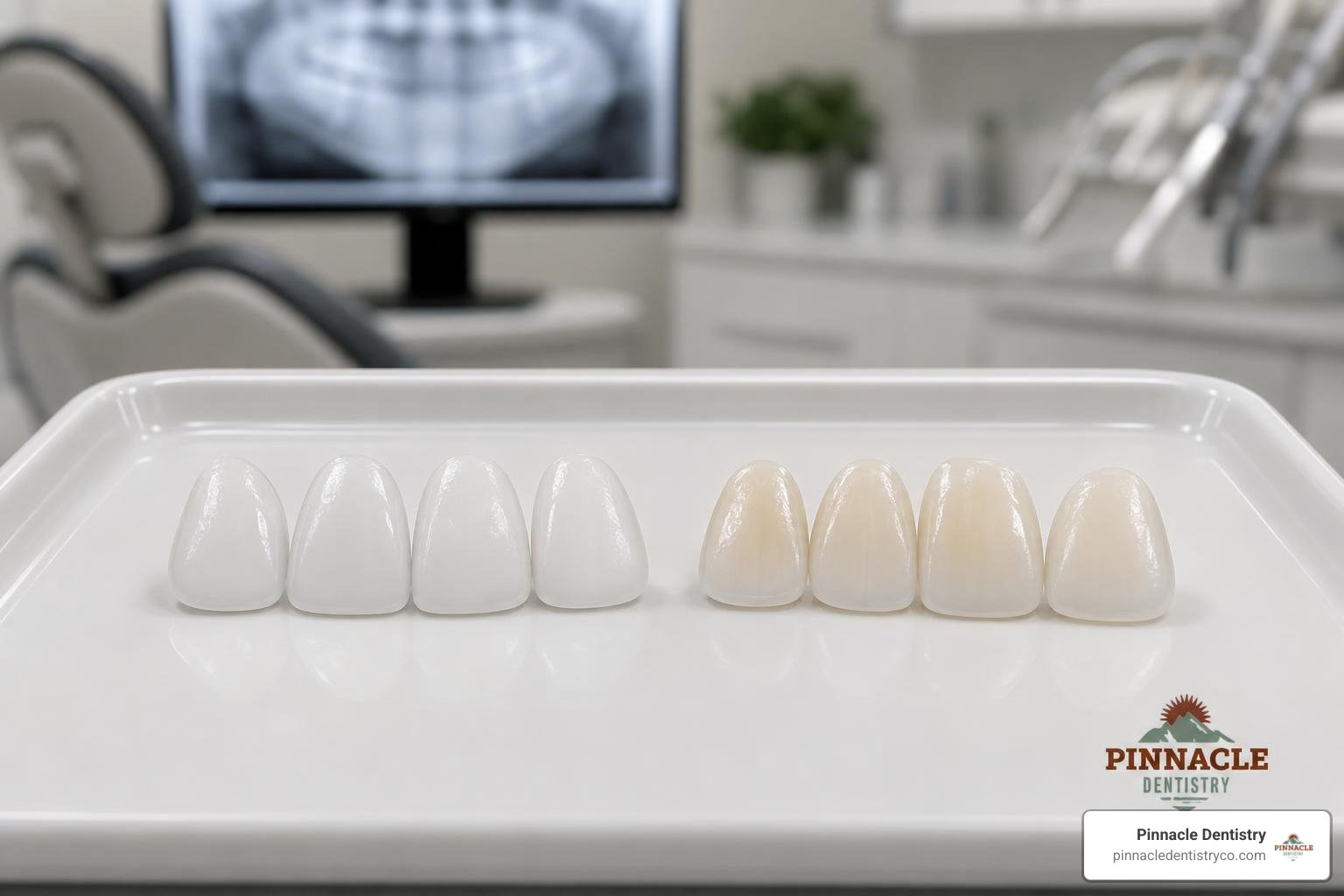
Porcelain and composite resin can serve similar cosmetic goals, but they differ in how they are made, how they wear, and how they may be maintained. The right choice depends on your tooth structure, bite, cosmetic priorities, and the amount of change needed. A consultation gives you an opportunity to discuss the benefits and limitations of each material for your smile.
Treatment planning should focus on long-term oral health as well as appearance. Your dentist can explain whether a conservative approach is appropriate, what preparation may be needed, and what routine follow-up will involve. Ask about the expected maintenance needs before deciding which material is right for you.
Porcelain Veneers: The Gold Standard for Longevity
Porcelain is often chosen for its durability and stain resistance. It is a high-grade ceramic material that closely mimics the natural translucent properties of tooth enamel. When light hits a porcelain veneer, it passes through the ceramic layer and reflects off the underlying tooth structure, creating a highly realistic, vibrant look.
porcelain veneers are made from a ceramic material chosen for its natural-looking translucency and resistance to everyday staining. They are custom designed and bonded after careful planning, which makes tooth preparation and bite evaluation important parts of the process. Patients should still see their dentist if they notice a rough edge, a change in bite, or a dark area near a veneer.
Composite Veneers: A Faster, Less Durable Option
Composite veneers, sometimes called direct bonding, are shaped from a tooth-colored resin during a dental visit. Because the material is generally more prone to wear and staining than porcelain, composite veneers usually need repair or replacement sooner. Your dentist can discuss whether dental bonding or another option better fits the condition of your teeth and your goals.
The material choice is only one part of the decision. The amount of healthy enamel available, the way your teeth meet, and habits such as clenching can affect whether a veneer remains stable. Your dentist can explain what those factors mean for your individual treatment plan.
A conversation about bonding vs veneers can help clarify the differences in materials, treatment steps, and maintenance. Bring questions about appearance, preparation, and follow-up visits to your consultation. Clear expectations help you make a treatment decision that supports your dental health and smile goals.
Key Factors That Influence Veneer Durability
The veneer material sets one part of the picture, but daily bite forces, gum health, and clinical placement also matter. Dental restorations are not indestructible, and the mouth changes over time. Regular visits help a dentist identify concerns before they become more involved.
Several day-to-day and clinical factors can influence how a veneer wears over time. Reviewing them before treatment can help patients understand the care a veneer may need and the questions to raise during follow-up visits. The following factors should be part of a treatment discussion:
- Oral hygiene and gum health: A veneer itself cannot decay, but the natural tooth and gumline around it still need professional monitoring. Changes near the margin, including sensitivity or discoloration, should be evaluated by a dentist.
- Bite alignment and force: When teeth meet unevenly, some veneers may experience more pressure than others. Your dentist can evaluate the bite and discuss whether adjustments or protective options are appropriate.
- Grinding or clenching: Bruxism can place repeated force on teeth and restorations. The National Institute of Dental and Craniofacial Research’s NIDCR bruxism guidance explains that severe bruxism can damage teeth and contribute to jaw pain and headaches, and that dentists inspect teeth and restorations for damage.
- Enamel preservation: A conservative veneer preparation approach preserves as much healthy tooth structure as possible. Your dentist can explain how the amount of preparation relates to the planned veneer and its bond.
The Role of Professional Placement
Careful clinical placement is important to the fit, appearance, and function of veneers. A dentist evaluates the bite, tooth shape, gumline, and available enamel before preparing the teeth and bonding the restorations. If a veneer feels high, loose, or different when you bite, see your dentist rather than waiting for it to worsen.
At Pinnacle Dentistry in Colorado Springs, CO, Dr. Thomas Jennings is a Master of the Academy of General Dentistry (MAGD). That experience supports a detailed approach to cosmetic planning, enamel preservation, and bite evaluation. Patients can ask how their individual bite and tooth condition may affect veneer treatment before moving forward.
Patient Habits and Daily Maintenance
Daily habits and professional follow-up both matter after veneers are placed. Use the oral-care products and techniques your dental team recommends for your specific situation, and bring questions about changes in comfort or appearance to your regular visits. Veneer care is not a substitute for ongoing dental exams and cleanings.
If you grind or clench your teeth, tell your dentist so the restorations and bite can be evaluated. NIDCR explains that a mouth guard separates the teeth and can help prevent tooth damage, but the right option should be selected with your dentist based on your dental needs. New jaw pain, headaches, visible damage, or a change in the way your teeth meet should be assessed by your dentist.
For additional information about routine follow-up, review these veneer care tips. At a regular visit, your dentist can check the veneer edges, gum tissue, surrounding teeth, and bite. Keeping those appointments makes it easier to discuss concerns early.
How to Help Your Veneers Last Longer
Veneers benefit from thoughtful planning and regular professional care over their service life. Their appearance and function can change as teeth, gums, and bite patterns change. A dentist can evaluate whether a veneer is stable and whether any changes need attention.
Everyday habits can affect the veneer, the tooth beneath it, and the surrounding gums. A regular dental visit gives the dentist an opportunity to check for changes in fit, comfort, and bite before they become more involved. The following habits and clinical factors can help support veneers over time:
- Protect the bond to healthy tooth structure: Preserving enamel when appropriate gives the dentist a stable surface for bonding. Ask how preparation will be tailored to the condition of your teeth.
- Maintain gum health: Healthy gums help support the appearance of veneer margins. Bleeding, recession, sensitivity, or a dark line near a veneer are reasons to see your dentist.
- Avoid using teeth as tools: Opening packaging, biting hard objects, or chewing ice can damage natural teeth and restorations. If a veneer chips or feels loose, contact your dentist for guidance.
- Keep regular dental visits: Your dentist can examine the veneers, edges, gums, and bite, then discuss any care that may be needed. Urgent swelling, fever, or dental trauma requires prompt attention, so call the office or go to the ER.
Questions about veneer maintenance are welcome at regular visits. Ask your dentist what changes are normal, what symptoms should be examined promptly, and how your bite may affect the restorations. These conversations can help you make informed decisions as your dental needs change.
Signs Your Veneers Need to Be Replaced
Even with attentive care, veneers can eventually need evaluation, repair, or replacement. The mouth changes with age, and the teeth and gums supporting a veneer may also change. A dentist can assess both the restoration and the tooth underneath when a concern arises.
A change in comfort, appearance, or bite does not always mean a veneer needs replacement, but it should be assessed by a dentist. An examination can help determine whether the concern involves the veneer, the tooth underneath, the gums, or the bite. Contact your dentist if you notice any of the following changes:
- Visible chips or cracks: Rough areas, fractures, or a missing piece of veneer should be examined to determine whether polishing, repair, or replacement is appropriate.
- Gum recession or dark margins: A change at the gumline can affect the appearance of a veneer and may need an evaluation of the gums and tooth structure.
- Darkening of the underlying tooth: Color changes beneath or around a veneer can have several causes. See your dentist for an examination rather than trying to determine the cause at home.
- Loose veneers or changes in bite: A veneer that moves, feels high, or changes the way your teeth meet needs prompt professional attention. Urgent swelling, fever, or trauma requires calling the office or going to the ER.
The Replacement Process: What Happens Next?
Traditional veneers often require a conservative amount of enamel preparation so the restoration can fit naturally. Because enamel does not grow back, the tooth will continue to need an appropriate restoration after a traditional veneer is removed. Your dentist can explain what this means for your individual treatment plan before veneers are placed or replaced.
When a veneer needs replacement, the dentist evaluates the existing restoration, the tooth underneath, the gums, and the bite before recommending next steps. The older material may be removed carefully, and the tooth can be examined for concerns that need to be addressed. A new scan or impression may be needed to plan a replacement that fits and functions properly.
Some patients may need a different type of restoration depending on the amount of remaining tooth structure and their overall dental needs. A cosmetic dentistry consultation can help you understand the available options and the clinical reasons behind a recommendation. Bring questions about the procedure, timing, bite, and follow-up care so you know what to expect.
Frequently Asked Questions About Veneer Longevity
How long do veneers last on average?
With good care and regular checkups, porcelain veneers can last for many years. Material selection, tooth and gum health, bite pressure, and routine follow-up can all affect when a veneer needs attention. Compared with porcelain, composite resin often requires repair or replacement earlier because it is more susceptible to wear, staining, or chips.
Are dental veneers permanent?
Veneers are designed to be a long-term cosmetic treatment, but they are not permanent because they can wear, chip, loosen, or need replacement over time. Traditional veneer treatment may involve enamel preparation, so the tooth may continue to need an appropriate restoration if a veneer is removed. A dentist can explain what this means for an individual treatment plan before care begins.
Do veneers damage your natural teeth?
Veneers do not automatically damage healthy teeth when treatment is carefully planned, but the teeth and gums still need professional care. Traditional veneers can require enamel preparation, which cannot be reversed. A dentist can evaluate enamel, gums, and bite to discuss whether veneers are appropriate and how to protect the remaining tooth structure.
Can you get cavities under veneers?
The veneer material cannot develop a cavity, but the tooth and gumline beside it still require regular dental care. At a checkup, the dentist can assess the restoration’s margins, the nearby enamel, the gums, and the bite. New sensitivity, discoloration, or a noticeable change around a veneer is a reason to see your dentist.
What happens if a veneer falls off or chips?
A chipped, loose, or detached veneer should be examined promptly so the dentist can assess both the restoration and the tooth underneath. Avoid trying to determine the cause or make a repair at home. If urgent swelling, fever, or trauma is present, call the office or go to the ER.
Do veneers stain over time?
Porcelain is generally more resistant to everyday staining than composite resin, but either material can change in appearance over time. Surface wear, changes at the gumline, and color changes in the natural teeth can affect how a veneer looks. A dentist can examine the veneer and surrounding teeth to discuss the reason for a noticeable change.
How do I know if my veneers need to be replaced?
Chips, cracks, looseness, a change in bite, gum recession, or darkening near a veneer are reasons to schedule an evaluation. A dentist can determine whether the concern involves the veneer, tooth, gums, or bite and explain whether repair or replacement is appropriate. Prompt attention can help address a change before it becomes more involved.
How often should my veneers be checked?
Veneers should be checked at regular dental visits. During the visit, the dentist can examine the veneers, their edges, the surrounding gums, and the bite. These checks make it easier to discuss new concerns before they become more complicated.
Can teeth grinding ruin my veneers?
Grinding and clenching can place repeated force on veneers and the teeth that support them. A dentist can look for signs of damage and discuss whether a professionally selected mouth guard may be appropriate. Jaw discomfort, headaches, visible veneer damage, or a change in the way the teeth meet should be evaluated by a dentist.
Are composite veneers or porcelain veneers better for me?
The better material depends on tooth structure, bite, cosmetic priorities, the amount of change needed, and the expected maintenance. Porcelain and composite resin can serve similar cosmetic goals, but they differ in how they are made, how they wear, and how they may be maintained. A dentist can review the benefits and limitations of each option for an individual smile.
Conclusion
Veneers can be a meaningful part of a smile plan when the treatment is designed around your teeth, gums, bite, and goals. Understanding what affects veneer durability helps you ask better questions and recognize when a professional evaluation is needed. Regular dental visits give your dentist an opportunity to monitor the restorations and discuss any changes.
Pinnacle Dentistry has been serving patients since 1989 in Colorado Springs, CO. Our team provides personalized cosmetic care and takes time to discuss veneer materials, preparation, bite considerations, and follow-up visits. If you are considering veneers or have concerns about existing restorations, contact our office to schedule a consultation.
Pinnacle Dentistry, 2430 Research Pkwy Suite 200, Colorado Springs, CO 80920, (719) 590-7100