
What You’ll Actually Pay for Partial Dentures With Insurance
Understanding partial dentures cost with insurance is one of the most common questions patients ask before starting treatment, and for good reason. The numbers can feel confusing fast. When you are missing teeth, it affects more than just your appearance. It impacts your ability to chew, speak clearly, and maintain the structural integrity of your jaw. Fortunately, dental insurance can significantly offset the cost of restorative care, making a healthy smile highly attainable.
Here is a quick answer before we dive deeper:
| Partial Denture Type | Average Cost (No Insurance) | Typical Insurance Coverage (50%) | Estimated Out-of-Pocket |
|---|---|---|---|
| Acrylic (Flipper) | $300 – $1,500 | $150 – $750 | $150 – $750 |
| Flexible (Nylon) | $700 – $2,500 | $350 – $1,250 | $350 – $1,250 |
| Cast Metal | $900 – $3,500 | $450 – $1,500 | $450 – $2,000+ |
Key points to know upfront:
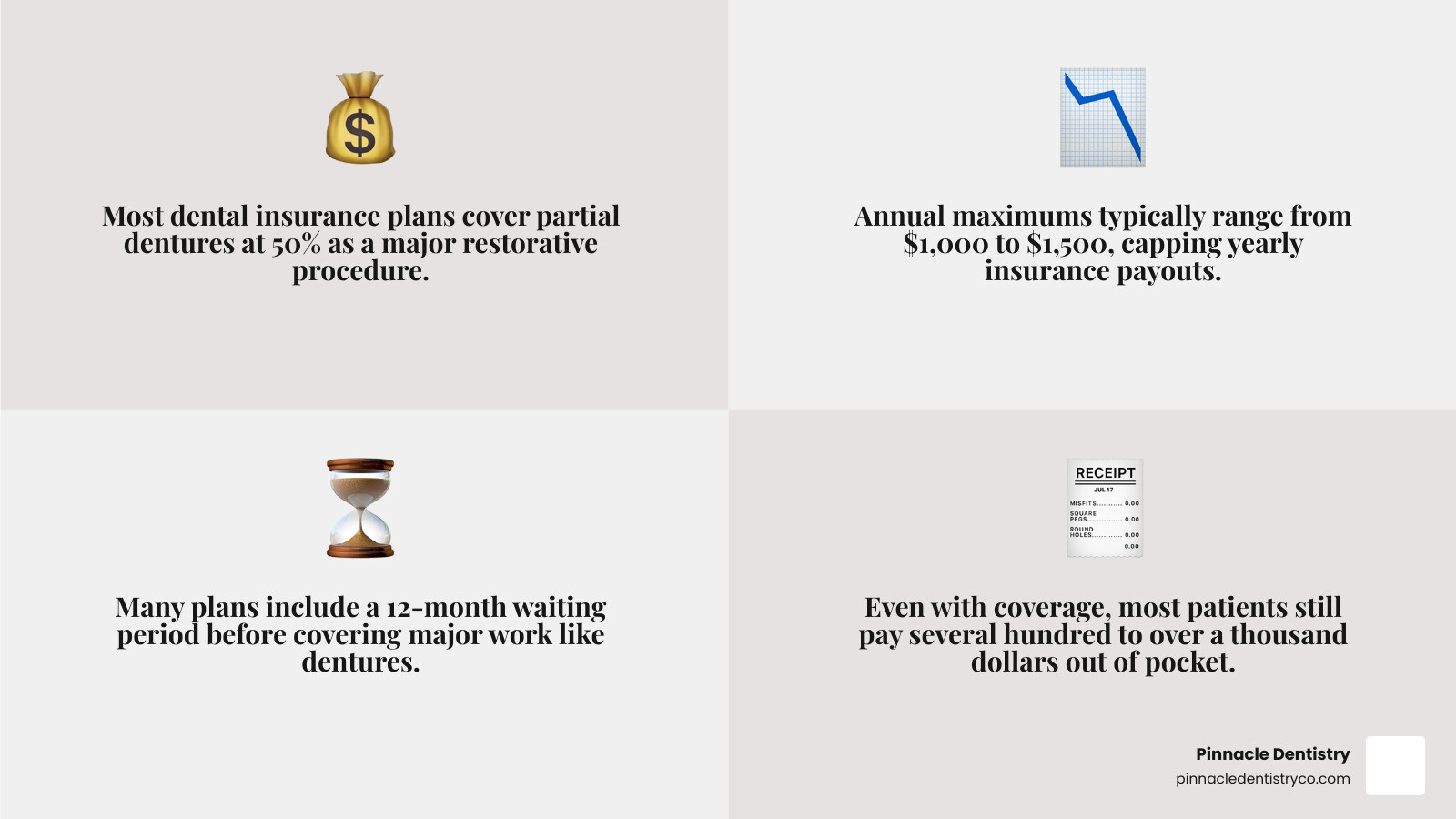
- Most dental insurance plans cover partial dentures at 50% as a major restorative procedure.
- Annual maximums typically range from $1,000 to $1,500, which caps how much your plan pays in a year.
- Many plans include a 12-month waiting period before covering major work like dentures.
- Even with coverage, most patients pay several hundred to over a thousand dollars out of pocket.
Nearly 45% of adults aged 20 to 64 have lost at least one permanent tooth. If you are one of them, partial dentures are often the most affordable path to restoring your smile, but navigating what insurance actually covers can be frustrating without a clear guide.
That is exactly what this article is for.
I am Dr. Thomas Jennings, DDS, MAGD, founder of Pinnacle Dentistry in Colorado Springs, CO, with over 35 years of experience helping patients understand their options for partial dentures cost with insurance and find solutions that fit their real-life budgets. In the sections ahead, I will walk you through everything you need to know, from how insurance coverage works to smart strategies for reducing what you pay out of pocket.
What Are Partial Dentures and How Do They Work?
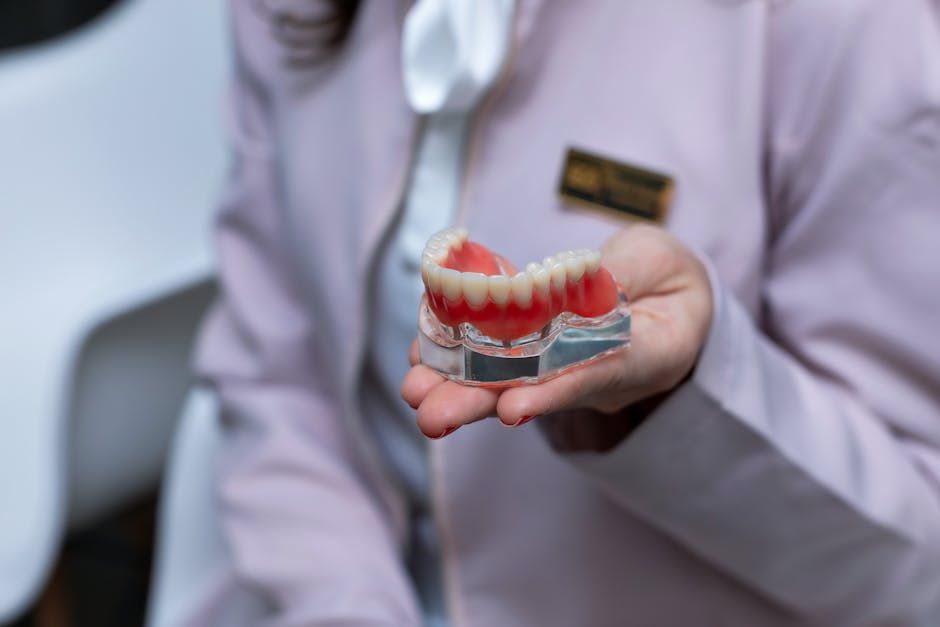
When you are missing one or several teeth, your remaining teeth can slowly begin to shift. This movement can disrupt your bite, cause jaw discomfort, and make chewing your favorite foods a challenge. A partial denture is a custom-made, removable dental appliance designed to fill those empty spaces, restoring both your oral function and your confidence.
Unlike full dentures, which replace an entire arch of teeth, partial dentures are engineered to fit around your existing natural teeth. They are held securely in place using specialized clasps or precision attachments that anchor to your healthy teeth. Understanding the types of dentures: which is best for you? is the first step in deciding which material and design will best suit your lifestyle, comfort level, and budget.
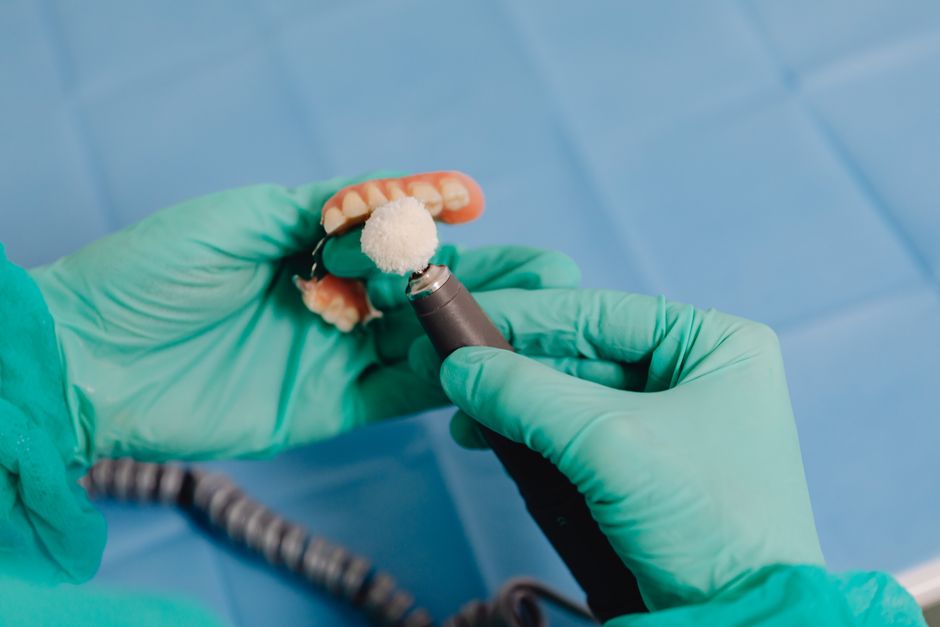
The fabrication process for a custom partial denture is highly detailed and requires multiple clinical steps. Your dentist will first take highly accurate impressions of your upper and lower arches. These impressions are used to create a stone model of your mouth, which serves as the foundation for designing the appliance. Next, a bite registration is performed to ensure that the artificial teeth align perfectly with your natural bite. A wax try-in appointment allows you to preview the fit and appearance of the denture before the final appliance is processed in a specialized dental laboratory.
Acrylic Partial Dentures
Often referred to as temporary flippers, acrylic partial dentures are the most budget-friendly option available. They feature a rigid pink resin base that mimics the appearance of natural gum tissue, with dental prosthetic teeth attached directly to it.
While acrylic partials are excellent temporary solutions, especially while waiting for gums to heal after an extraction, they are generally thicker and less durable than other options. They rely heavily on metal clasps to hold onto neighboring teeth, which can sometimes be visible when you laugh or speak. Because they lack a metal framework, they must be made thicker to prevent breakage, which can sometimes affect speech and taste sensitivity during the initial adjustment period.
Cast Metal Framework Dentures
If you are looking for long-term durability and structural support, cast metal framework dentures are the gold standard. These appliances are constructed using an incredibly strong, biocompatible metal framework, typically made from cobalt chrome.
The prosthetic teeth and pink acrylic gums are built on top of this ultra-thin metal base. Because the metal is so strong, the framework can be made much thinner than an acrylic base, making it far more comfortable to wear and easier to speak with. Cast metal partials distribute chewing forces evenly across your remaining natural teeth, protecting your jawbone and surrounding tissues from uneven pressure. The precision-milled metal clasps rest securely on prepared guide planes on your natural teeth, providing unmatched stability.
Flexible Partial Dentures
For patients who prioritize comfort and natural aesthetics, flexible partial dentures are an outstanding choice. These appliances are crafted from a specialized, lightweight thermoplastic nylon material instead of rigid acrylic or metal.
The flexible base bends slightly to match the natural contours of your mouth, providing a highly secure and comfortable fit. Additionally, the clasps on flexible partials are made from the same gum-colored nylon material, making them virtually invisible in your mouth. The primary trade-off is that flexible nylon partials cannot be easily repaired or relined if they crack or if you lose another tooth, meaning they must be completely replaced if significant changes occur in your mouth.
Understanding the Average Partial Dentures Cost with Insurance
Navigating the financial side of dental care can feel like a puzzle. When you are looking at the overall partial dentures cost with insurance, your final out-of-pocket expenses will depend heavily on the specific tier of your dental plan, your deductible, and whether your provider is in-network.
Most insurance companies categorize partial dentures as a major restorative procedure. This means they are not covered under the preventive care umbrella, which usually covers 100% of cleanings and exams. Instead, you will share the cost of the treatment with your insurer. To get a clear picture of how your benefits are structured, it is highly recommended to review the fundamentals of your dental benefits before scheduling your procedure.
Below is a detailed breakdown of what you can expect to pay on average for a single arch (upper or lower) partial denture before and after insurance coverage is applied:
| Material Type | Average Out-of-Network National Cost | Typical Insurance Coverage | Estimated Patient Out-of-Pocket Cost |
|---|---|---|---|
| Acrylic Flipper | $700 to $1,200 | 50% | $350 to $600 |
| Flexible Nylon | $1,500 to $2,500 | 50% | $750 to $1,250 |
| Cast Metal Framework | $1,200 to $2,000 | 50% | $600 to $1,000 |
How Plan Limitations Affect Your Partial Dentures Cost with Insurance
Even if your insurance plan states that it covers 50% of major restorative procedures, several hidden limitations can dramatically alter your final bill. The most significant of these is the annual maximum. Most traditional dental insurance policies cap their yearly payouts between $1,000 and $1,500.
For example, if you receive a premium cast metal partial denture that costs $2,400, a 50% coverage rate would theoretically mean your insurance pays $1,200. However, if your plan has a $1,000 annual maximum and you have already used $200 of it on basic fillings earlier in the year, your insurance will only pay $800, leaving you to cover the remaining $1,600 out of pocket.
Another critical policy limitation that many patients overlook is the Missing Tooth Clause. If a tooth was lost before your current dental insurance policy became active, the insurance company may refuse to pay for its replacement. This means that even if your plan covers major restorative care at 50%, the claim for your partial denture could be denied if it is replacing teeth lost during a period of non-coverage. It is essential to have your dental office submit a pre-determination of benefits to clarify these details before starting treatment.
Additionally, many policies enforce a waiting period, typically 12 months, before they will pay for any major restorative work. If you try to get a partial denture within your first year of active coverage, your claim may be denied entirely. For a comprehensive look at how these restrictions operate, check out our guide on everything you need to know about dental benefits. You can also read more about policy specifics in the Guardian’s guide to restorative dental care.
The 100-80-50 Coverage Model Explained
Most Preferred Provider Organization (PPO) dental plans operate on a classic 100-80-50 coverage structure. This model defines what percentage of the bill the insurance company will cover for different tiers of dental care:
- 100% Coverage: Preventive care, including routine cleanings, exams, and diagnostic X-rays.
- 80% Coverage: Basic services, such as simple fillings, root canals, and non-surgical gum treatments.
- 50% Coverage: Major restorative services, which include crowns, bridges, and full or partial dentures.
Because partial dentures fall squarely into the 50% major restorative category, you should expect to be responsible for at least half of the negotiated contract rate, plus any applicable deductibles, up to your annual maximum limit.
Key Factors That Influence the Cost of Partials
No two smiles are identical, and because of this, the cost of a partial denture is highly individualized. Several factors beyond insurance coverage play a critical role in determining the final price of your treatment:
- Material Quality: Premium materials, such as advanced thermoplastic nylon or high-grade cobalt-chrome alloys, cost more upfront but offer vastly superior comfort, durability, and lifelike aesthetics.
- Customization Level: A highly customized denture that involves precise color-matching to your natural teeth, custom characterization of the gum tissue, and multiple try-in appointments will require more laboratory time and expertise, raising the overall cost.
- Geographic Location: Dental fees naturally reflect the cost of living in a specific region. Getting dental care in Colorado Springs, CO, may feature different pricing structures compared to other parts of the country.
- Dentist Experience: Highly trained specialists, such as prosthodontists or dentists with advanced credentials like a Mastership in the Academy of General Dentistry (MAGD), may command higher fees due to their advanced clinical expertise and ability to handle complex restorative cases.
Comparing Your Out-of-Pocket Partial Dentures Cost with Insurance to Other Options
When deciding how to replace missing teeth, it is helpful to compare the value and cost of partial dentures against alternative restorative treatments.
While a partial denture is generally the most affordable upfront option, dental bridges and dental implants are highly popular alternatives. A dental bridge is a fixed appliance that is cemented onto neighboring natural teeth, while a dental implant involves surgically placing a titanium post into the jawbone to support a permanent crown.
When evaluating the overall value of your tooth replacement options, it is helpful to look at the long-term clinical outcomes. While a partial denture is highly affordable upfront, dental implants offer a permanent solution that actively prevents bone loss. Implants stimulate the jawbone just like natural tooth roots, maintaining your facial structure over time. A dental bridge, on the other hand, is a fixed option that provides excellent stability but requires the modification of adjacent healthy teeth. Weighing these factors with your dentist will help you choose the best path for your oral health and budget.
If you are missing a larger number of teeth, you might also compare these options to a full denture, which replaces an entire arch of teeth. To explore all of your tooth replacement options in detail, visit our dedicated full & partial dentures service page.
Strategic Ways to Lower Your Out-of-Pocket Expenses
If your insurance benefits are limited, there are several highly effective strategies you can use to minimize your out-of-pocket expenses without sacrificing the quality of your dental care.
One of the smartest tactics is phased treatment. If you require multiple extractions or preparation work before your partial denture can be made, your dentist can often split the treatment plan across two calendar years. By scheduling the preparatory work in November or December and fabricating the actual partial denture in January, you can utilize two full years of insurance annual maximums, saving you hundreds of dollars.
Phased treatment planning is an exceptionally effective way to maximize your dental benefits. If you require preparatory treatments, such as periodontal therapy or selective extractions, these can be scheduled at the end of one calendar year. The fabrication and delivery of the partial denture can then be scheduled for the beginning of the following year. This allows you to utilize two consecutive annual maximums, effectively doubling your insurance contribution and significantly reducing your personal financial responsibility.
For a step-by-step breakdown of how to execute this strategy, read your year-end guide to use it or lose it dental insurance benefits and explore the 5 reasons to use your dental benefits before the end of the calendar year.
What If I Don’t Have Dental Benefits?
If you do not currently have traditional dental insurance, you are not locked out of receiving high-quality restorative care. Many modern dental practices offer creative solutions for self-pay patients.
For instance, you can sign up for an in-house membership plan, which typically provides members with flat-rate discounts of 15% to 20% on major restorative treatments like partial dentures for a simple annual fee. This completely bypasses waiting periods, claim denials, and annual caps.
Additionally, visiting a local dental school where supervised students perform treatments can offer significant savings, though the process often takes multiple long appointments. To learn more about navigating your care without a policy, read our helpful guide on what if I don’t have dental benefits?.
Flexible Financing and Payment Plans
To help fit your treatment into a comfortable monthly budget, healthcare financing options are widely available. Third-party providers like CareCredit allow qualified patients to pay for their dental work over time.
Many of these plans offer interest-free promotional periods ranging from 6 to 24 months, allowing you to pay off your balance in manageable monthly payments. Utilizing professional financing options ensures you can receive the restorative care you need immediately, rather than waiting and risking further dental complications.
Frequently Asked Questions About Partial Dentures
1. How much do partial dentures cost with insurance on average?
On average, patients using dental insurance can expect to pay between $500 and $1,250 out of pocket per arch for a high-quality partial denture. This assumes your insurance covers 50% of the negotiated in-network fee as a major restorative service and that you have not already exhausted your annual maximum benefits for the calendar year.
2. Does dental insurance cover the full cost of partial dentures?
No, dental insurance almost never covers the full cost of partial dentures. Because they are classified as major restorative procedures, most plans cover a maximum of 50% of the cost. The patient is always responsible for the remaining balance, deductibles, and any amount that exceeds the plan’s annual maximum limit.
3. What is the cheapest type of partial denture available?
The most affordable option is an acrylic partial denture, commonly referred to as a temporary flipper. While they are budget-friendly and excellent temporary solutions, they are less durable and thicker than cast metal or flexible nylon options, meaning they typically need to be replaced much sooner.
4. Is there a waiting period for partial dentures under dental insurance?
Yes, many dental insurance policies enforce a waiting period of 6 to 12 months for major restorative services, including partial dentures. If you receive a denture before this waiting period has cleared, your insurance company will not pay their portion, leaving you responsible for the full cost.
5. How long do partial dentures typically last before needing replacement?
With proper care and maintenance, a high-quality cast metal or flexible partial denture typically lasts between 5 and 10 years. Over time, natural changes in your jawbone structure and wear and tear on the appliance will require it to be adjusted, relined, or completely replaced.
6. Can I use my HSA or FSA to pay for partial dentures?
Yes, partial dentures are considered a qualifying medical expense under Health Savings Accounts (HSA) and Flexible Spending Accounts (FSA). Using these tax-advantaged accounts allows you to pay for your out-of-pocket dental costs using pre-tax dollars, saving you an average of 20% to 30% depending on your tax bracket.
7. How does the cost of partial dentures compare to dental implants?
Partial dentures are significantly more affordable upfront than dental implants. A partial denture replacing multiple teeth typically costs between $1,500 and $3,000 without insurance, whereas replacing those same teeth with dental implants can easily range from $6,000 to $15,000 or more. However, implants offer superior longevity and preserve the jawbone.
8. What are the signs that my partial dentures need to be repaired or relined?
If your partial denture begins to feel loose, causes painful sore spots on your gums, or makes clicking sounds when you chew, it likely needs professional attention. You may require a professional denture repair if a clasp is bent, or a denture relining to reshape the base to match changes in your gum tissue.
9. Can I get a partial denture on the same day as a tooth extraction?
Yes, this is known as an immediate denture. Your dentist takes impressions of your mouth before the extraction so the laboratory can fabricate the appliance in advance. It is placed in your mouth immediately after the tooth is removed, acting as a protective bandage while your gums heal.
10. How do I care for my partial dentures to avoid extra costs?
To prevent costly damages or early replacements, you should clean your partials daily using a soft-bristle denture brush and non-abrasive denture paste. Never use regular toothpaste or hot water, which can warp the material. For detailed maintenance instructions, consult with your dental team or read professional guides on how to care for full and partial dentures.
Conclusion
Restoring a complete, healthy smile should not feel like a financial burden. While navigating your partial dentures cost with insurance can seem complicated at first, understanding your policy’s limits, exploring modern material options, and utilizing strategic planning can help keep your out-of-pocket costs highly manageable.
At Pinnacle Dentistry in Colorado Springs, CO, our certified MAGD dentists are dedicated to providing personalized, world-class restorative care tailored to your unique health needs and budget.
Whether you need to replace missing teeth, adjust an existing appliance, or explore your restorative options, the team at Pinnacle Dentistry is ready to help. Schedule your professional restorative dental services today to take the first step toward a beautiful, fully functional smile.
