

Why Dental Bridge Material Options Matter More Than You Think
When it comes to dental bridge material options, the choice you make directly affects how long your bridge lasts, how natural it looks, and how comfortable it feels every single day.
Here is a quick overview of the main materials available:
| Material | Best For | Typical Lifespan |
|---|---|---|
| All-Ceramic / All-Porcelain | Front teeth, high aesthetics | 5-15 years |
| Zirconia | Front or back teeth, strength + aesthetics | 15+ years |
| Porcelain-Fused-to-Metal (PFM) | Back teeth, balance of strength and appearance | 10-15 years |
| Gold / Metal Alloys | Back molars, maximum durability | 20+ years |
| Composite Resin | Temporary or budget restorations | Short-term only |
Not every material works for every patient. A bridge replacing a front tooth has very different demands than one replacing a molar. The wrong choice can mean chipping, discoloration, or a replacement far sooner than expected.
The good news? There are more high-quality options today than ever before. Modern materials like zirconia and lithium disilicate ceramic have closed the gap between strength and aesthetics that older materials struggled to balance.
I’m Dr. Thomas Jennings, DDS, MAGD, founder of Pinnacle Dentistry in Colorado Springs, CO, and with over 35 years of restorative experience I’ve helped hundreds of patients navigate dental bridge material options to find the right fit for their smile, budget, and bite. In the sections below, I’ll walk you through everything you need to make a confident, informed decision.
What Are the Primary Dental Bridge Material Options?
To understand your options, it helps to look at how a bridge is constructed. A traditional dental bridge is made of two main parts: the pontic (the artificial tooth that replaces your missing tooth) and the abutments (the anchoring crowns that fit over your natural teeth on either side of the gap).
When we design a custom bridge, we must select materials that offer the perfect blend of structural integrity, biocompatibility, and aesthetic beauty. In the field of restorative dentistry, we look at several factors to determine which material will serve you best:
- Structural Integrity: The material must withstand the constant pressure of chewing, biting, and grinding without fracturing.
- Biocompatibility: The material must be safe for your gums and surrounding bone, causing no allergic reactions or chronic inflammation.
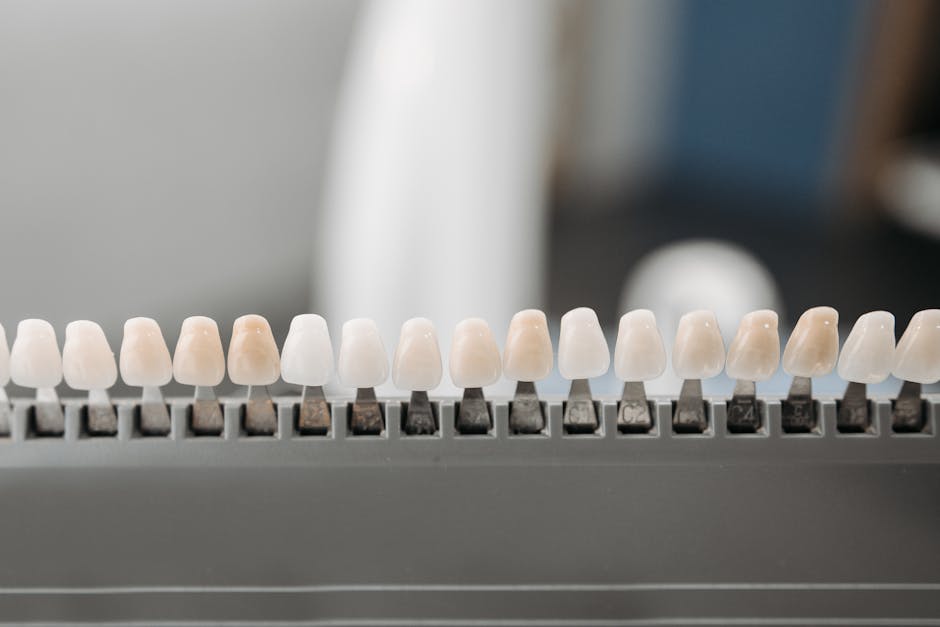
- Aesthetic Goals: The restoration should blend seamlessly with your natural teeth, mimicking the way light passes through natural tooth enamel.
- Opposing Tooth Wear: Some materials are highly durable but can aggressively wear down the natural teeth they bite against.
Historically, patients had to make a strict compromise: choose metal for strength or porcelain for beauty. Fortunately, modern dental technology has evolved. Today, we can offer materials that deliver both outstanding durability and a completely natural appearance.
When evaluating dental bridge material options, we also consider the health of the supporting teeth. If the abutment teeth are already heavily restored, a stronger material might be necessary to provide adequate support. Conversely, if the abutment teeth are pristine, we want to minimize the amount of enamel we remove, which influences our material choice. Every mouth is unique, and our goal in Colorado Springs, CO is to customize your treatment to match your specific oral anatomy.
Comparing the Top Dental Bridge Material Options
Let us take a closer look at the primary materials used in modern dental laboratories. Each has unique physical properties that make it suitable for specific areas of the mouth.
- All-Porcelain and All-Ceramic: These are the aesthetic gold standard. They mimic the translucent qualities of natural teeth beautifully. However, they can be more brittle than other options, making them less ideal for heavy chewing zones.
- Zirconia: This is a modern ceramic material known for its incredible flexural strength. Often called ceramic steel, zirconia is virtually indestructible, making it excellent for both front and back teeth.
- Porcelain-Fused-to-Metal (PFM): For decades, PFM was the industry standard. It features a strong metal alloy interior covered by a beautiful porcelain exterior. It offers a reliable compromise between durability and aesthetics.
- Gold and Metal Alloys: These are the most durable restorations available. Gold is incredibly gentle on opposing teeth and highly resistant to fractures, but its metallic color limits its use to the back of the mouth.
To help you visualize how these compare, you can read through this comprehensive guide on dental bridge costs and types to see how different materials are utilized globally.
Below is a detailed comparison of how these materials perform across key categories:
| Material Type | Aesthetic Quality | Durability & Strength | Gentleness to Opposing Teeth |
|---|---|---|---|
| All-Porcelain | Excellent | Moderate | Good |
| Zirconia | Very Good | Excellent | Moderate to Good |
| PFM | Good | Very Good | Moderate |
| Gold Alloy | Poor | Excellent | Excellent |
Porcelain-Fused-to-Metal (PFM) vs. All-Ceramic Dental Bridge Material Options
If you are trying to decide between a PFM bridge and an all-ceramic alternative, the main battle is between long-term aesthetics and structural design.
A PFM bridge relies on a dark metal framework beneath the porcelain to give it strength. While this metal core makes the bridge highly durable, it presents a significant aesthetic challenge. Because metal is completely opaque, it blocks light from passing through the tooth. This can sometimes give PFM bridges a slightly flat, unnatural appearance compared to natural teeth.
Furthermore, as the years go by, natural gum recession often occurs. When the gums recede around a PFM bridge, the dark edge of the metal framework can become visible at the gumline, creating an unsightly dark line. This is a common complaint among patients who have had older restorations for a decade or more.
In contrast, all-ceramic bridges have no metal core. They allow light to pass through the restoration just like a natural tooth. Even if your gums recede over time, there is no dark metal underneath to be revealed. This makes all-ceramic options the preferred choice for patients who want to maintain a flawless, youthful smile. You can learn more about these structural differences in our guide on understanding dental crowns and bridges.
Zirconia and High-Translucent Dental Bridge Material Options
Zirconia has quickly become one of the most popular dental bridge material options in modern dentistry, and for good reason. It is a biocompatible, metal-free crystal that offers unmatched flexural strength and fracture resistance.
In the past, traditional zirconia was highly opaque and looked somewhat chalky. However, dental material science has advanced rapidly. We now utilize high-translucent zirconia, which blends the extreme durability of classic zirconia with the beautiful, light-reflecting properties of traditional porcelain.
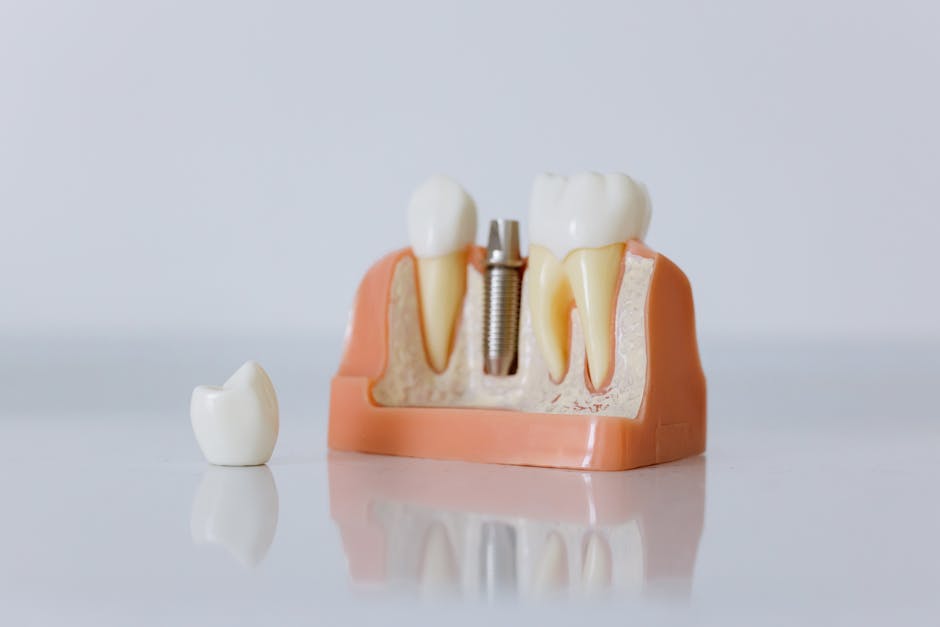
Some of the key benefits of choosing zirconia for your dental bridge include:
- Exceptional Stain Resistance: Zirconia is highly resistant to staining from dark liquids like coffee, tea, and red wine.
- Biocompatibility: It is completely metal-free, making it an ideal choice for patients with metal allergies or sensitivities.
- Minimal Tooth Preparation: Because zirconia is incredibly strong even when thin, your dentist does not need to remove as much natural tooth structure to accommodate the bridge.
If you are looking for a restoration that offers the absolute best of both worlds, zirconia is often the premier choice. For a deeper dive into how this material compares to other restorative treatments, read our article on choosing the right long-term fix.
Material Selection Based on Tooth Location and Bite Force
Where the missing tooth is located in your mouth plays a massive role in determining the best material for your bridge. Your mouth is a complex mechanical system, and the forces applied to your teeth vary wildly from front to back. Understanding these forces helps us select the most appropriate dental bridge material options for your specific case.
Front Teeth (The Aesthetic Zone)
Your front teeth do not experience heavy chewing forces, but they are highly visible when you speak, laugh, and smile. For this reason, aesthetics are the top priority.
For front teeth restorations, we highly recommend all-porcelain or lithium disilicate (often known by the brand name Emax) materials. These materials offer the highest level of translucency, allowing us to match the exact shade, texture, and character of your surrounding natural teeth. When light hits an all-porcelain bridge, it behaves exactly as it would on natural enamel, passing through the surface and reflecting off the deeper layers. This prevents the flat, chalky look that can sometimes occur with less advanced materials.
Back Teeth (The Heavy-Load Zone)
Your molars and premolars are the workhorses of your mouth. They endure immense chewing pressure, sometimes exceeding 200 pounds of force. If we place a delicate all-porcelain bridge on a back molar, the risk of fracture is incredibly high.
For the back of the mouth, we look to high-strength materials:
- Monolithic Zirconia: Provides the strength of metal without the metallic look. It is milled from a single solid block of zirconia, making it highly resistant to chipping and cracking under heavy loads.
- Gold Alloys: The ultimate option for patients who grind their teeth (bruxism), as gold will not chip and is incredibly gentle on the opposing natural teeth. Gold wears at a rate very similar to natural enamel, protecting your bite over time.
- Porcelain-Fused-to-Metal: A reliable, time-tested option for patients who want a tooth-colored option for their molars but need the underlying strength of a metal framework.
If you are unsure whether your specific missing tooth requires a high-strength or high-aesthetic material, you can read our helpful resource on when to consider a dental bridge.
Implant-Supported Bridges vs. Traditional Bridges
When comparing your dental bridge options, it is also important to consider how the bridge is supported. A traditional bridge relies on your natural teeth for support, which means those adjacent teeth must be permanently reshaped to hold the anchoring crowns.
An implant-supported bridge, however, does not rely on natural teeth. Instead, it is anchored directly to titanium dental implants placed in your jawbone.
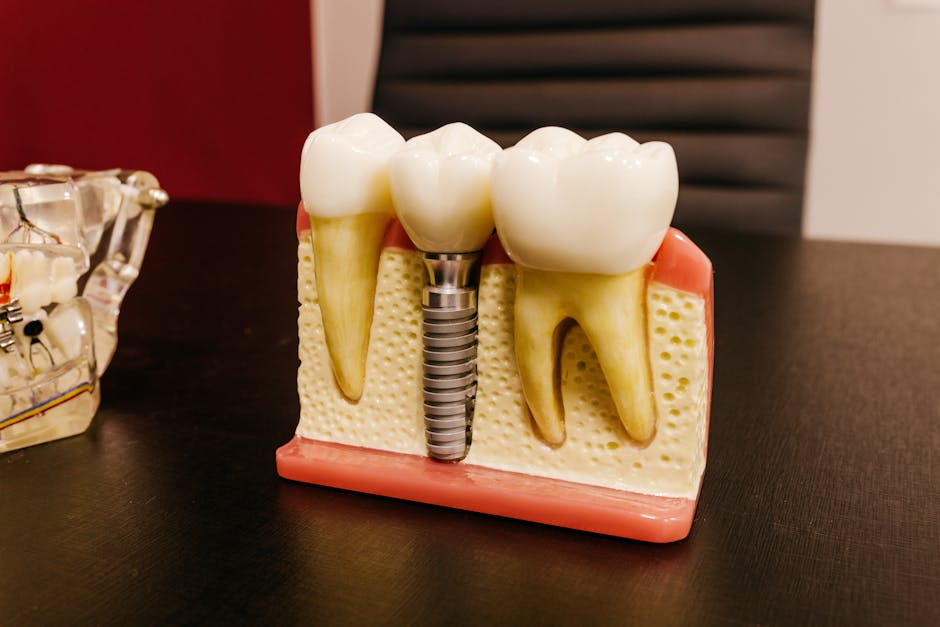
This approach offers several significant advantages:
- Preservation of Natural Teeth: There is no need to grind down healthy adjacent teeth to serve as abutments.
- Jawbone Stimulation: The titanium implants undergo osseointegration, fusing directly with your jawbone. This stimulates the bone and prevents the natural bone loss that occurs when teeth are missing.
- Unmatched Stability: Because they are anchored directly into the bone, implant-supported bridges offer incredible stability and can easily support highly durable zirconia restorations.
Whether you choose a traditional or implant-supported option, selecting the right material remains vital to the long-term success of your restoration. You can read more details on the differences in our comprehensive overview of dental bridges.
Frequently Asked Questions About Dental Bridge Materials
What is the most durable material for a dental bridge?
Gold alloys and zirconia are the most durable materials available today. Gold alloys are virtually indestructible and do not chip or fracture, making them excellent for back molars. Zirconia offers comparable strength but has the added advantage of looking like a natural, tooth-colored restoration.
How long do zirconia dental bridges typically last?
Zirconia dental bridges have a durability rating of 15 or more years. With excellent home care, regular dental cleanings, and the avoidance of habits like ice-chewing or nail-biting, a zirconia bridge can easily last much longer.
Can I get an allergic reaction to dental bridge metals?
Yes, some patients can experience localized gum irritation or systemic reactions to certain metals used in base metal alloys, particularly nickel. If you have a known metal allergy, all-ceramic, all-porcelain, or zirconia bridges are excellent, highly biocompatible alternatives.
Why does a dark line sometimes appear at the gumline of a bridge?
This dark line is typically caused by the metal framework of a porcelain-fused-to-metal (PFM) bridge. If your gums recede over time, the thin metal edge at the base of the crown becomes exposed. Choosing a metal-free option like zirconia or all-ceramic prevents this issue entirely.
Which bridge material is best for replacing front teeth?
All-ceramic and lithium disilicate materials are considered the best choices for front teeth. They offer superior translucency and match the natural color of your teeth perfectly, ensuring your smile looks completely seamless and natural.
Are gold bridges still used in modern dentistry?
Yes, gold alloys are still widely used, particularly for patients who clench or grind their teeth heavily at night. Gold is highly resistant to wear, does not fracture, and is exceptionally gentle on the opposing teeth, making it a fantastic choice for hidden back molars.
How does bite pressure affect the choice of bridge material?
Your back teeth endure much higher chewing forces than your front teeth. High bite pressure requires stronger materials like zirconia, PFM, or gold to prevent the bridge from flexing or cracking under load.
What is the difference between Emax and zirconia bridges?
Emax is made of lithium disilicate, which offers superior translucency and is highly aesthetic, making it perfect for front teeth. Zirconia has higher flexural strength and fracture resistance, making it more suitable for back teeth where bite forces are much stronger.
How do I care for and maintain my dental bridge?
You should brush twice a day and use specialized flossing tools, such as floss threaders or water flossers, to clean thoroughly beneath the artificial tooth (pontic). Preventing plaque buildup at the base of the anchoring teeth is essential for the longevity of your bridge.
Does dental insurance cover all dental bridge material options?
Most dental insurance plans cover a portion of the cost of a standard dental bridge. However, upgraded materials like high-translucent zirconia or all-ceramic options may require an out-of-pocket upgrade fee depending on your specific policy’s coverage limits.
Conclusion
Choosing the right dental bridge material is a highly personalized decision that depends on your aesthetic goals, the location of your missing teeth, your bite force, and your budget.
At Pinnacle Dentistry in Colorado Springs, CO, our certified MAGD dentists are dedicated to providing the highest level of personalized, expert care. We utilize state-of-the-art materials and techniques to craft beautiful, long-lasting restorations that will keep you smiling confidently for decades to come.
If you are ready to restore your smile with a custom-crafted dental bridge, schedule a consultation for dental crowns and bridges with our experienced team today!
