

Why Allergies and Bad Breath Often Go Hand in Hand
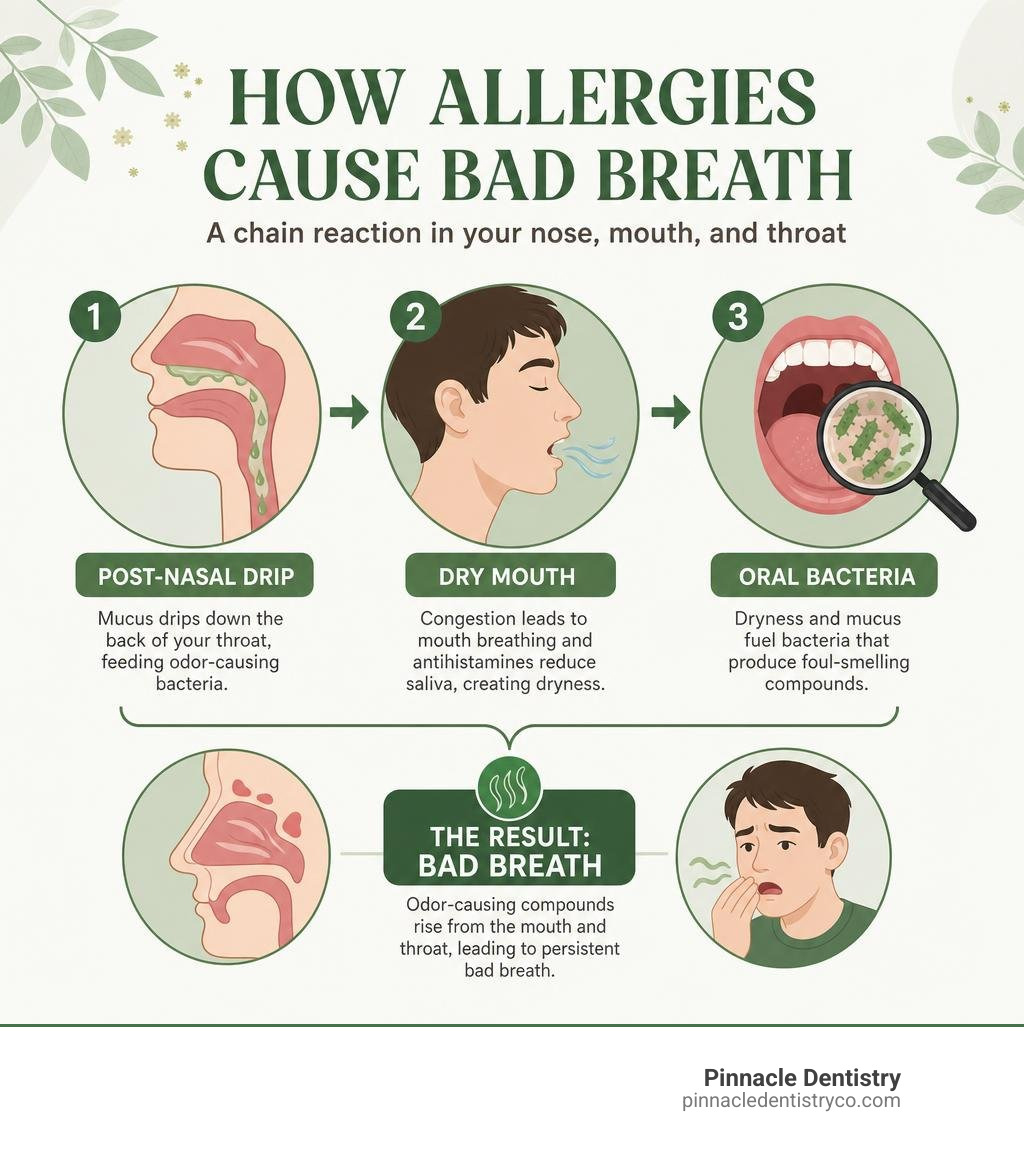
Allergies and bad breath are more connected than most people realize. When your immune system reacts to pollen, pet dander, or dust, it triggers a chain of events in your nose, throat, and mouth that can make your breath smell unpleasant, even if you brush twice a day.
Here is a quick summary of how allergies cause bad breath:
- Post-nasal drip deposits mucus at the back of your throat, giving odor-producing bacteria a food source they thrive on
- Nasal congestion forces you to breathe through your mouth, which dries out your saliva and lets bacteria multiply faster
- Antihistamines block a chemical signal that controls saliva flow, leaving your mouth dry and more prone to odor
- Allergic rhinitis has been shown in research to raise levels of methyl mercaptan and dimethyl sulphide, the volatile sulfur compounds responsible for foul-smelling breath
- Oral microbiome changes in people with allergies differ significantly from those in healthy individuals, with more bacterial pathways linked to breakdown and decay
These factors stack on top of each other. The result is persistent bad breath that mouthwash and mints cannot fully fix because the root cause is coming from your sinuses and immune system, not just your teeth.
I am Dr. Thomas Jennings, founder of Pinnacle Dentistry in Colorado Springs, CO, a general dentist with over 35 years of experience helping patients connect the dots between conditions like allergies and bad breath and their overall oral health. In this guide, I will walk you through exactly what is happening in your mouth during allergy season and what you can do about it.
The Direct Connection Between Allergies and Bad Breath
When we think of seasonal allergies, we usually picture watery eyes, endless sneezing, and a box of tissues nearby. However, as dental professionals serving families in Colorado Springs, CO, we frequently see patients who are frustrated by a less-discussed symptom: chronic halitosis.
To understand why allergies and bad breath are so closely linked, we have to look at what is happening on a microscopic level. When you experience allergic rhinitis (the medical term for hay fever), your body releases histamines to fight off perceived invaders like pollen or mold. This immune response causes inflammation in your nasal passages and triggers an overproduction of mucus.
This inflammatory state directly alters the chemistry of your mouth. In clinical studies, patients with allergic rhinitis exhibited significantly higher levels of volatile sulphur compounds (VSCs), the stinky gases responsible for bad breath, compared to healthy individuals. Specifically, scientists have measured elevated levels of:
- Methyl mercaptan: A gas that carries a pungent, rotten-cabbage odor.
- Dimethyl sulphide: A compound that smells like sweet, decaying organic matter.
These gases are waste products generated by anaerobic bacteria in your mouth. A groundbreaking study on the oral bacteriomes of patients with allergic rhinitis and asthma revealed that individuals with chronic airway allergies have a fundamentally different microbial makeup than healthy controls. Their oral environments show an upregulation of metabolic pathways related to degradation and biosynthesis. Essentially, allergies turn your mouth into an environment where odor-producing bacteria can thrive. When these bacteria break down proteins, they release VSCs, resulting in the persistent condition we clinically diagnose as chronic halitosis.
How Post-Nasal Drip Fuels Allergies and Bad Breath
If there is a primary culprit behind allergy-related bad breath, it is post-nasal drip. Under normal circumstances, your body produces a thin, clear mucus that drains harmlessly down your throat. But when allergies flare up, your sinuses produce an excess of thick, sticky mucus.
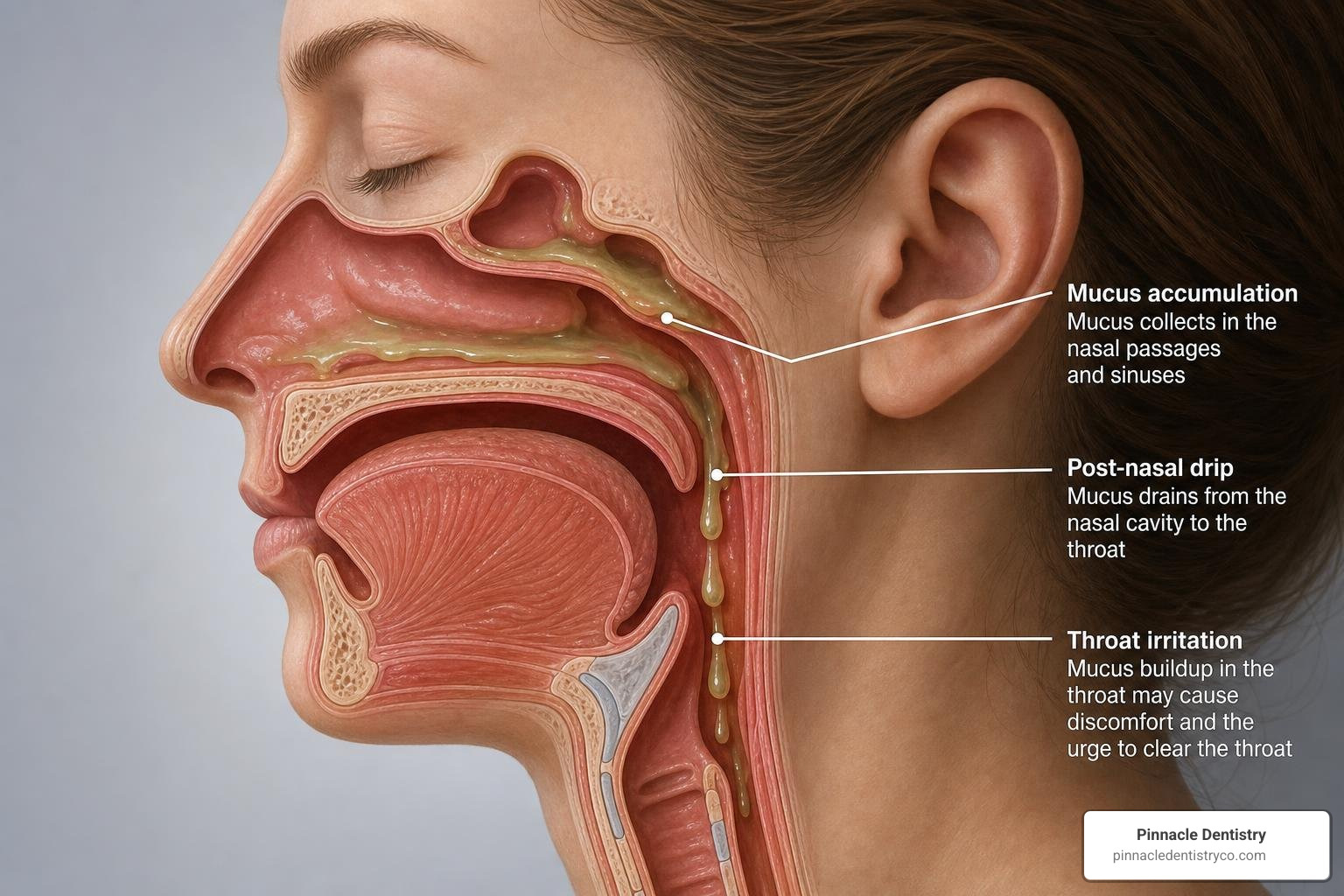
This mucus accumulation creates a slow, steady drip down the back of your throat. For the anaerobic bacteria residing on the very back of your tongue and throat, this is a massive feast. Mucus is rich in proteins, amino acids, and glycoproteins. Bacteria feed on these proteins, breaking them down and releasing VSCs in the process.
Because this bacterial activity occurs deep in the throat, standard brushing and flossing cannot reach it. This is why many allergy sufferers in El Paso County, CO report that their bad breath returns mere minutes after brushing. Chronic rhinitis and post-nasal drip provide a continuous supply of nutrients to these odor-producing bacteria, creating a persistent cycle of halitosis that only subsides when the sinus inflammation is addressed.
Mouth Breathing and Saliva Reduction
Another major contributor to allergy-induced bad breath is nasal congestion. When your nasal passages are swollen and blocked, your body naturally switches to mouth breathing to maintain oxygen flow, especially while you sleep.
Mouth breathing has a rapid, drying effect on the oral cavity. It evaporates your saliva, leading to a condition we call dry mouth. Saliva is your mouth’s most powerful natural defense system. It contains essential antimicrobial properties, enzymes, and antibodies that wash away food particles, neutralize acids, and keep bacterial populations in check.
When saliva flow is reduced, you lose this natural cleansing mechanism. Without saliva to rinse them away, bacteria multiply rapidly, adhering to your teeth, gums, and tongue. This bacterial overgrowth leads to plaque accumulation, gum irritation, and a highly concentrated buildup of foul-smelling VSCs. If you frequently wake up with a sticky, dry mouth and severe morning breath during high-pollen seasons, you are likely experiencing chronic dry mouth syndrome driven by nighttime mouth breathing.
How Allergy Medications Impact Saliva Flow
In an effort to find relief from sneezing and congestion, many people reach for over-the-counter allergy medications. While these drugs are highly effective at drying up runny noses, they often make your bad breath worse by severely reducing saliva flow.
Antihistamines work by blocking histamine receptors, but many of them also have systemic “anticholinergic” effects. This means they block acetylcholine, a chemical messenger that signals your salivary glands to produce saliva. The result is a sudden drop in salivary flow, leaving you with a parched mouth.
Decongestants can have a similar effect by narrowing blood vessels throughout your body, including those that supply the salivary glands. This dual-action drying effect makes your oral tissues highly vulnerable to bacterial colonization. If you are taking daily allergy medications and noticed a sudden onset of bad breath, you may be experiencing medication-induced xerostomia, which is the clinical term for dry mouth.
The Role of the Oral Microbiome in Allergic Individuals
Our mouths are home to a complex ecosystem of over 700 species of bacteria, known as the oral microbiome. In a healthy mouth, beneficial bacteria keep harmful, odor-producing strains in check. However, chronic allergies can disrupt this balance, leading to oral dysbiosis (an unhealthy microbial imbalance).
Medical research on the oral immunomodulatory role of oral microbiota suggests that the state of your oral microbiome is deeply connected to your immune system and respiratory health. In patients with chronic allergies, the bacterial networks in the mouth actually become simpler, with fewer connections between species, allowing opportunistic, odor-producing bacteria to dominate.
This shift in the microbiome does more than just cause bad breath; it can also affect your oral immune tolerance. When the microbiome is out of balance, your gums are more susceptible to inflammation, and your body’s ability to defend against oral pathogens is compromised. Managing your allergies is not just about clearing your nose; it is about restoring peace and balance to your oral microbiome.
Identifying the Signs of Allergy-Related Halitosis
How do you know if your bad breath is actually caused by allergies, or if it is a sign of a dental issue? Allergy-related halitosis typically presents with a specific cluster of symptoms:
- Frequent throat clearing: The sensation of mucus stuck in the back of your throat.
- A bitter or metallic taste: Caused by the breakdown of proteins in mucus by throat bacteria.
- A dry, scratchy, or irritated throat: Worsened by mouth breathing and lack of saliva.
- Seasonal flare-ups: Bad breath that seems to appear or worsen during high-pollen seasons in Colorado Springs, CO.
- Morning breath severity: Waking up with an exceptionally dry, sticky mouth and strong odor.
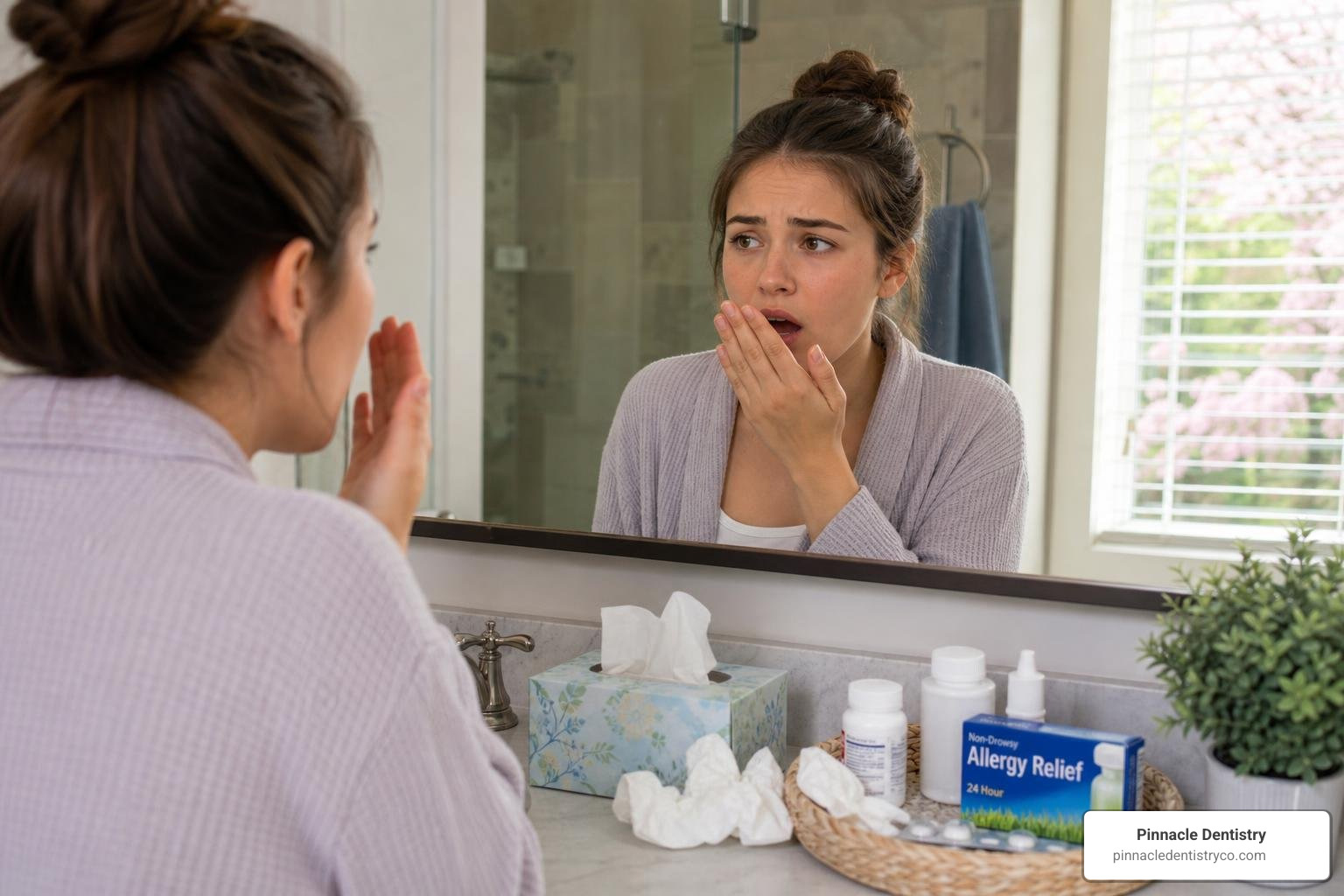
If your bad breath is accompanied by these symptoms, and if it persists despite an excellent brushing and flossing routine, allergies are the likely culprit.
Distinguishing Allergy Symptoms from Dental Infections
While allergies are a common cause of bad breath, it is critical to distinguish sinus-related symptoms from active dental infections. Because your upper molars sit directly beneath your maxillary sinuses, sinus inflammation can put pressure on the tooth roots, mimicking a severe toothache.
You can often tell the difference by paying attention to how the pain behaves. If your tooth pain changes when you bend over, lie down, or stand up, it is likely due to shifting fluid and pressure in your sinuses. However, if the pain is localized to a single tooth, is highly sensitive to hot or cold, or is accompanied by swollen, bleeding gums, you may be dealing with a cavity, root infection, or periodontal disease.
Understanding that oral health is important for overall health means recognizing when a sinus issue is affecting your teeth, and when an actual dental problem needs immediate attention from our team in Briargate, CO.
Practical Strategies to Manage Seasonal Bad Breath
If you are struggling with allergy-induced bad breath, there are several highly effective steps you can take at home to find relief. The goal is twofold: manage your allergy symptoms to reduce mucus production, and keep your mouth hydrated to support natural saliva flow.
Home Remedies for Allergies and Bad Breath
To combat the drying effects of allergies and their medications, try incorporating these simple lifestyle habits into your daily routine:
- Prioritize hydration: Sip water consistently throughout the day to wash away bacteria and keep oral tissues moist.
- Use a neti pot or saline nasal spray: Rinsing your nasal passages with sterile saline helps flush out allergens and thins out thick mucus, reducing post-nasal drip.
- Run a cool-mist humidifier: Keeping the air humid, especially in your bedroom at night, prevents your throat and mouth from drying out while you sleep.
- Gargle with warm salt water: A simple saltwater gargle can soothe a scratchy throat, loosen mucus, and naturally reduce oral bacteria.
- Chew natural breath fresheners: Herbs like fresh parsley, mint, or cardamom pods can help neutralize odors temporarily without the drying alcohol found in many commercial products.
When selecting a mouthwash to help rinse away mucus, always choose an alcohol-free mouth rinse. Alcohol is a drying agent that will worsen dry mouth, ultimately leading to more bacteria and stronger odors over time.
Advanced Oral Hygiene and Tongue Scraping
While standard brushing is essential, it is often not enough to clear the bacteria responsible for allergy-related halitosis. Because odor-producing bacteria love to hide in the deep grooves and papillae of your tongue, adding a tongue scraper to your routine can make a massive difference.
Studies show that proper tongue cleaning can reduce VSCs by up to 75%, compared to just a 45% reduction from brushing your teeth alone.
| Feature | Tongue Scraping | Toothbrushing |
|---|---|---|
| Primary Target | Removes bacterial biofilm and mucus from the tongue’s surface | Cleans dental plaque from enamel and gumlines |
| VSC Reduction | Up to 75% reduction in volatile sulfur compounds | Around 45% reduction in oral malodor |
| Effectiveness | Highly effective at lifting sticky mucus from throat drip | Can push bacteria deeper into tongue papillae |
| Gag Reflex | Generally lower when using a flat, dedicated scraper | Higher due to the bulkiness of the brush head |
To get the most out of your routine, scrape your tongue gently from back to front every morning before eating or drinking. Following this up with thorough flossing and gentle brushing is a cornerstone of how good dental hygiene can boost your overall health.
When to See a Professional for Persistent Halitosis
Most cases of seasonal bad breath will improve with consistent hydration, allergy management, and tongue scraping. However, if your bad breath persists for several weeks despite these efforts, it is time to seek professional care.
Persistent halitosis can be an early warning sign of underlying dental issues, such as deep-seated gum disease, decay, or failing restorations that trap bacteria. It can also point to chronic sinusitis, tonsil stones, or other medical conditions that require the attention of an ENT specialist or your primary care physician. We are always here to help you identify the surprising causes of bad breath and create a personalized treatment plan to restore your confidence.
Frequently Asked Questions About Seasonal Halitosis
Can seasonal allergies cause bad breath?
Yes. Seasonal allergies trigger allergic rhinitis, which leads to post-nasal drip and nasal congestion. The excess mucus provides a food source for bacteria, while nasal congestion forces mouth breathing, drying out saliva and allowing odor-causing bacteria to multiply.
How does post-nasal drip cause halitosis?
Post-nasal drip occurs when excess mucus drains down the back of the throat. This protein-rich mucus accumulates on the back of the tongue and throat, creating an ideal breeding ground for anaerobic bacteria that release foul-smelling volatile sulfur compounds.
Do antihistamines make your breath smell bad?
Yes, they can. Many antihistamines have anticholinergic side effects, meaning they block the chemical signals that trigger saliva production. This leads to dry mouth, which prevents your body from naturally washing away odor-producing bacteria.
How can I tell if my bad breath is from allergies or poor hygiene?
If your bad breath is accompanied by throat clearing, a metallic taste, or a dry throat, and it worsens during high-pollen seasons despite regular brushing and flossing, it is likely driven by allergies rather than poor hygiene.
Does drinking water help with allergy-induced dry mouth?
Absolutely. Staying well-hydrated helps stimulate salivary flow, thins out thick mucus from post-nasal drip, and physically washes away food particles and bacteria that accumulate when your mouth is dry.
Can sinus pressure from allergies cause tooth pain?
Yes. The roots of your upper molars sit extremely close to your maxillary sinuses. When allergies cause these sinuses to become inflamed and filled with fluid, the resulting pressure can cause referred pain in your upper teeth.
What is the best way to clear mucus that causes bad breath?
Rinsing your nasal passages with a neti pot or saline spray, staying highly hydrated, and gargling with warm salt water are the most effective ways to thin out and clear the mucus that feeds throat bacteria.
Can probiotics help reduce allergy-related bad breath?
Yes. Oral probiotics containing beneficial strains like Streptococcus salivarius K12 can help restore balance to your oral microbiome, actively competing with and reducing the population of VSC-producing bacteria.
How does mouth breathing during sleep affect morning breath?
Nasal congestion from allergies forces you to breathe through your mouth while sleeping. This evaporates saliva, leading to nocturnal dry mouth and an explosion of bacterial growth, resulting in severe morning breath.
When should I see a dentist in Colorado Springs, CO for bad breath?
You should schedule a dental visit if your bad breath persists for more than a few weeks despite improved hygiene and allergy management, or if you experience localized tooth pain, bleeding gums, or difficulty swallowing.
Conclusion
At Pinnacle Dentistry, we believe that a healthy smile goes hand-in-hand with a comfortable, confident life. Managing the frustrating cycle of allergies and bad breath does not have to be a guessing game. By understanding how post-nasal drip, dry mouth, and medication side effects impact your oral health, you can take proactive steps to keep your breath fresh all year long.
Our highly trained team, led by certified MAGD dentists (a distinction held by less than 2% of general dentists nationwide), is proud to offer personalized, compassionate preventative and restorative care to families across Colorado Springs, CO, Briargate, CO, and El Paso County, CO. If seasonal allergies are taking a toll on your comfort or your confidence, we are here to help you find lasting relief. To take the first step toward a healthier, fresher smile, contact us today to book your appointment at our state-of-the-art office on Research Parkway.