


Finding a Tooth Filling Near Me: What You Should Know First
If you’re searching for a tooth filling near me, here is what you need to know right away. A filling is a common restorative treatment that removes decayed tooth material and seals the prepared area with a durable material. Many fillings are completed in one visit, although the dentist will review the tooth and discuss the appropriate plan before treatment. The goal is to address the affected tooth while preserving as much healthy tooth structure as possible.
A filling visit should begin with a conversation about your concerns, your dental history, and any symptoms you have noticed. Some cavities cause no discomfort, while others may be associated with sensitivity, a rough spot, or discomfort when chewing. These signs do not confirm a specific problem on their own, so see your dentist for an examination. If you have urgent swelling, fever, or dental trauma, call the office or go to the ER.
For families in Colorado Springs, CO, choosing a local general and family dental practice can make it easier to keep up with routine visits and follow-up care. Pinnacle Dentistry provides dental fillings as part of a thoughtful approach to restoring teeth affected by decay. A dentist can explain the material options, answer questions about comfort, and help patients understand what to expect before care begins.
I’m Dr. Thomas Jennings, DDS, MAGD, a Colorado Springs, CO dentist with over 35 years of experience, and I’ve spent my career helping families find a trusted tooth filling near me option that is comfortable, conservative, and built around their needs. In this guide, I’ll explain how fillings work, the materials that may be considered, and the role of regular care in protecting your smile.
What Is a Tooth Filling and Why Do You Need One?
A dental filling restores a tooth after a dentist removes decayed tooth material and prepares the area for a restoration. Decay develops when bacteria in plaque produce acids that can weaken enamel over time. During an exam, your dentist evaluates the tooth and recommends care based on what is found. A filling is one possible treatment when it is appropriate for the amount and location of tooth damage.
medlineplus cavities guide explains that dentists fill teeth by removing decayed material and replacing it with a material such as composite resin, glass ionomer, or amalgam. It also notes that composite resin is often preferred because it can match the natural tooth and is strong enough for use throughout the mouth. MedlinePlus further explains that cavities may not hurt unless they become quite large, which is one reason routine exams matter.
Recognizing the Signs of Tooth Decay
Tooth sensitivity, a visible dark area, a rough edge, discomfort with chewing, or food catching repeatedly in one place can be reasons to schedule an exam. These symptoms can have more than one cause and should not be used to diagnose a cavity at home. See your dentist if you notice a change in how a tooth feels or functions. A clinical examination, and imaging when appropriate, helps the dentist determine the next step.
Regular preventive care gives a dentist the opportunity to identify changes before they become more involved. The CDC reports in its about oral health resource that almost all adults 20 or older, 90% or more as age increases, have had cavities in their permanent teeth. That prevalence makes consistent checkups an important part of long-term oral health. At Pinnacle Dentistry, the focus is on clear information and practical care recommendations for Colorado Springs, CO families.
Why Early Cavity Detection Matters
Early attention can allow a dentist to discuss conservative options when a tooth needs care. Natural tooth structure does not grow back once it is lost, so treatment planning often aims to preserve sound enamel and dentin whenever possible. This is one reason dentists monitor existing fillings as well as untreated areas of concern. The right approach depends on the tooth, the extent of damage, and the patient’s overall oral health.
The philosophy of biomimetic dentistry emphasizes preserving and rebuilding teeth in a way that respects their natural structure and function. In practical terms, it supports careful evaluation and conservative treatment planning when appropriate. It does not replace a thorough examination, and it does not promise a particular outcome. If you have persistent symptoms, see your dentist rather than waiting for them to resolve on their own.
Exploring Your Dental Filling Options
When you are considering a tooth filling near me, the dentist will look at the affected tooth, its location, the amount of remaining structure, and how the tooth functions when you bite. Different materials may be appropriate in different situations. The best option is not determined by appearance alone, and a consultation is the right time to discuss questions about function, comfort, and long-term maintenance. A personalized recommendation begins with an examination rather than a one-size-fits-all answer.
Treatments in restorative dentistry are intended to restore the function and appearance of teeth that have been affected by decay, wear, or damage. Fillings are among the most common restorative options because they can rebuild a prepared area without covering the whole tooth. Your dentist can explain which materials are suitable and why. This discussion should include your oral health needs and any concerns you have about appearance or sensitivity.
The Benefits of Tooth-Colored Composite Fillings
A composite filling uses a tooth-colored resin material that can be shaped to blend with the surrounding tooth. It is often considered when patients want a natural-looking restoration and when a dentist determines it is appropriate for the tooth. Composite material bonds to the prepared tooth, which may support a conservative approach to removing tooth structure. The final result depends on the condition of the tooth, the size of the restoration, and the dentist’s treatment plan.
For a closer look at the aesthetic and practical considerations, this overview of tooth-colored fillings explains why they are widely used in modern family dentistry. Composite fillings do not contain mercury. They can be used in many areas of the mouth, but a dentist should evaluate whether the material is suitable for the specific tooth. Patients should feel comfortable asking about appearance, chewing forces, and care expectations before treatment.
Traditional Dental Amalgam and Other Materials
Dental amalgam is a metal alloy that has been used for fillings for many years. It has a silver appearance and does not match natural tooth color, so some patients prefer a tooth-colored option when one is appropriate. Ceramic restorations can also be considered in some circumstances and are typically made outside the mouth before placement. The material discussion should stay focused on the needs of the individual tooth rather than broad claims about what is best for every patient.
Other materials may be discussed depending on the clinical situation, but a filling recommendation should always follow a professional evaluation. Your dentist can explain the advantages and limitations of each option in plain language. If a tooth is cracked, heavily damaged, or affected by another concern, a filling may not be the recommended treatment. That is why an exam is essential before deciding how to proceed.
What To Expect During Your Appointment and Recovery
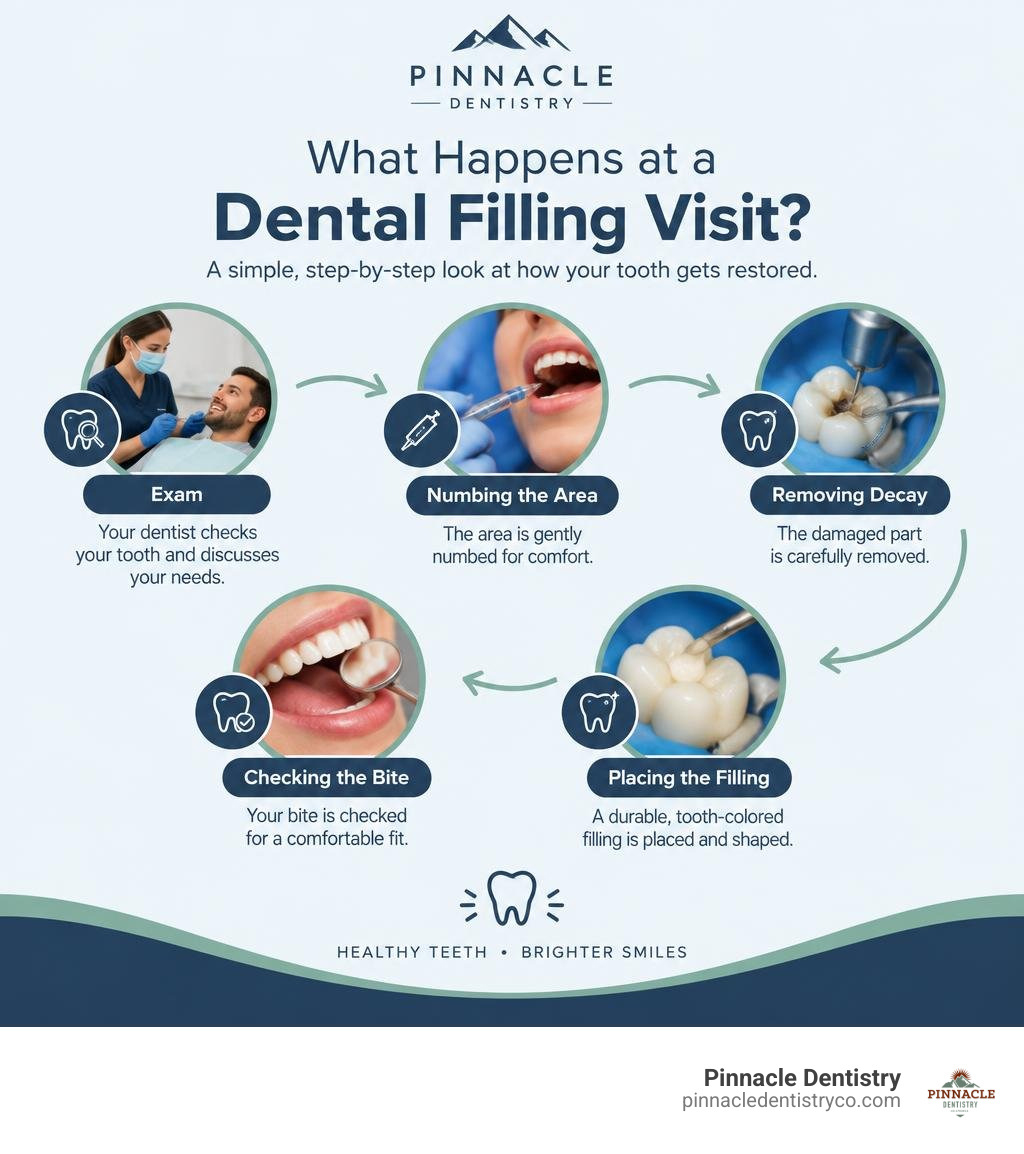
A filling appointment starts with an evaluation of the tooth and a conversation about the treatment plan. Your dentist will review the area that needs attention, answer questions about the materials being considered, and explain the steps before beginning. Local anesthetic may be used to numb the treatment area, and the dental team can pause if you need a break or have a question. Comfort is important, but every patient’s experience and clinical needs are different.
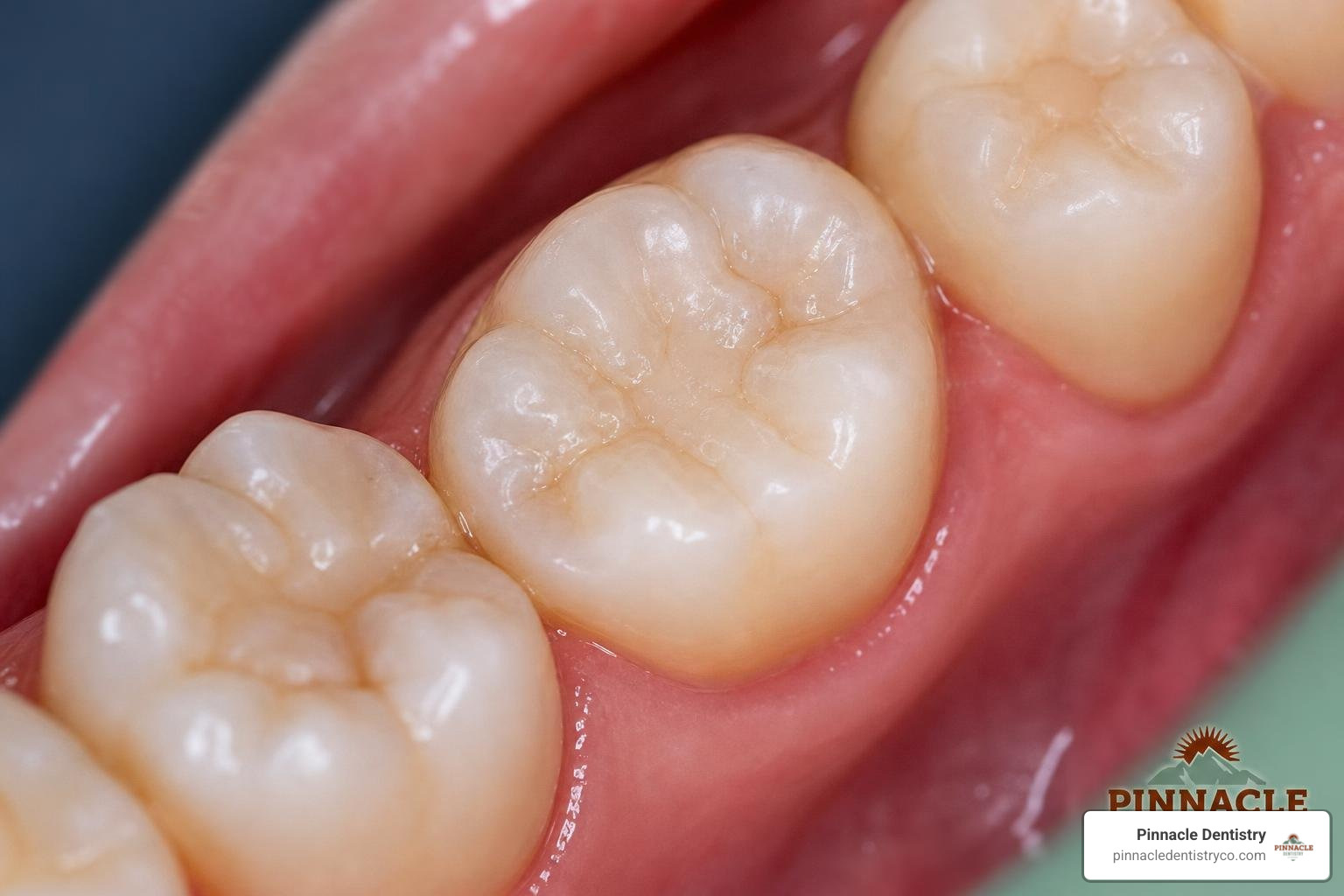
After the tooth is prepared, the dentist places the selected material and shapes it to fit the tooth. For a composite restoration, the material is placed in stages and hardened with a dental curing light. The dentist then checks how the tooth meets the opposing teeth and makes adjustments as needed. This process is designed to help the filling fit naturally with your bite.
What Happens During a Filling Appointment
The exact sequence varies based on the tooth and the type of restoration, but patients can usually expect a careful, step-by-step visit. First, the dentist examines the tooth and confirms the treatment plan. Next, the affected area is prepared, the restoration is placed, and the bite is checked. Before you leave, the office can review any questions you have about normal post-treatment sensations and when to call for further guidance.
If you experience symptoms before an appointment, see your dentist rather than trying to identify the cause on your own. A tooth that feels sensitive, rough, or uncomfortable with chewing needs professional evaluation. Urgent swelling, fever, or trauma needs prompt attention, so call the office or go to the ER. This is especially important when symptoms are severe or getting worse.
Caring for Your Filling Long Term
After a filling, routine oral hygiene and regular dental visits remain important. Brush with fluoride toothpaste, clean between teeth as recommended by your dental team, and keep scheduled checkups so the dentist can monitor the restoration and surrounding tooth. Avoid using teeth to open packages or bite hard non-food objects, since that can damage natural teeth as well as restorations. If a filling feels rough, loose, or different when you bite, see your dentist for an evaluation.

Fillings can last many years with consistent care and regular checkups, but they should still be examined as part of routine dental care. Older restorations can wear, chip, or develop gaps at the edges, and only an examination can show whether repair or replacement is needed. Pinnacle Dentistry serves patients in Colorado Springs, CO with general and family dental care that keeps the focus on prevention, clear explanations, and appropriate follow-up. If you have a concern about a filling, the safest next step is to see your dentist.
Frequently Asked Questions About Dental Fillings
Does getting a tooth filling hurt?
A filling visit is usually managed with local anesthetic so the treatment area can be kept comfortable. You may notice pressure or vibration while the dentist works, but your dental team should know if you feel uncomfortable. Every visit is different, so discuss anxiety, previous experiences, and comfort concerns before treatment begins.
How do I know if I need a filling?
Sensitivity, a dark spot, a rough area, discomfort while chewing, or food catching in the same place can be reasons to schedule an exam. Those changes do not confirm a cavity or another condition without an evaluation. See your dentist so the tooth can be examined and the appropriate next step can be discussed.
What should I do if my new filling feels high when I bite down?
A filling that feels uneven when you close your teeth may need an adjustment. Contact your dentist so the bite can be checked rather than trying to wait it out or change your chewing habits. A professional evaluation can determine whether the restoration needs attention.
How long do tooth-colored fillings last?
Tooth-colored fillings can last many years with good oral hygiene and regular dental checkups. Their longevity depends on factors such as the size and location of the restoration, bite forces, and the condition of the surrounding tooth. Your dentist can monitor the filling during routine visits and advise you if changes are needed.
Are composite fillings as strong as silver amalgam fillings?
Composite fillings can be a strong option for many restorations when a dentist determines they are appropriate. Amalgam and composite have different properties, appearances, and clinical uses. Your dentist can explain which material may be suitable for the specific tooth and the forces it handles when chewing.
Why does my tooth feel sensitive to cold after a filling?
Some patients notice temporary sensitivity after a filling, especially when the treated area was close to the inner part of the tooth. If sensitivity persists, worsens, or is paired with swelling or severe discomfort, see your dentist. An examination is the right way to determine whether the tooth or restoration needs further attention.
What happens if I ignore a small cavity?
Decay can continue to affect more of the tooth if it is not evaluated and treated when needed. The amount of treatment a tooth needs depends on its condition, which can only be determined through an examination. If you suspect a cavity, see your dentist rather than delaying care.
Can an old filling be replaced?
An older filling may need to be evaluated if it is worn, chipped, loose, or associated with new symptoms. A dentist can check the restoration and the surrounding tooth to determine whether repair or replacement is appropriate. Do not assume a filling needs replacement based on age alone.
Can a filling fall out, and what should I do if it does?
A filling can loosen or come out if the restoration or tooth changes over time. Keep the area clean and contact your dentist promptly for guidance and an evaluation. If there is urgent swelling, fever, or trauma, call the office or go to the ER.
How can I prevent new cavities after a filling?
Consistent brushing with fluoride toothpaste, cleaning between teeth, and regular dental visits help support oral health after a filling. Limiting frequent exposure to sugary foods and drinks may also be part of a dentist’s prevention guidance. Your dental team can recommend a routine that fits your individual needs.
Conclusion
A dental filling can be an important part of caring for a tooth affected by decay, but the right treatment begins with an examination and an informed conversation. If you notice sensitivity, discomfort with chewing, a visible change in a tooth, or another concern, see your dentist. Prompt evaluation can give you clear information about what is happening and which options may be appropriate. For urgent swelling, fever, or trauma, call the office or go to the ER.
At Pinnacle Dentistry in Colorado Springs, CO, the team has been serving patients since 1989 with general and family dental care. Dr. Thomas Jennings is a Master of the Academy of General Dentistry (MAGD). Patients can expect a respectful discussion of their concerns, a careful examination, and recommendations based on their individual needs.
If you are in Colorado Springs, CO and have questions about a possible filling or an existing restoration, contact our office to schedule a visit with Pinnacle Dentistry. The team can help you understand the next appropriate step for your dental care.
Pinnacle Dentistry, 2430 Research Pkwy Suite 200, Colorado Springs, CO 80920, (719) 590-7100