


Why Children’s Dental Services Matter From the Start
For many families, childrens dental services include preventive checkups, cleanings, fluoride, sealants, treatment for dental concerns, and guidance that helps families protect a child’s smile as it grows. At a local general and family dental practice, our dentists see children from newborns through the teen years and help families build a familiar dental routine. Regular visits let the dentist follow oral development and discuss questions before they become more concerning.
The cdc oral health tips state that cavities are the most common chronic disease of childhood in the United States and that more than half of children ages 6 to 8 have had a cavity in at least one baby tooth. The CDC also advises taking a baby to the dentist by the first birthday. Early visits help the dentist monitor tooth eruption, jaw growth, bite changes, and habits that can affect oral health.
Baby teeth matter because they support chewing, speech, and space for permanent teeth. Starting visits early can make the dental office feel more familiar as a child grows. It also gives parents a reliable place to ask questions about everyday children’s dental care.
For busy families in Colorado Springs, CO, the challenge is finding care that fits a child’s comfort level and stage of development. Our children’s dentistry services are provided within a family dental setting, so children can receive care alongside the people they know and trust. This guide explains what to expect and when to see your dentist.
I am Dr. Thomas Jennings, DDS, MAGD, a Colorado Springs, CO dentist with over 35 years of experience providing family-focused care, including children’s dental care. I value giving parents clear, practical information so they can feel prepared for each stage of their child’s dental visits. In the sections ahead, I will explain the services and questions that commonly matter from infancy through the teen years.
How childrens dental services support every stage of development
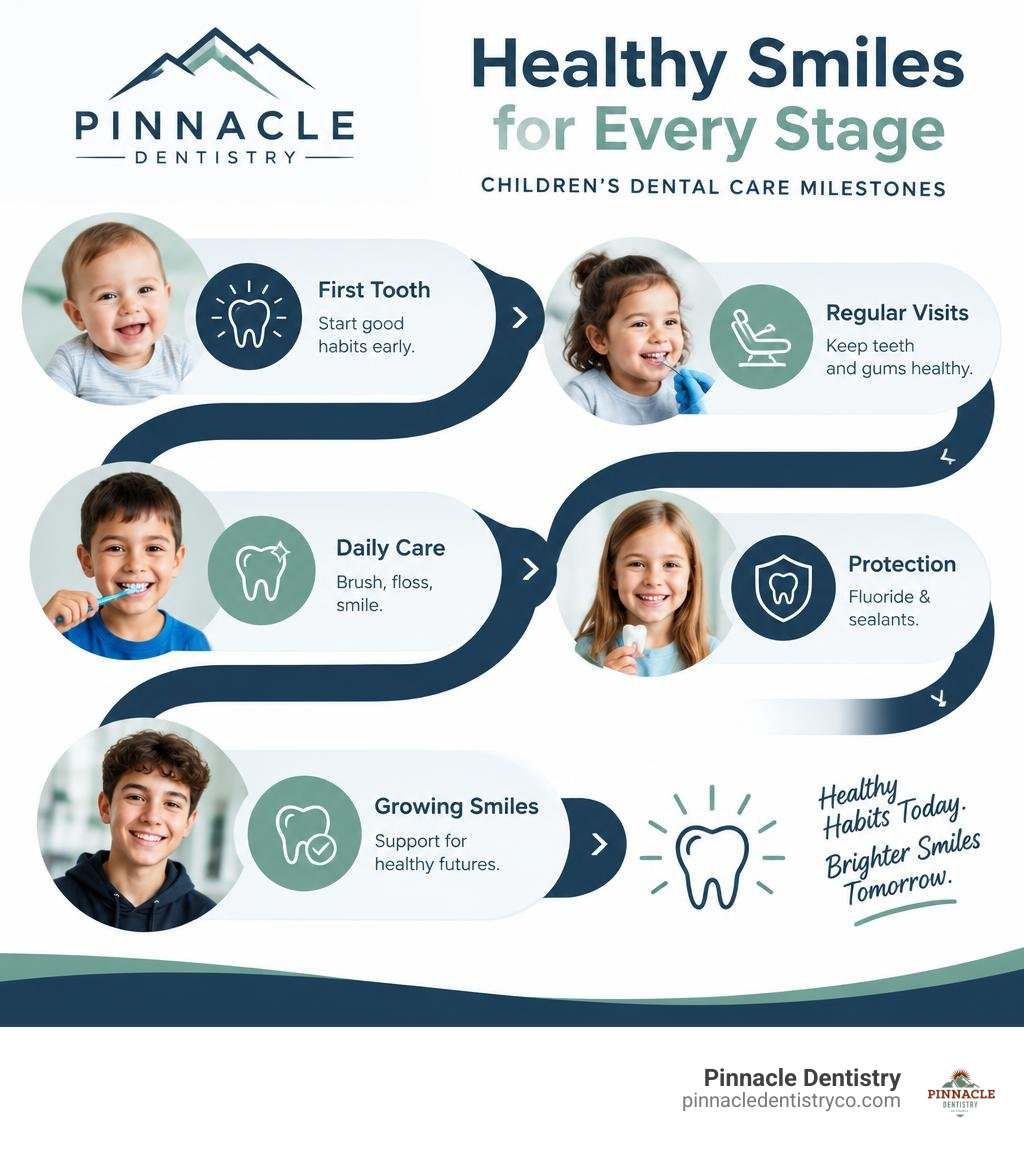
Children experience rapid physical changes from infancy through adolescence, and their mouths are no exception. This overview of childrens dental services explains how children’s dental care can help the dentist monitor development, protect primary teeth, and guide families as permanent teeth begin to emerge. Protecting primary teeth supports comfortable chewing, clear speech, and appropriate space for adult teeth.
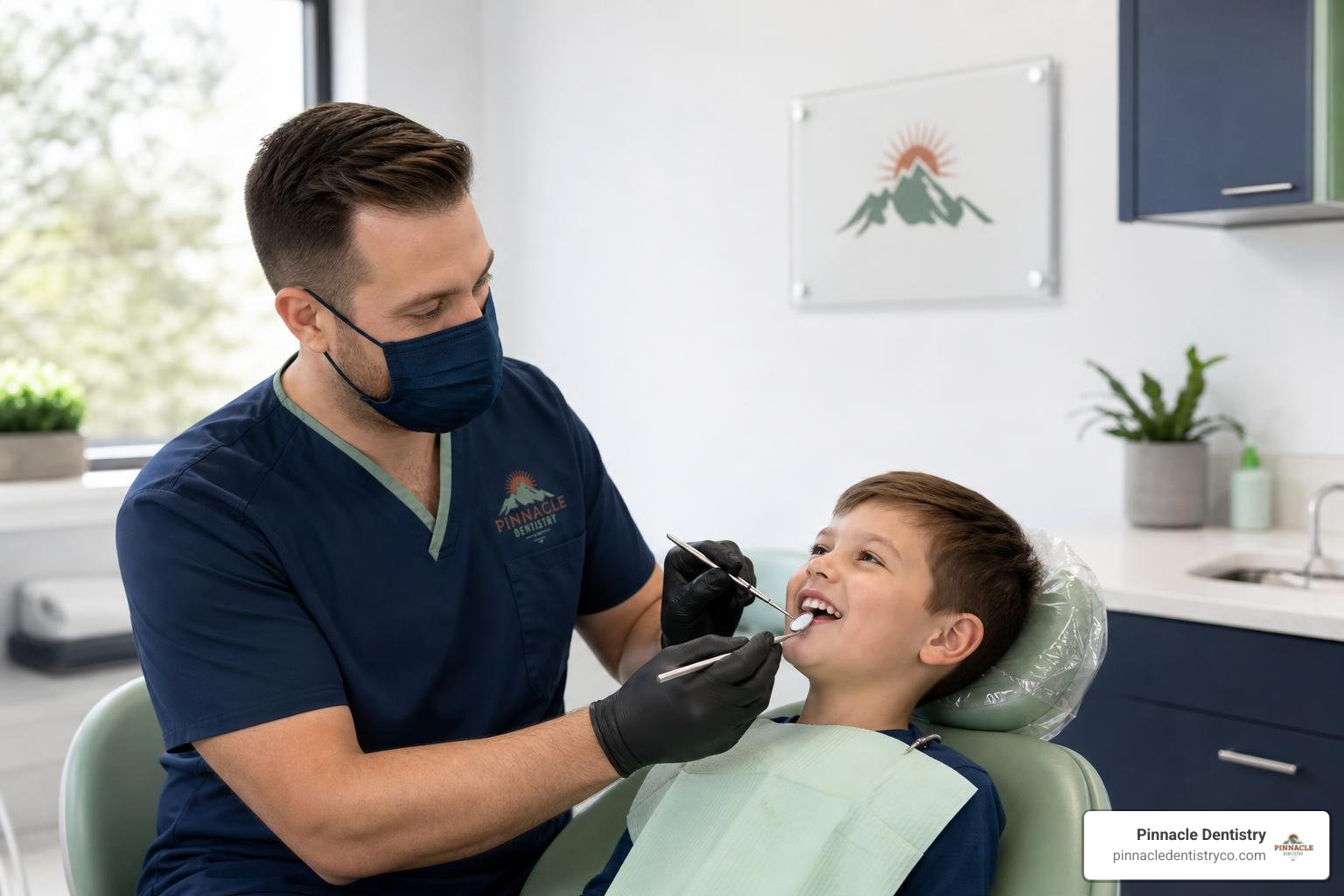
As young jaws expand, the dentist can watch for early signs of crowding and evaluate how the teeth and soft tissues are developing. Care changes with each stage, from early visits and parent guidance to prevention for newly erupted adult teeth. As children grow, the dentist can also check how the bite is developing and talk about protecting teeth during sports.
Preventive and Restorative Care
preventive care helps children maintain healthy teeth as their needs change. Routine cleanings remove buildup that brushing may miss, while examinations help the dentist identify concerns that need attention. Dental X-rays may be recommended when they are appropriate for a child’s individual dental needs.
Fluoride treatments may help strengthen enamel, and dental sealants can help protect the chewing surfaces of back teeth. The CDC states that applying dental sealants to the back teeth prevents 80% of cavities. Consistent preventive dentistry gives the dentist an opportunity to recommend care based on what a child needs.
When a child has a dental concern, the dentist can examine it and explain the appropriate options to a parent or caregiver. Treatment may include a filling, a protective crown, or another service based on the tooth and the child’s needs. Families should see their dentist rather than trying to diagnose a concern at home.
Dental Emergencies in Children
Accidents can happen on playgrounds, sports fields, or at home. Our team can help families decide when emergency dental care is needed for a dental concern. Urgent swelling, fever, or trauma requires a call to the office or a visit to the emergency room.
- Severe toothaches, swelling, or fever: These symptoms should be evaluated by a dentist. Call the office, and go to the emergency room for urgent symptoms.
- Knocked-out permanent teeth: Keep the tooth moist, bring it with you, and call the office right away. If the office is closed or the injury is serious, go to the emergency room right away.
- Chipped, fractured, or displaced teeth: A dentist can assess the injury and recommend the next step. Avoid trying to diagnose the severity at home.
- Soft-tissue injuries: Trauma to the lips, cheeks, or tongue may need urgent evaluation. Call the office or go to the emergency room when the injury is serious.
Early Oral Care and Your Child’s First Dental Visit
Establishing an early dental home gives a child a familiar place for routine care. The CDC advises taking a baby to the dentist by the first birthday. Starting early also helps parents build a relationship with a dental team they can call when questions arise.
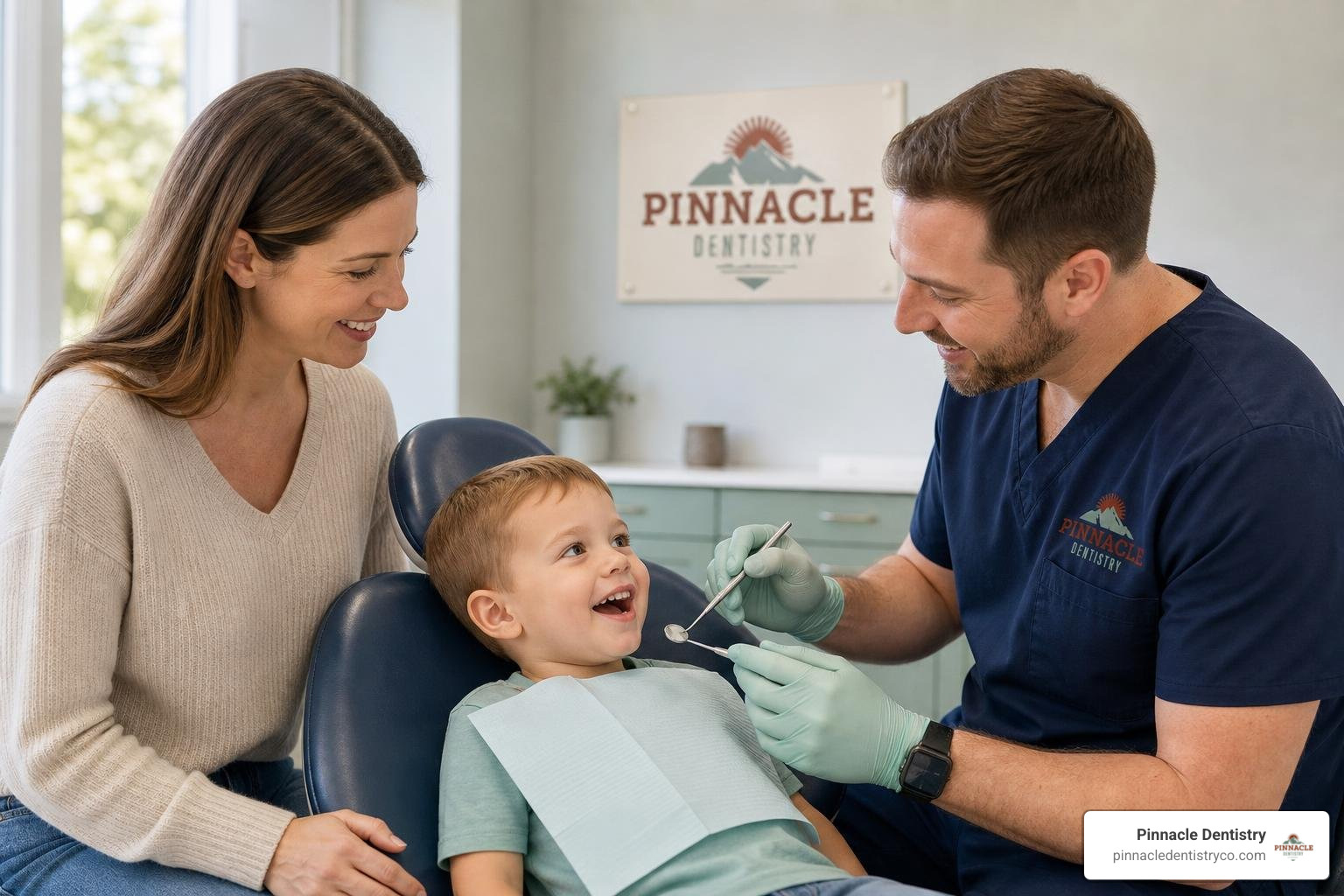
Starting early can help children become familiar with the sights, sounds, and people in a dental office. These visits also give parents time to ask about daily habits and oral development. If a child has symptoms or a dental concern, see your dentist for guidance.
The First Checkup and What to Expect
A child’s first dental visit is designed to be welcoming, educational, and age-appropriate. For infants and toddlers, the dentist may use a parent-supported exam position to help the child feel secure. The visit gives the dental team a chance to look at early tooth development and answer parent questions.
During an early visit, the dentist examines erupting teeth, the soft tissues, and jaw development. The medlineplus child dental health guidance recommends cleaning a baby’s teeth with a soft, clean cloth or baby toothbrush, avoiding bedtime bottles, and limiting sweet snacks and drinks. It also notes that a pea-sized amount of fluoride toothpaste can begin at age two, or sooner when a dentist or doctor suggests it.
Why Many Families Choose a Family Dentist for Children
Many families value having one dental home for children, parents, and other family members. A family dentist can provide care from a child’s first visit through the teen years while keeping the focus on the child’s changing needs. This continuity can make routine appointments feel more familiar over time.
At Pinnacle Dentistry, our dentists provide comprehensive family care for patients of all ages in Colorado Springs, CO. When a child needs care outside the scope of a family dental practice, our dentists can refer the family to a pediatric dental practice. The goal is to help each family make an informed choice without criticizing other types of dental care.
Managing Dental Anxiety and Special Health Care Needs
Many children experience fear when faced with unfamiliar environments, humming clinical sounds, or sensory inputs during a dental checkup. Overcoming dental anxiety requires patience, empathetic communication, and tailored behavioral strategies.
For neurodivergent patients or children with sensory processing sensitivities, a dental setting can feel overwhelming. A family dental team can discuss ways to make the visit more predictable and comfortable for the child. Families can also review these dental anxiety tips before an appointment.
Behavioral Guidance and Gentle Comfort Techniques
Child-centered practices use clear communication to help children know what to expect. One helpful approach is the “Tell-Show-Do” technique, in which the dental team explains an action, demonstrates it, and then proceeds at an appropriate pace. Parents can share their child’s preferences with the team before the visit.
- Clear, child-friendly language: Simple explanations can make unfamiliar tools and steps easier to understand.
- Positive reinforcement: Encouragement can help children feel recognized for their cooperation.
- Comfort items and distractions: A favorite stuffed animal, calming music, or an age-appropriate screen can help some children feel more at ease.
- Introductory visits: A short visit to meet the team and see the treatment room may help a child become familiar with the setting.
Comfort Options and Special Health Care Needs
Children have different comfort needs, especially when they are anxious or have special health care needs. Parents can ask our team which comfort options are appropriate for their child and planned visit. The dentist can review relevant health information before recommending next steps.
For children who benefit from additional accommodations, the dental team can discuss scheduling, sensory preferences, and communication approaches with the parent or caregiver. Lower lighting, reduced noise, extra time, or a quieter appointment time may be helpful for some families. The right approach depends on the child, so parents should see their dentist for individualized guidance.
Healthy Habits at Home and Questions About Bite Development
Daily habits at home work alongside regular dental visits to support a child’s oral health. Consistent routines help parents notice changes and bring questions to the dentist. When a child has symptoms, see your dentist rather than trying to determine the cause at home.
Parents can encourage healthy routines by helping young children brush, making water a regular drink, and limiting sweet snacks and drinks. The dentist can demonstrate age-appropriate techniques during a visit and answer questions about fluoride toothpaste. These conversations can help families keep children’s dental care practical and consistent.
Home Care Habits and Signs to Mention to the Dentist
While professional visits are important, daily home care habits also support healthy teeth. Parents can supervise brushing until a child can brush thoroughly on their own. Ask the dentist which products and routines fit your child’s needs.
In addition to daily hygiene, parents can ask the dentist about jaw development and tooth alignment during routine visits. If the dentist notices developing bite or spacing concerns, they may recommend a referral for an orthodontic evaluation. Early signs that may warrant a conversation include:
- Difficulty chewing or biting: Ongoing discomfort or trouble chewing is a reason to see your dentist.
- Persistent oral habits: Thumb-sucking or pacifier use can be discussed during a dental visit.
- Mouth breathing: Mention this pattern to the dentist so the child can be evaluated appropriately.
- Crowding or misaligned bite: Changes in spacing, bite, or tooth position may prompt a referral or further evaluation.
Frequently Asked Questions About Pediatric Dental Care
At what age should my child first visit the dentist?
The CDC advises taking a baby to the dentist by the first birthday. An early visit helps the dentist look at tooth development and gives parents a familiar office to call with questions. It also helps establish a comfortable routine for future children’s dental care.
What happens at a child’s first dental visit?
The dentist reviews early tooth development, looks at the mouth and gums, and answers parent questions. The visit may also include guidance about brushing, fluoride, eating habits, and what to expect as more teeth emerge. Each child’s appointment is tailored to their age and needs.
How often should children see the dentist?
The dentist recommends a visit schedule based on a child’s oral health, development, and current needs. Regular appointments give the dental team a chance to monitor changes and answer questions before they become more concerning. Ask your dentist what schedule is right for your child.
Are dental sealants worth it for kids?
Dental sealants are thin protective coatings placed on the chewing surfaces of back teeth. The CDC reports that sealants prevent about eight in ten cavities on those teeth. Your dentist can explain whether sealants are appropriate for your child.
When should my child start using fluoride toothpaste?
MedlinePlus notes that a pea-sized amount of fluoride toothpaste can begin at age two, or sooner when a dentist or doctor suggests it. The dentist can explain how much toothpaste to use and help you choose a routine that fits your child. Families with questions should see their dentist for individualized guidance.
How can I help my child feel less nervous at the dentist?
Tell the dental team about your child’s worries, sensory preferences, or previous experiences before the appointment. A familiar comfort item, simple explanations, and an introductory visit may help some children feel more prepared. Parents can ask our team which comfort options are appropriate for their child.
What should I do if my child knocks out a tooth?
If a permanent tooth is knocked out, keep it moist, bring it with you, and call the office right away. If the office is closed, or for serious injuries, swelling, fever, or trauma, go to the emergency room right away. A dentist can evaluate the situation and advise the family about next steps.
What are early signs that my child might need an orthodontic evaluation?
Crowding, bite changes, ongoing difficulty chewing, or changes in tooth spacing are reasons to ask the dentist about an evaluation. Persistent oral habits or mouth breathing can also be discussed during a routine visit. The dentist can recommend whether further evaluation is appropriate.
How can parents help children keep healthy dental habits at home?
Parents can help young children brush thoroughly, limit sweet snacks and drinks, and keep routine dental visits. MedlinePlus recommends cleaning a baby’s teeth with a soft, clean cloth or baby toothbrush and avoiding bedtime bottles. Ask the dentist for guidance when you have questions about a child’s daily routine.
Are dental X-rays safe for young children?
Dental X-rays may be recommended when they are appropriate for a child’s individual dental needs. The dentist can explain why an image is needed and how it will be used in planning care. Parents are welcome to ask questions before any imaging is taken.
Conclusion
Protecting a child’s developing smile starts with regular dental visits, daily habits, and care that fits each stage of growth. From the first baby tooth through the teen years, children’s dental care gives families a consistent place to discuss development, comfort, and prevention. When questions or symptoms arise, see your dentist for guidance.
Whether your family needs routine visits, sealants, or help with a dental concern, choosing a familiar family dental office can make care easier to coordinate. Pinnacle Dentistry has been serving patients in Colorado Springs, CO since 1989. To discuss your child’s needs or schedule a visit, contact our office.
Pinnacle Dentistry, 2430 Research Pkwy Suite 200, Colorado Springs, CO 80920, (719) 590-7100