


When Every Sip Hurts: Finding the Best Toothpaste for Sensitive Teeth Pain Relief
If you’re searching for the best toothpaste for sensitive teeth pain relief, here are the top-rated options to consider:
| Toothpaste | Active Ingredient | Key Benefit | Relief Timeline |
|---|---|---|---|
| Sensodyne Rapid Relief | Stannous fluoride | Fast tubule blocking | 3 days |
| Colgate Sensitive Complete Protection | Potassium nitrate 5% | Nerve calming + cavity protection | 2-4 weeks |
| Sensodyne Cavity + Sensitivity | Potassium nitrate + fluoride | Dual cavity and sensitivity protection | 2-4 weeks |
| Sensodyne Sensitivity & Gum | Stannous fluoride | Sensitivity + gum health | 3 days |
| AO ProToothpaste Sensitive | Potassium nitrate + nano-hydroxyapatite | Antioxidant formula + remineralization | 72 hours |
You’re about to enjoy your morning coffee. Then that sharp, familiar sting hits the moment the hot liquid touches your teeth. Sound familiar?
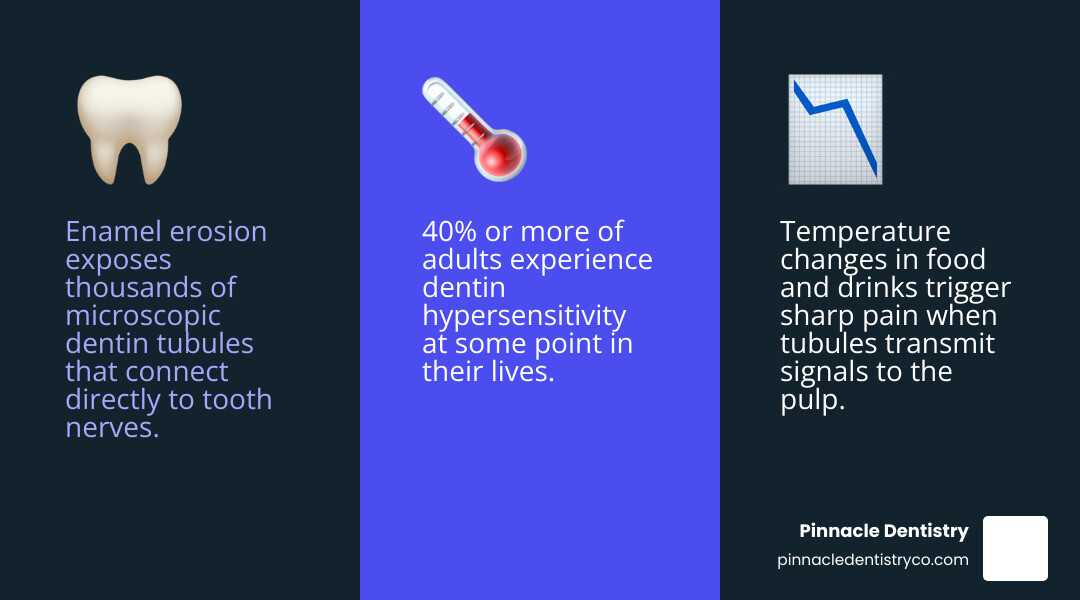
You’re not alone. Studies suggest that 40% or more of adults experience tooth sensitivity at some point, and it can make everyday pleasures like eating ice cream, drinking hot tea, or even breathing cold air genuinely painful.
Sensitive teeth don’t just cause discomfort. They affect what you eat, what you drink, and how confident you feel about your smile. For busy parents in Colorado Springs, CO trying to manage family life, stopping to wince at every meal is one frustration too many.
The good news? The right toothpaste can make a real difference, often within just a few days of consistent use.
I’m Dr. Thomas Jennings, DDS, MAGD, founder of Pinnacle Dentistry in Colorado Springs, CO, with over 35 years of experience helping patients find lasting relief from tooth sensitivity and maintain strong, healthy smiles. In this guide, I’ll walk you through the best toothpastes for sensitive teeth pain relief so you can make a confident, informed choice.
Understanding Dentin Hypersensitivity and Its Impact on Daily Life
To find the right relief, we first need to understand what is happening beneath the surface of your teeth. Tooth sensitivity, known professionally as dentin hypersensitivity, occurs when the protective outer layers of your teeth wear away.
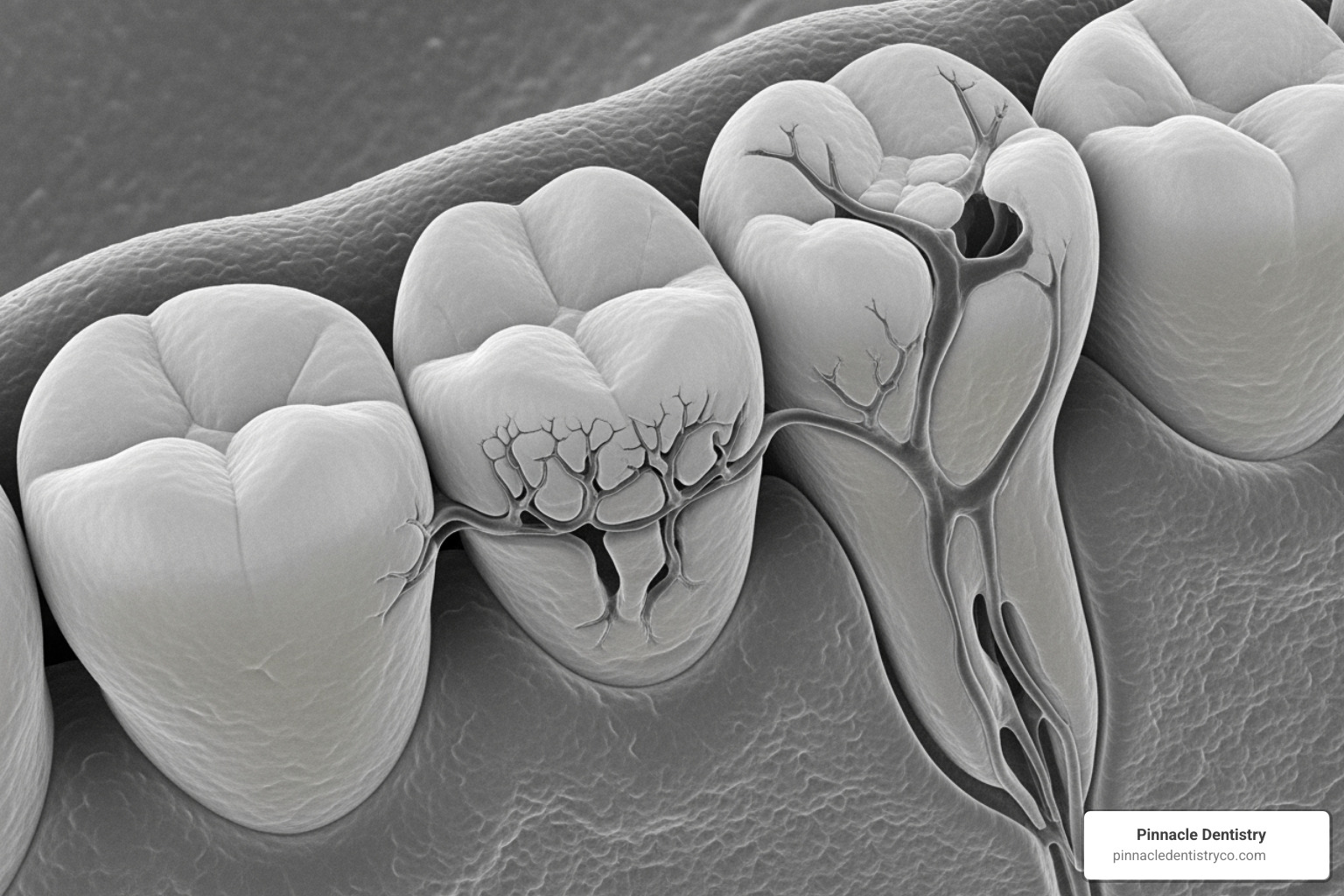
Your teeth are covered by enamel, which is the hardest structure in the human body. However, beneath the enamel lies a softer, highly sensitive layer called dentin. Dentin contains thousands of microscopic channels known as dentin tubules. These tiny tubes lead directly to the pulp chamber at the center of your tooth, where the delicate nerves live.
When your enamel thins or your gums begin to pull back, these dentin tubules become exposed. Everyday triggers like hot coffee, ice water, sweet treats, or even a gust of cold mountain air can travel down these tubules, stimulating the nerve and causing a sharp, sudden flash of pain.
Several common factors can lead to exposed dentin and gum recession. Brushing your teeth too aggressively or using a hard-bristled toothbrush can slowly scrub away your enamel and damage delicate gum tissue. Clenching or grinding your teeth, a habit often triggered by daily stress, places immense pressure on your teeth, leading to enamel wear and microscopic cracks.
Additionally, consuming highly acidic foods and beverages like citrus fruits, sodas, and sports drinks can chemically erode your protective enamel over time. Understanding these triggers is the first step toward finding relief. You can explore a deeper breakdown of these factors in our guide on tooth sensitivity causes and prevention.
While tooth sensitivity is incredibly common, affecting approximately 11.5% of people in the U.S. on a chronic basis, it is also highly treatable. By choosing a targeted toothpaste, you can block these painful pathways and enjoy your favorite meals without fear of discomfort.
Key Ingredients to Look For in the Best Toothpaste for Sensitive Teeth Pain Relief
When you browse the dental aisle, the sheer number of options can feel overwhelming. To find the best toothpaste for sensitive teeth pain relief, you should focus on the active ingredients listed on the back of the box. Different ingredients target sensitivity in completely different ways.
Here are the primary active ingredients that dentists recommend:
- Potassium Nitrate: This is a highly effective nerve-calming agent. Instead of physically blocking the exposed tubules, potassium ions travel down the channels to interact at the nerve synapses. This process temporarily desensitizes the nerve, preventing it from transmitting pain signals to your brain. It acts like a volume knob, turning down the intensity of the pain.
- Stannous Fluoride: Unlike standard sodium fluoride, stannous fluoride provides dual-action protection. It helps prevent cavities while physically blocking the microscopic openings of the dentin tubules. By creating a durable mineral barrier over the exposed dentin, stannous fluoride stops temperature triggers from ever reaching your nerves.
- Hydroxyapatite and Nano-Hydroxyapatite: Hydroxyapatite is the natural mineral block that makes up the vast majority of your tooth enamel. When used in toothpaste, nano-hydroxyapatite particles bind directly to your teeth, filling in microscopic enamel defects and naturally remineralizing exposed dentin. It is an excellent, biocompatible alternative for those seeking fluoride-free options.
For those interested in regulatory standards, the FDA drug labeling for potassium nitrate and sodium fluoride confirms that a 5% concentration of potassium nitrate is the standard therapeutic dose required to provide clinically significant sensitivity relief.
To help you visualize how these ingredients compare, we have put together a simple comparison table:
| Active Ingredient | Primary Mechanism | Best For | Typical Relief Window |
|---|---|---|---|
| Potassium Nitrate (5%) | Calms the tooth nerve directly | General sensitivity to hot and cold | 2 to 4 weeks |
| Stannous Fluoride | Physically plugs dentin tubules | Rapid relief and cavity protection | 3 to 10 days |
| Nano-Hydroxyapatite | Remineralizes enamel naturally | Biocompatible, fluoride-free care | 3 to 7 days |
How Active Ingredients Provide Fast and Long-Term Relief
Understanding how these ingredients work helps explain why some toothpastes take longer to work than others. When you begin using a desensitizing toothpaste, the active ingredients need time to build up a protective shield.
For nerve-calming formulas containing potassium nitrate, consistency is key. A single brushing will not provide instant relief because the potassium ions must build up inside the tooth over time to fully calm the nerve. Most patients begin to feel a noticeable reduction in discomfort after about two weeks of twice-daily brushing.
On the other hand, tubule-occluding formulas like stannous fluoride or nano-hydroxyapatite work by building a physical barrier. Because they physically block the open channels, they often work much faster. Some advanced formulas, such as Sensodyne Rapid Relief or antioxidant-rich options, are clinically proven to reduce sensitivity within 72 hours.
When choosing a product, looking for professional clinical endorsements can give you peace of mind. You can read more about what dental professionals look for in these formulas by reviewing the American Dental Association guidelines on product safety.
Choosing the Best Toothpaste for Sensitive Teeth Pain Relief Without Fluoride
While fluoride is excellent for cavity prevention, many patients prefer fluoride-free alternatives. If you are looking for the best toothpaste for sensitive teeth pain relief without fluoride, nano-hydroxyapatite is the gold standard.
Because nano-hydroxyapatite is chemically identical to your natural tooth structure, it safely remineralizes the enamel surface without the need for synthetic additives. Some premium formulations, like AO ProToothpaste Sensitive, combine nano-hydroxyapatite with natural antioxidants like phloretin and ferulic acid. These antioxidants soothe irritated gum tissues, while natural compounds like xylitol help inhibit cavity-causing bacteria. This approach offers a gentle, natural way to achieve long-term comfort.
How to Use the Best Toothpaste for Sensitive Teeth Pain Relief for Maximum Results
Buying the right toothpaste is only half the battle, you also need to use it correctly. To get the most out of your desensitizing toothpaste, follow these simple steps:
- Switch to a Soft-Bristled Brush: Hard or medium bristles can scrub away your enamel and push back your gums. Always use a soft-bristled manual brush or an electric toothbrush with a sensitive setting.
- Brush Gently for Two Minutes: Do not scrub your teeth as if you are cleaning kitchen tile. Use gentle, circular motions at a 45-degree angle toward your gum line.
- Try the Smear Technique: If you have one specific tooth that is causing sharp pain, you can use your clean fingertip or a cotton swab to smear a small dab of sensitive toothpaste directly onto the painful area. Let it sit for a few minutes before brushing. This allows the active ingredients to penetrate the exposed tubules directly.
- Do Not Rinse Immediately: After brushing, spit out the excess foam but avoid rinsing your mouth with water right away. Leaving a thin layer of toothpaste on your teeth gives the active ingredients more time to strengthen your enamel and calm your nerves.
If you are currently dealing with a severe ache while waiting to see us, you can find temporary comfort by reading our guide on how to manage toothache pain at home.
Habits and Ingredients to Avoid When Managing Tooth Sensitivity
While searching for the best toothpaste for sensitive teeth pain relief, it is just as important to know what products and habits to avoid. Some daily routines can quietly undo all the progress your sensitive toothpaste is making.
First, avoid highly abrasive whitening toothpastes. Many standard whitening formulas rely on harsh abrasives like silica or baking soda to physically scrub away surface stains. While effective for stain removal, these abrasives can act like sandpaper on compromised enamel, exposing more dentin and worsening your sensitivity. If you want to brighten your smile, look for low-abrasion whitening toothpastes specifically designed for sensitive teeth, or speak with us about professional, enamel-safe whitening options.
Second, be cautious with over-the-counter whitening strips and gels. These products often contain high concentrations of hydrogen peroxide, which can penetrate the enamel and temporarily irritate the tooth pulp, causing sharp zings of pain.
Finally, take a look at your diet. Frequently consuming highly acidic foods and beverages like lemons, grapefruits, tomatoes, pickles, and carbonated waters can dissolve your enamel. If you do enjoy an acidic treat, avoid brushing your teeth immediately afterward. Acid temporarily softens your enamel, making it highly vulnerable to wear. Instead, rinse your mouth with plain water and wait at least 30 minutes before brushing.
Persistent or worsening pain can sometimes point to an issue that a toothpaste cannot fix. To understand when discomfort might mean something more serious, take a look at our article on the signs of a serious dental issue.
Frequently Asked Questions about Sensitive Teeth Pain Relief
What causes sudden tooth sensitivity?
Sudden tooth sensitivity is often triggered by a newly cracked or chipped tooth, a loose filling, or rapid gum recession that exposes the highly sensitive root surface. It can also occur after a dental procedure or if you have recently started a whitening treatment. If you experience a sudden, sharp pain that does not go away, it is important to have it evaluated by a dentist to rule out underlying decay or nerve damage.
How quickly does sensitive toothpaste work?
The timeline depends entirely on the active ingredients. Formulas that use stannous fluoride or nano-hydroxyapatite to physically plug the dentin tubules can provide noticeable relief in as little as 3 to 10 days. Toothpastes that rely on potassium nitrate to calm the tooth nerves typically require 2 to 4 weeks of consistent, twice-daily brushing to build up sufficient protection.
Can I use sensitive toothpaste every day?
Yes, you can safely use sensitive toothpaste as your daily, go-to toothpaste. Most formulas are specifically designed for continuous, long-term use and contain all the necessary ingredients to fight cavities, freshen breath, and protect your enamel. However, if your sensitivity does not improve after four weeks of daily use, you should schedule an appointment for a professional evaluation.
Is fluoride necessary in sensitivity toothpaste?
No, fluoride is not strictly necessary to relieve sensitivity, though it is highly effective at preventing cavities. Biocompatible alternatives like nano-hydroxyapatite work beautifully to remineralize enamel and block exposed dentin tubules without the use of fluoride.
Why do my teeth hurt after using whitening toothpaste?
Many standard whitening toothpastes contain highly abrasive particles or chemical peroxide agents that can wear down thin enamel and irritate the internal tooth nerve. If you want to whiten your teeth without pain, look for low-abrasion formulas specifically labeled for sensitive teeth, or consult your dentist for a customized treatment plan.
How does potassium nitrate stop tooth pain?
Potassium nitrate works by releasing potassium ions that travel down the open dentin tubules to the tooth nerve. Once there, these ions block the transmission of pain signals between the nerve synapses. This process desensitizes the nerve, making it far less responsive to temperature changes and acidic triggers.
What is the difference between nerve-numbing and tubule-blocking toothpastes?
Nerve-numbing toothpastes use potassium nitrate to calm the nerve inside the tooth so it cannot send pain signals to your brain. Tubule-blocking toothpastes use ingredients like stannous fluoride or nano-hydroxyapatite to physically seal the microscopic pores in the dentin, preventing hot, cold, or sweet triggers from reaching the nerve in the first place.
Can receding gums cause tooth sensitivity?
Yes, gum recession is one of the most common causes of tooth sensitivity. When your gums recede, they expose the roots of your teeth. Unlike the crowns of your teeth, the roots are not protected by hard enamel. Instead, they are covered by a softer substance called cementum, which easily wears away to expose highly sensitive dentin tubules.
When should I stop using sensitive toothpaste and see a dentist in Colorado Springs, CO?
If you have used a sensitive toothpaste consistently for four weeks without experiencing any relief, it is time to consult a professional. You should schedule an appointment immediately if your sensitivity is accompanied by a persistent ache, swelling, pain when biting down, or sensitivity to hot foods that lingers for more than a few seconds. For residents seeking expert care, visiting a trusted dental practice in Colorado Springs, CO, can help identify the root cause of your discomfort.
How do I choose the best toothpaste for sensitive teeth pain relief?
Look for a toothpaste that carries the American Dental Association Seal of Acceptance, which ensures the product is both safe and effective. Choose an active ingredient that matches your needs, such as potassium nitrate for nerve calming or stannous fluoride for rapid barrier building, and ensure the formula has low abrasiveness.
Finding Lasting Comfort for Your Smile
While finding the best toothpaste for sensitive teeth pain relief is an excellent step toward daily comfort, it is important to remember that toothpaste is only one part of the equation. Persistent sensitivity can sometimes be a sign of an underlying issue, such as gum recession, enamel wear, or microscopic cracks, that requires professional attention.
At Pinnacle Dentistry, we are dedicated to helping you achieve a healthy, pain-free smile. Our practice is proud to feature certified MAGD dentists, an honor achieved by less than 2% of dentists nationwide, reflecting our deep commitment to clinical excellence and personalized care. Whether you need a routine cleaning, customized treatments for receding gums, or professional advice on your daily routine, we are here to support you.
Understanding how to care for your teeth at home is essential for your long-term health. To learn more about protecting your smile, check out our guide on the importance of maintaining your oral health or read our complete desensitizing toothpaste guide to find the perfect product for your needs.
Whether you need a routine cleaning, advanced treatment for receding gums, or a personalized consultation to find the best toothpaste for sensitive teeth pain relief, the team at Pinnacle Dentistry is ready to help. Schedule your professional dental appointment in Colorado Springs, CO today to take the first step toward a comfortable, confident smile.
