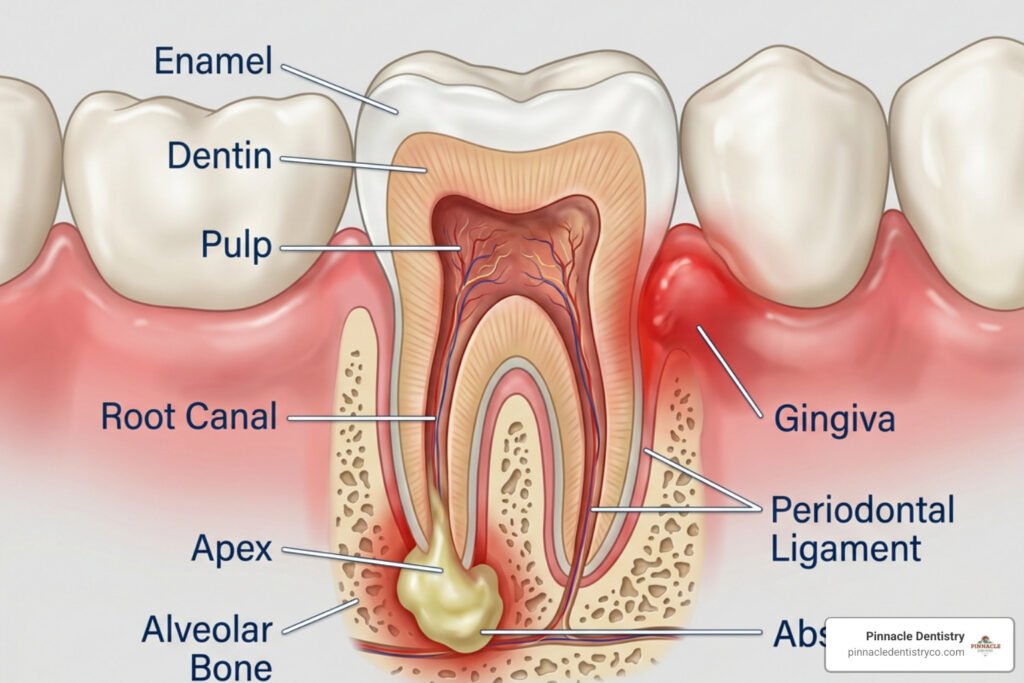

Identifying What Constitutes a True Dental Emergency
Knowing what constitutes a dental emergency allows you to make fast, effective decisions when unexpected oral pain or physical trauma occurs. A true dental crisis generally involves severe discomfort, physical injury, or a rapidly spreading infection. Without treatment, even a seemingly minor issue can worsen quickly and damage the surrounding bone and soft tissue.
At Pinnacle Dentistry, our team evaluates concerns ranging from broken dental work and soft-tissue injuries to deep infections. Symptoms can also create discomfort in the face, neck, or head. Understanding the likely cause helps you seek the right level of care without unnecessary delay.
Common Emergency Signs and Symptoms
Recognizing the early warning signs of an urgent dental issue can mean the difference between saving and losing a natural tooth. Common signs you need an emergency dentist in Colorado Springs, CO include severe pain, swelling, bleeding, and damage to a tooth or restoration. Seek prompt professional care if you experience any of the following symptoms:
- Persistent, throbbing pain: Toothaches that keep you awake at night or do not improve with over-the-counter pain medicine can indicate an infection, pressure buildup, or nerve damage.
- Pus drainage and an unpleasant taste: Drainage or a foul taste near a tooth can be a sign of an abscess that needs prompt care.
- High fever and swelling: Facial swelling with a fever can signal a spreading infection and requires urgent evaluation.
- Broken or dislodged restorations: A fractured crown, bridge, or large filling can expose sensitive tooth structure to bacteria and temperature sensitivity.
- Uncontrolled bleeding: Bleeding from gums or oral tissue after trauma that does not stop after 15 to 20 minutes of firm pressure.
When Tooth Removal Becomes Necessary
Our first goal is to save your natural tooth whenever possible with conservative treatment, such as a filling or root canal. Still, urgent signs that emergency tooth removal may be needed can help you act before an infection spreads to nearby teeth, soft tissues, or the jawbone.
Emergency tooth extraction may be necessary when a tooth has a severe fracture below the gumline, extensive bone loss, or an infection that cannot be resolved while preserving the tooth. Removing a compromised tooth can relieve acute pain, control infection, and prepare the area for future restorative options.
Comprehensive Services Offered in Emergency Dentistry
When you visit a clinic for urgent care, emergency dental care can address immediate pain while helping protect your long-term oral health. Emergency visits may include focused exams, digital X-rays, and treatment planning based on the source and severity of the problem.
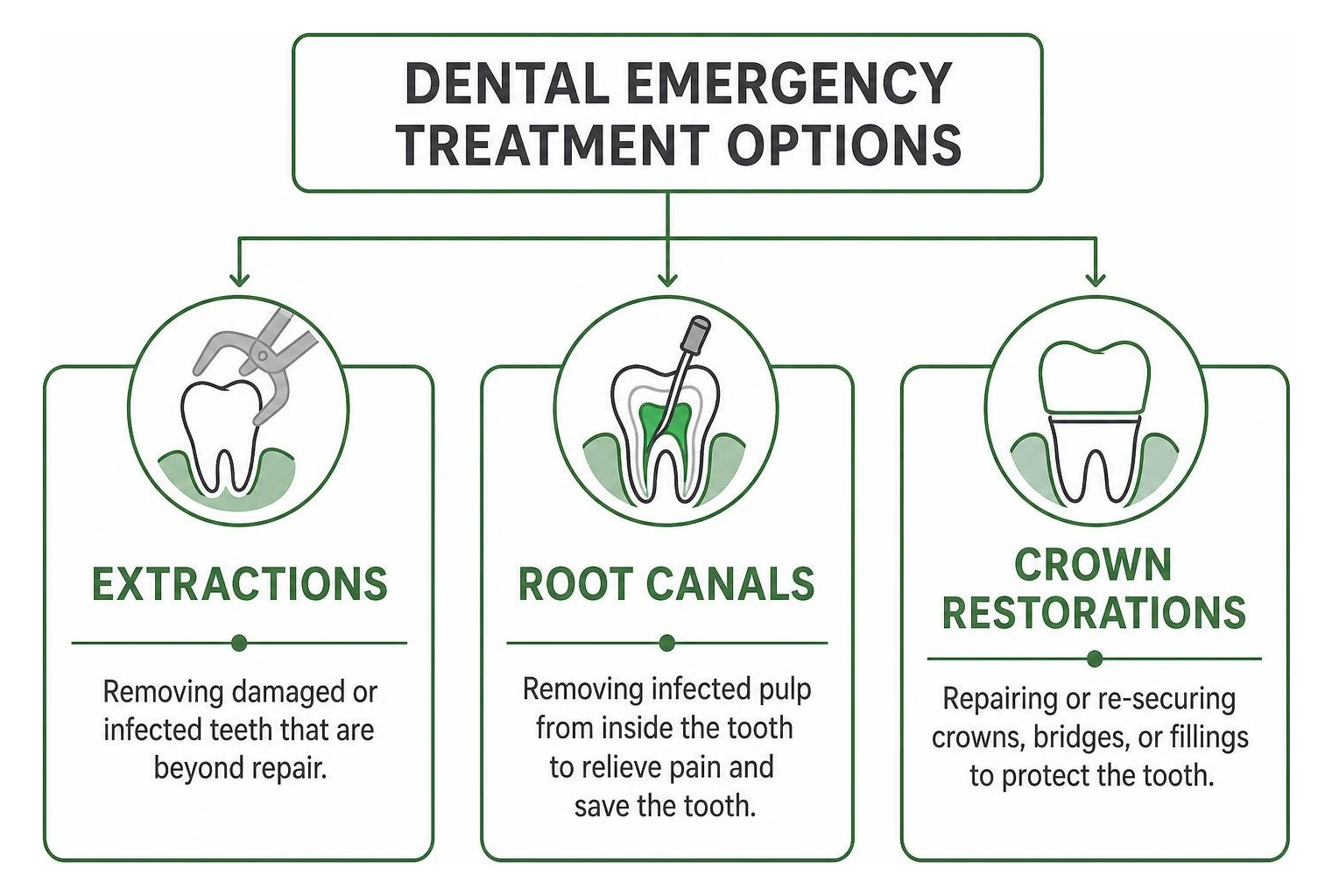
Common urgent procedures provided during an emergency visit include:
- Emergency root canals: Removing infected pulp tissue from inside a tooth to relieve pain and preserve the natural tooth when possible.
- Urgent extractions: Removing teeth that are too damaged to restore or that create a serious infection risk.
- Crown and restoration re-cementing: Repairing or re-securing loose crowns, bridges, or fillings to protect vulnerable tooth structure.
- Soft-tissue trauma care: Controlling oral bleeding and addressing cuts or lacerations in the gums, lips, or mouth.
- Sedation support: Using appropriate options, such as nitrous oxide, to help reduce anxiety during urgent treatment.
When an injury, severe infection, or non-restorable tooth requires surgical care, our oral surgery services can help the team determine the safest next step.
How Pediatric Emergency Dentistry Protects Young Smiles
Children are naturally active, making them particularly prone to dental accidents on the playground, during household play, or while participating in sports. Pediatric emergency dental care focuses on managing childhood dental trauma with gentle, reassuring techniques tailored to growing smiles.
When primary teeth suffer displacement, severe intrusion, or deep fractures, prompt care can help protect the developing permanent teeth beneath them. Treatments such as a pulpotomy may save a compromised primary tooth and help maintain space for permanent teeth to erupt normally.
First-Aid Steps Before Reaching the Dental Office
Taking the right action at home can influence the success of professional treatment. If a permanent tooth is completely knocked out, fast action is especially important.
- Handle with care: Touch a knocked-out tooth only by the crown, avoiding the root surface.
- Preserve moisture: Gently rinse a dirty tooth with milk or saline without scrubbing. Place it in cold milk or an appropriate tooth-preservation solution while traveling to the dental office. Do not let the root dry out.
- Control swelling: Apply a cold compress wrapped in a clean cloth to the outside of the cheek or lip in 10-minute intervals.
- Avoid chemical burns: Use over-the-counter pain medicine only as directed. Do not place aspirin directly on the gums or tooth tissue.
Emergency Dentist vs. Emergency Room: Where to Go for Care
Deciding whether to visit a dental office or a hospital emergency department can feel overwhelming during a dental emergency. A dentist is usually the best first call for urgent tooth problems, while serious injuries or symptoms affecting breathing or swallowing need emergency medical care.
When evaluating treatment capabilities across care facilities:
- Emergency dental clinics: Provide definitive care such as fillings, root canals, restoration repair, tooth reimplantation, and surgical extractions, along with targeted pain relief and infection treatment.
- Hospital emergency rooms: Focus on medical stabilization, systemic infection control, and trauma triage, but generally cannot complete restorative dental procedures.
What the ER Can and Cannot Do for Dental Problems
Hospital emergency rooms excel at medical triage, stabilizing severe health conditions, and treating major facial trauma. If you arrive with an intense toothache, medical staff may perform a basic exam, address pain, and evaluate visible swelling.
However, an ER typically cannot repair the underlying tooth problem. It may stabilize symptoms and refer you to a dental office for definitive treatment. Go directly to an ER for severe facial trauma, a suspected jaw fracture, uncontrolled bleeding, or swelling that makes it difficult to breathe or swallow.
Handling After-Hours and Weekend Dental Crises
Dental crises rarely occur during convenient hours. Knowing what to do during a dental emergency at night can help you stay prepared when pain starts after dark. Many dental offices maintain an answering service or on-call process for urgent patient needs.
Do not wait until morning to contact your Colorado Springs, CO dentist if you have a knocked-out tooth, uncontrolled bleeding, or severe pain. Calling promptly allows the dental team to triage your symptoms, share safe interim guidance, and arrange urgent care when available.
Costs, Insurance, and Preventing Future Dental Emergencies
An emergency dental visit generally includes a focused exam, necessary digital X-rays, and options to manage pain or protect the affected tooth. Insurance coverage and treatment needs vary, so the dental team can help you understand the next steps for your situation.
Preventing unexpected dental crises involves consistent daily hygiene, regular clinical monitoring, and protective gear. While accidents happen, you can reduce your risk of urgent visits by following a few practical habits:
- Wear custom mouthguards: Protect your teeth, gums, and jaw joints with an athletic guard during high-impact sports, or use a nightguard if you grind your teeth.
- Maintain regular checkups: Routine cleanings and exams can identify small fractures, hidden decay, and weakened fillings before they become painful emergencies.
- Avoid using teeth as tools: Do not open packaging, tear tape, crack nuts, or chew hard ice with your teeth.
- Practice consistent daily oral care: Brush twice daily with fluoride toothpaste and floss daily to help prevent plaque buildup and decay.
Finding Same-Day Emergency Dentistry Near You
When oral pain occurs unexpectedly, choosing an emergency dentist during a dental crisis can save valuable time. Look for a Colorado Springs, CO practice that offers flexible scheduling, digital imaging, and a clear process for managing urgent pain.
Knowing what to expect from an emergency dentist visit can also reduce anxiety. Your clinical team may take focused X-rays, perform a gentle visual exam, and explain immediate treatment options before you leave.
Frequently Asked Questions About Dental Emergencies
What is the most common cause of sudden severe tooth pain?
Sudden, intense tooth pain is most frequently caused by deep tooth decay reaching the delicate internal nerve pulp. Other common culprits include hairline tooth root fractures, severe localized gum abscesses, or advanced nerve inflammation resulting from historical physical trauma.
Can I go to urgent care for a dental emergency?
Urgent care medical centers can evaluate visible facial swelling and prescribe basic pain relievers or temporary antibiotics. However, like hospital emergency rooms, medical urgent care clinics lack specialized dental chairs, drills, and restorative materials required to repair broken teeth or perform extractions.
How long can a knocked-out tooth survive outside the mouth?
A permanent tooth has the highest chance of successful reimplantation if returned to its socket by a dental professional within 30 minutes. While teeth stored properly in cold milk or saline solution may remain viable for up to 60 minutes, immediate professional evaluation is critical.
Will dental insurance cover an emergency visit?
Most standard dental PPO insurance plans offer partial or complete coverage for diagnostic emergency examinations and essential digital X-rays. Treatment coverage for root canals or extractions depends on your specific insurance policy, deductible, and annual maximum limits.
What should I do if a dental crown falls off?
Keep the dislodged crown safe and clean. You can temporarily slip the crown back over the exposed tooth using over-the-counter dental cement or toothpaste to protect the nerve. Avoid chewing on that side of your mouth and call your dental practice right away to schedule a professional re-cementing appointment.
How do I know if a tooth infection has spread?
Signs that a localized dental infection is spreading into surrounding tissues include visible swelling along the jaw line, cheek, or neck, accompanied by a high fever, difficulty opening your mouth, or trouble swallowing. These symptoms require urgent intervention.
Can an emergency dentist save a cracked tooth?
Yes, depending on the direction and depth of the crack. Shallow surface cracks above the gumline can often be restored using composite bonding or protective porcelain crowns. However, if a crack extends deep into the tooth root, an extraction may be required.
What pain relief can I use while waiting for my emergency appointment?
Over-the-counter pain relievers can help reduce minor swelling and discomfort. Rinsing gently with warm salt water and applying a cold ice pack to the outside of your cheek can also offer temporary pain relief while you wait for your appointment.
Is swelling in the face or jaw considered a dental emergency?
Yes, noticeable swelling in your cheeks, jawline, or gums indicates an active bacterial infection. Oral infections can move quickly through soft tissues, so prompt clinical evaluation is necessary to prevent systemic health complications.
How can I manage dental anxiety during an emergency procedure?
Express your feelings directly to your dental team upon arrival. Modern dental practices offer mild sedation options like nitrous oxide (laughing gas), soothing environments, and localized numbing gels to ensure you remain completely comfortable throughout your emergency treatment.
Conclusion
Navigating an unexpected dental crisis requires prompt action, accurate evaluation, and a reassuring clinical environment. At Pinnacle Dentistry, our experienced team provides personalized, gentle urgent care for families across Colorado Springs, CO. Whether you are dealing with a severe toothache, a dislodged restoration, or accidental trauma, seeking care quickly can help protect your smile and long-term health. If you or a family member has sudden oral pain or trauma, contact our emergency dentistry specialists to request prompt care.