

What Does a Sinus Lift Really Cost in 2026?
| Situation | Typical Cost |
|---|---|
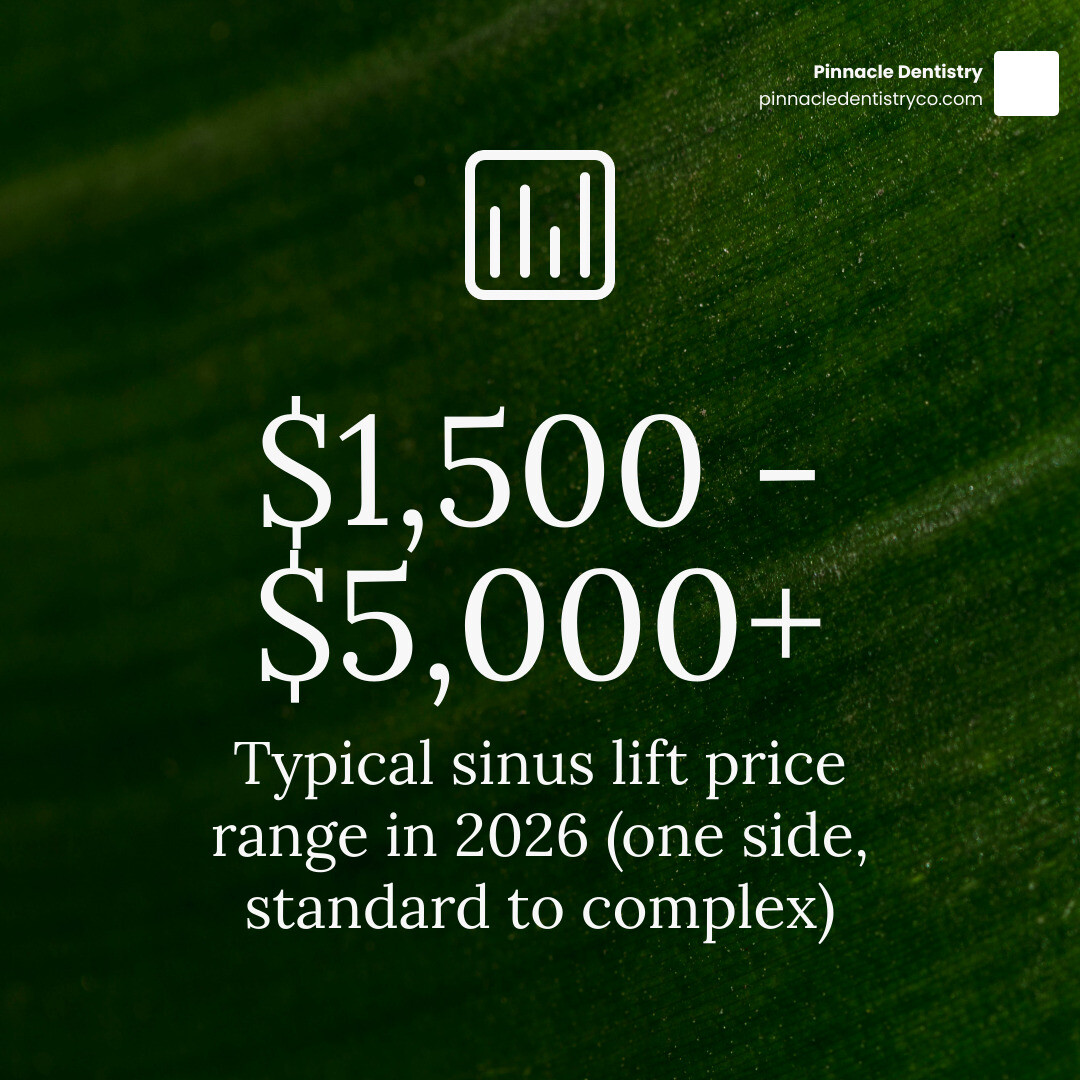
| One side (standard) | $1,500 – $2,500 |
| One side (complex) | Up to $5,000+ |
| Both sides | $3,000 – $5,000 |
| Mexico (dental tourism) | From $1,000 per side |
| Turkey (dental tourism) | ~$650 – $700 per side |
Note: These figures cover the sinus lift procedure only. Additional costs like imaging, anesthesia, and the implants themselves are separate.
If you have recently been told you need a sinus lift before getting dental implants, the first question on your mind is probably: “How much is this going to cost me?” It is a fair question, and the answer is not always straightforward. Prices vary widely depending on where you live, how much bone you have lost, which type of procedure you need, and what materials your surgeon uses. For a family already juggling budgets and schedules, that uncertainty can feel overwhelming.
This comprehensive guide breaks down exactly what drives the cost, what to expect beyond the base fee, and how to make a confident, informed decision about your care. Rebuilding your smile is a major milestone, and understanding the financial landscape is the first step toward a successful outcome.
I am Dr. Thomas Jennings, DDS, MAGD, founder of Pinnacle Dentistry in Colorado Springs, CO, with over 35 years of experience guiding patients through complex dental decisions, including understanding the full sinus lift price before committing to treatment. In the sections ahead, I will walk you through everything you need to know so there are no surprises.
What is a Sinus Augmentation and Why is it Needed?
To understand why a sinus lift is necessary, we must first look at the anatomy of your upper jaw. Your maxillary sinuses are air-filled cavities located right behind your cheeks, directly above your upper back teeth. They are light, airy spaces that help you breathe, filter air, and reduce the weight of your skull, but they can pose a unique challenge when it comes to replacing missing teeth.
When you lose a tooth in your upper arch, the surrounding bone begins to shrink. This natural process, known as bone resorption, occurs because the jawbone no longer receives the mechanical stimulation of chewing. Over time, the floor of the maxillary sinus drops down into the space where the tooth roots used to be, a process called sinus pneumatization. This leaves only a paper-thin wall of bone separating your mouth from your sinus cavity.
If you decide to get dental implants to restore your smile, you need a solid foundation of bone to hold those implants securely in place. However, if the bone is too thin, the implant could push directly into your sinus cavity, leading to implant failure, chronic sinus infections, and other severe complications.
This is where a sinus augmentation comes into play. By carefully lifting the thin membrane (known as the Schneiderian membrane) that lines the sinus floor and placing bone grafting material underneath, we can rebuild the lost bone height. This creates a thick, sturdy anchor that ensures your dental implants can integrate safely and last for decades.

Average Sinus Lift Price and Cost Factors
The average sinus lift price can vary significantly based on a variety of biological and practical factors. For a standard, single-site procedure in the United States, patients can generally expect to pay between $1,500 and $2,500 per side. If you require a bilateral procedure, which means lifting the sinuses on both the left and right sides of your upper jaw, the base cost typically ranges from $3,000 to $5,000.
According to the American Academy of Implant Dentistry, highly complex cases requiring significant reconstruction can push the average total closer to $5,000 for a single side when incorporating advanced bone grafting techniques and premium materials.
To understand why prices fluctuate, it helps to look at the primary cost factors:
- Surgeon Experience: Board-certified oral surgeons and periodontists who specialize in advanced implantology often charge more for their expertise. Choosing an experienced doctor minimizes the risk of complications, such as tearing the delicate sinus membrane.
- Geographic Location: Dental practices in major metropolitan areas with high overhead costs naturally charge more than clinics in smaller towns. For instance, a patient in Manhattan or downtown San Francisco will face higher baseline fees than someone seeking care in Colorado Springs, CO.
- Materials Used: The type of bone graft material selected plays a major role in the final invoice. Synthetic bones and animal-derived grafts are generally more affordable than utilizing your own bone, which requires a secondary surgical site.
For a detailed look at how these numbers compare across different markets, you can review the historical data compiled in the cost of a sinus lift pricing guide.
How Procedure Complexity Affects the Sinus Lift Price
The physical state of your jawbone determines the surgical technique your dentist must use, which directly impacts the overall sinus lift price.
If you still have a decent amount of bone left, typically around 5 to 6 millimeters of height, your surgeon can likely perform a crestal approach. In this minimally invasive procedure, the doctor accesses the sinus floor through the same small hole created for the dental implant. The sinus membrane is gently pushed upward, and a small amount of bone graft is placed. Because this technique is faster and less invasive, it is generally the most affordable option.
On the other hand, if your bone height is severely depleted, less than 4 to 5 millimeters, you will require a lateral window approach. This is a more complex dental implant surgery where the surgeon makes an incision in your gums to expose the jawbone, cuts a small “window” into the side of the bone, lifts the sinus membrane from the side, and fills the empty pocket with grafting material. This method requires a higher level of surgical skill, more grafting material, and a longer operating time, which naturally increases the price.
How Graft Materials Influence Your Total Sinus Lift Price
The biological material used to rebuild your jawbone is another major financial variable. The bone grafting material acts as a scaffolding, encouraging your body to grow new, natural bone in its place.
There are four primary types of graft materials used to restore the alveolar bone:
- Autograft (Patient’s Own Bone): This is the gold standard for bone regeneration because it contains your own live cells. However, it requires harvesting bone from another part of your body, such as your chin, hip, or shin. This secondary surgical site increases the surgical complexity, anesthesia requirements, and overall cost, often adding $1,000 to $1,500 to the bill.
- Allograft (Human Donor Bone): Sourced from tissue banks, this sterile, processed human bone is highly effective and eliminates the need for a second surgical site. It generally costs between $500 and $1,000.
- Xenograft (Animal Bone): Usually derived from cows, this material is highly biocompatible and integrates beautifully with human bone. It is widely used and typically costs between $500 and $900.
- Synthetic Bone: Lab-made materials like calcium phosphate or bioactive glass offer a highly sterile, consistent option. This is often the most budget-friendly choice, ranging from $400 to $700.
Comparing Sinus Lift Costs: US vs. Mexico and Turkey
Driven by rising healthcare costs at home, many patients explore dental tourism to find more affordable options. Countries like Mexico and Turkey have become incredibly popular destinations for major restorative procedures, including sinus lifts and dental implants.
In Mexico, particularly in border towns catering to American travelers, a bone graft and sinus lift can start as low as $1,000 per side. Clinics in Turkey offer even steeper discounts, with standard sinus lifts averaging around £400 to £500, which is roughly $650 to $700 USD per side. This represents a potential savings of up to 70% compared to typical private practices in the United States.
However, while the upfront cost savings are enticing, patients must carefully weigh the hidden risks of traveling abroad for oral surgery. A sinus lift is a delicate biological procedure that requires a significant healing period. If complications arise, such as a sinus infection, graft rejection, or membrane tearing, traveling back internationally for emergency follow-up care is rarely practical or affordable.
Furthermore, regulations, sterilization standards, and surgeon qualifications can vary greatly outside of the United States. If you are researching international options, you can compare verified clinical offerings and package details through the sinus-lifting prices & packages 2026 directory to ensure you are choosing a highly rated, accredited facility.
Additional Expenses and the Total Cost of Dental Implants
When planning your budget, it is important to remember that the sinus lift price is rarely an isolated expense. Because a sinus lift is almost always performed as a preparatory step for tooth replacement, you must factor in several adjacent fees to understand your true out-of-pocket investment.
These additional expenses typically include:
- Diagnostic Imaging: Before any surgery can begin, your dentist must map your facial anatomy. While standard dental X-rays are helpful, a sinus lift requires a 3D CBCT scan to measure the exact depth of your jawbone and the position of your sinus cavities. These advanced scans typically cost between $100 and $250.
- Consultation Fees: Meeting with a specialist for a comprehensive clinical exam and treatment plan usually ranges from $100 to $300, though some clinics may apply this fee toward your final treatment cost.
- Dental Anesthesia and Sedation: While some patients are comfortable undergoing a sinus lift with local numbing injections, many prefer IV sedation or general anesthesia to remain completely asleep during the procedure. Professional sedation services can add anywhere from $200 to $500 per hour to your total.
- Post-Operative Medications: You will be prescribed a course of antibiotics, pain relievers, and specialized nasal sprays to prevent infection and manage swelling, which usually costs between $30 and $75.
The sinus lift is just the first step. You will still need to budget for the dental implants, custom abutments, and porcelain crowns that will complete your new smile. To see how these pieces fit together financially, you can read our detailed breakdown of how much do dental implants cost to plan your restorative journey effectively.

Recovery Timeline, Aftercare, and Long-Term Success
Once your surgery is complete, the physical recovery is surprisingly quick, but the biological healing process takes time. Most patients experience mild to moderate swelling, bruising, and minor nasal bleeding for the first 3 to 5 days. You will likely need to take 2 to 3 days off work to rest and let the initial inflammation subside.
However, the bone grafting material must undergo a process called osseointegration, where your body gradually absorbs the graft and replaces it with solid, living bone. This crucial healing period can take anywhere from 4 to 12 months. Only after this new bone is fully integrated and strong can your dentist safely place your dental implants.
To ensure a smooth recovery and protect your investment, you must follow strict post-operative guidelines:
- Avoid Blowing Your Nose: For at least 2 to 3 weeks after surgery, do not blow your nose or sneeze forcefully. The pressure changes can displace the bone graft or rupture the healing sinus membrane. If you must sneeze, do so with your mouth wide open.
- Sleep Elevated: Keep your head elevated with extra pillows for the first few nights to reduce swelling and bleeding.
- Stick to Soft Foods: Avoid hard, crunchy, or spicy foods that could irritate the surgical site or dislodge your stitches.
- Do Not Smoke: Smoking severely restricts blood flow to your gums and bone, significantly increasing the risk of graft failure.
Despite the strict aftercare rules, sinus lifts have an incredibly high success rate, often exceeding 95% when performed by a skilled professional. If you have concerns about the safety or comfort of the procedure, you can read more about are dental implants safe and explore our guide on are dental implants painful to ease your peace of mind.
Frequently Asked Questions About Sinus Lifts
What is the average sinus lift price in the United States?
In the United States, a standard sinus lift typically costs between $1,500 and $2,500 per side. For highly complex cases requiring significant bone reconstruction or bilateral surgery on both sides of the upper jaw, the total cost can range from $3,000 to $5,000 or more.
Why do I need a sinus lift before getting dental implants?
A sinus lift is necessary when there is not enough natural bone height in your upper jaw to securely support a dental implant. This lack of bone can be caused by natural anatomy, gum disease, or bone loss that occurs after a tooth is extracted or lost.
Does dental insurance cover the sinus lift price?
Most standard dental insurance plans consider a sinus lift to be a cosmetic or preparatory procedure, meaning they rarely cover the cost. However, some premium plans or medical insurance policies may offer partial coverage if the bone loss is due to trauma or a medical condition.
What is the difference between a crestal and lateral sinus lift?
A crestal sinus lift is a minimally invasive technique used when you only need a small amount of bone height, accessing the sinus floor through the implant entry site. A lateral sinus lift is a more complex surgery where the doctor creates a small window in the side of the jawbone to lift the sinus membrane and place a larger volume of bone graft.
How much can I save by getting a sinus lift in Mexico?
Patients can save up to 70% on the cost of oral surgery by traveling to Mexico, where sinus lifts start around $1,000 per side. However, patients must factor in travel expenses, lodging, and the risks of managing post-operative complications far from home.
Is a sinus lift procedure painful?
The procedure itself is not painful because it is performed under local anesthesia or sedation. During recovery, most patients report mild to moderate discomfort, swelling, and pressure, which can easily be managed with prescribed pain medications and ice packs.
How long do I have to wait for dental implants after a sinus lift?
The healing and integration period typically takes between 4 and 12 months. Your surgeon must wait until the bone grafting material has fully integrated with your natural jawbone and turned into solid bone before placing the implants.
What are the main risks associated with sinus lift surgery?
The most common risk is puncturing or tearing the delicate sinus membrane. If this occurs, the surgeon will either repair the tear or postpone the procedure to let the membrane heal. Other rare risks include sinus infections, bleeding, and graft rejection.
What type of bone graft material is best for a sinus lift?
An autograft, which uses your own bone, is biologically the best option but requires a second surgical site. Allografts (human donor) and xenografts (animal donor) are highly popular, highly successful, and cost-effective alternatives that eliminate the need for a second surgery.
How can I find an affordable sinus lift in Colorado Springs, CO?
The best way to find affordable care is to look for local practices that offer in-house discount plans or flexible financing options. Choosing a highly experienced local dentist ensures you get quality care, reducing the risk of costly complications down the road.
Conclusion
A sinus lift is a highly predictable, incredibly successful procedure that makes modern tooth replacement possible for patients who have suffered significant bone loss. While the upfront sinus lift price can seem like a major investment, it is the key to ensuring your dental implants remain stable, functional, and beautiful for the rest of your life.
Rather than taking unnecessary risks with international dental tourism, we encourage you to seek out experienced, highly trained professionals right here at home. At Pinnacle Dentistry, our certified MAGD dentists provide personalized, compassionate care to families throughout Colorado Springs, CO, and El Paso County, CO. We are proud to offer advanced technology, clear pricing, and comfortable sedation options to make your journey to a restored smile as smooth as possible.
Whether you need a single dental implant, a sinus lift, or a complete smile reconstruction, the team at Pinnacle Dentistry is ready to help. Schedule your professional dental implants consultation with us today.
