

Why Xerostomia Causes Alcohol Consumption to Become a Dental Health Concern
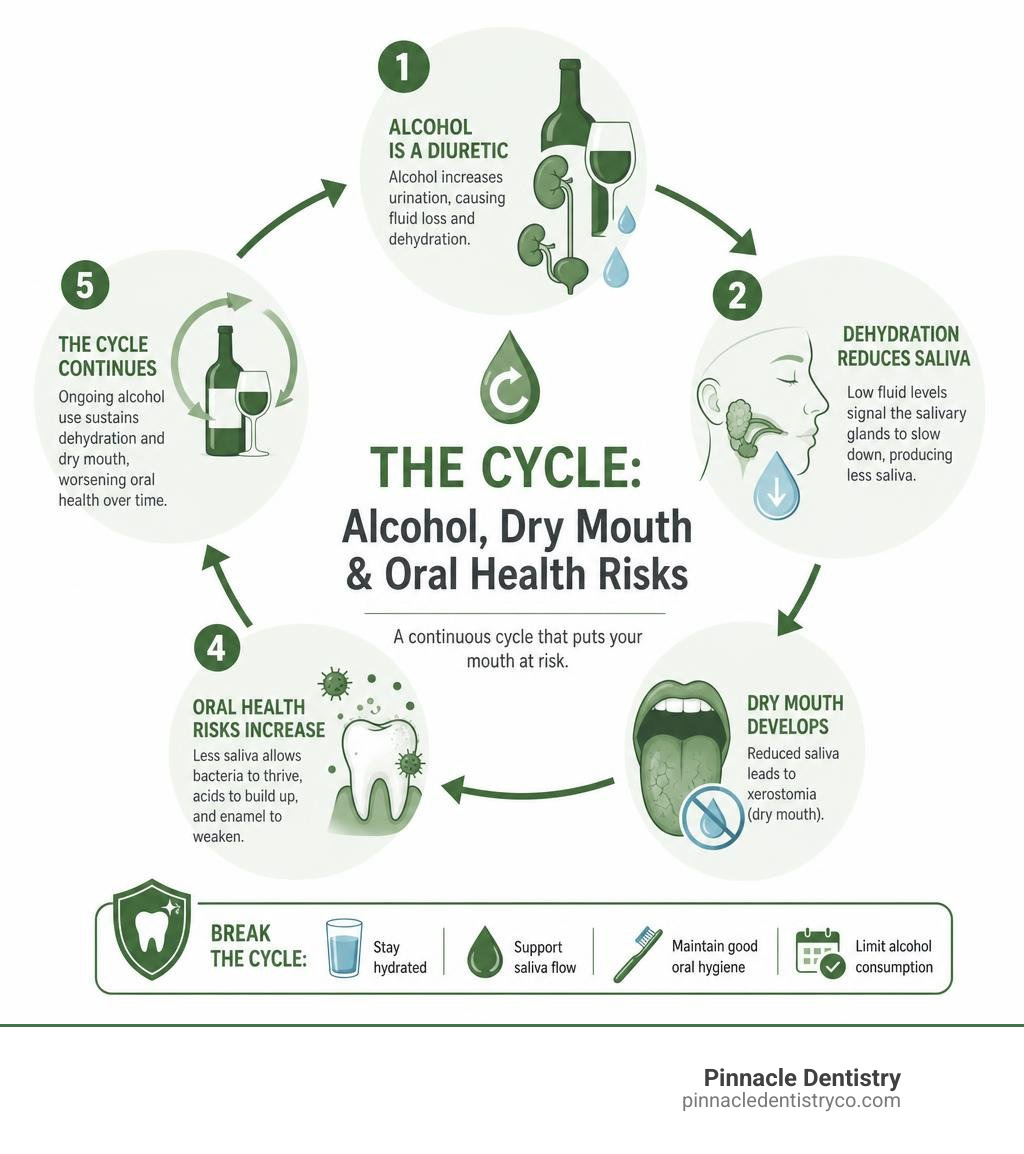
Xerostomia causes alcohol consumption to become a surprisingly common oral health problem. When you drink alcohol, your body produces more urine, loses fluids faster, and your salivary glands slow down. The result? A dry, uncomfortable mouth that leaves your teeth and gums vulnerable.
Here is a quick summary of how alcohol leads to dry mouth:
- Alcohol is a diuretic. It makes your kidneys flush out more water than you take in, leading to whole-body dehydration.
- Dehydration reduces saliva. When your body is low on fluids, your salivary glands produce less saliva.
- Alcohol irritates oral tissues. Beyond dehydration, alcohol directly irritates the soft tissues in your mouth, further reducing saliva flow.
- Less saliva means more bacteria. Saliva normally washes away food particles and neutralizes acids. Without it, bacteria thrive and enamel breaks down faster.
- Chronic use compounds the problem. Heavy drinkers are three times as likely to experience permanent tooth loss compared to non-drinkers.
Most people notice a dry mouth the morning after drinking. But if alcohol use is regular, that temporary dryness can become a persistent condition with serious consequences for your teeth and gums.
I’m Dr. Thomas Jennings, DDS, MAGD, founder of Pinnacle Dentistry in Colorado Springs, CO, and I have spent over 35 years helping patients understand how lifestyle factors like xerostomia causes alcohol consumption to accelerate dental disease. In the sections below, I’ll walk you through exactly what is happening in your mouth and what you can do about it.
What is Xerostomia? Clinical Definition and Symptoms
To understand how alcohol interacts with your mouth, we first need to look at what dry mouth actually is. Clinically, dry mouth is known as xerostomia. It is defined as the subjective sensation of oral dryness, which is often, but not always, associated with an objective reduction in salivary flow, known as salivary gland hypofunction.
According to a landmark clinical overview of Xerostomia, a patient can experience the frustrating sensation of a dry mouth even before a measurable decrease in saliva quantity becomes clinically evident. Generally, salivary secretion must decrease by approximately 50% before a person begins to notice the classic symptoms of dryness.
When saliva flow drops, patients experience a range of uncomfortable and disruptive symptoms, including:
- A persistent sticky, dry feeling in the mouth and throat.
- Difficulty chewing, tasting, swallowing, or speaking.
- A burning or tingling sensation on the tongue or in the oral cavity.
- Frequent oral discomfort and cracked, peeling lips.
- Severe halitosis (chronic bad breath) caused by stagnant bacteria.
- Denture instability or irritation for those who wear oral prosthetics.
Population studies show that xerostomia is incredibly common, affecting up to 21.3% of men and 27.3% of women. While certain medical conditions guarantee dry mouth (for instance, 100% of patients who undergo head and neck radiation therapy or are diagnosed with Sjögren syndrome suffer from severe xerostomia), lifestyle habits like drinking alcohol can trigger or significantly worsen the condition for everyday adults.
Clinical Reality: How Xerostomia Causes Alcohol Consumption Complications
When we examine the relationship between drinking and oral health, we find that the combination of xerostomia causes alcohol consumption to trigger a cascade of structural and biological complications in the mouth.
Saliva is not just water; it is a complex, protective fluid packed with enzymes, minerals, and immunoglobulins. When alcohol strips the mouth of this natural defense, the delicate mucous membranes lining your cheeks, gums, and tongue lose their protective barrier. This state of chronic oral dryness and mucosal irritation increases your vulnerability to physical injury and chemical irritation.
According to the Mayo Clinic’s guide on dry mouth symptoms and causes, a dry environment allows opportunistic pathogens to take over, making you far more susceptible to painful mouth sores and oral infections. If you regularly consume alcohol without addressing the resulting dry mouth, you are essentially leaving your oral tissues exposed to constant friction, micro-tears, and acid damage. For a deeper look at these symptoms, you can learn more about xerostomia symptoms and how they manifest in everyday life.
Why Xerostomia Causes Alcohol Consumption Risks to Escalate
The risks escalate rapidly because saliva is your mouth’s primary defense system. When salivary flow rates drop, the entire oral microbiome falls out of balance.
Under normal conditions, your saliva continuously bathes your teeth, neutralizing the harmful acids produced by plaque bacteria and washing away loose food particles. Without this constant rinsing action, plaque rapidly accumulates along the gumline and in the hard-to-reach grooves of your teeth.
Because alcohol itself is often metabolized into sugars and many alcoholic drinks are highly acidic, drinking directly feeds cavity-causing bacteria while simultaneously stripping away the saliva needed to fight them. This dual action creates a highly acidic environment that accelerates enamel demineralization, leading to rapid tooth decay and gum inflammation.
Managing How Xerostomia Causes Alcohol Consumption Side Effects
If you enjoy an occasional evening drink, managing these side effects requires a proactive approach. The goal is to counteract the drying and dehydrating effects of alcohol before they can damage your teeth.
Simple behavioral changes, such as sipping water alongside your alcoholic beverage and choosing drinks with lower sugar and acid content, can make a massive difference. Additionally, substituting alcoholic drinks with high-quality, alcohol-free alternatives can help keep your salivary glands functioning normally. For a comprehensive strategy on protecting your smile, check out the Pinnacle Dentistry dry mouth guide, which outlines practical steps to maintain oral moisture.
The Physiological Mechanisms: Dehydration and Salivary Gland Suppression
How exactly does alcohol dry out your mouth? The process is rooted in renal and systemic physiology.
Alcohol acts as a potent diuretic. It directly inhibits the pituitary gland’s release of vasopressin (also known as antidiuretic hormone, or ADH). Under normal circumstances, vasopressin signals your kidneys to reabsorb water. When alcohol suppresses this hormone, your kidneys flush out excessive amounts of water through urine, leading to rapid systemic dehydration.
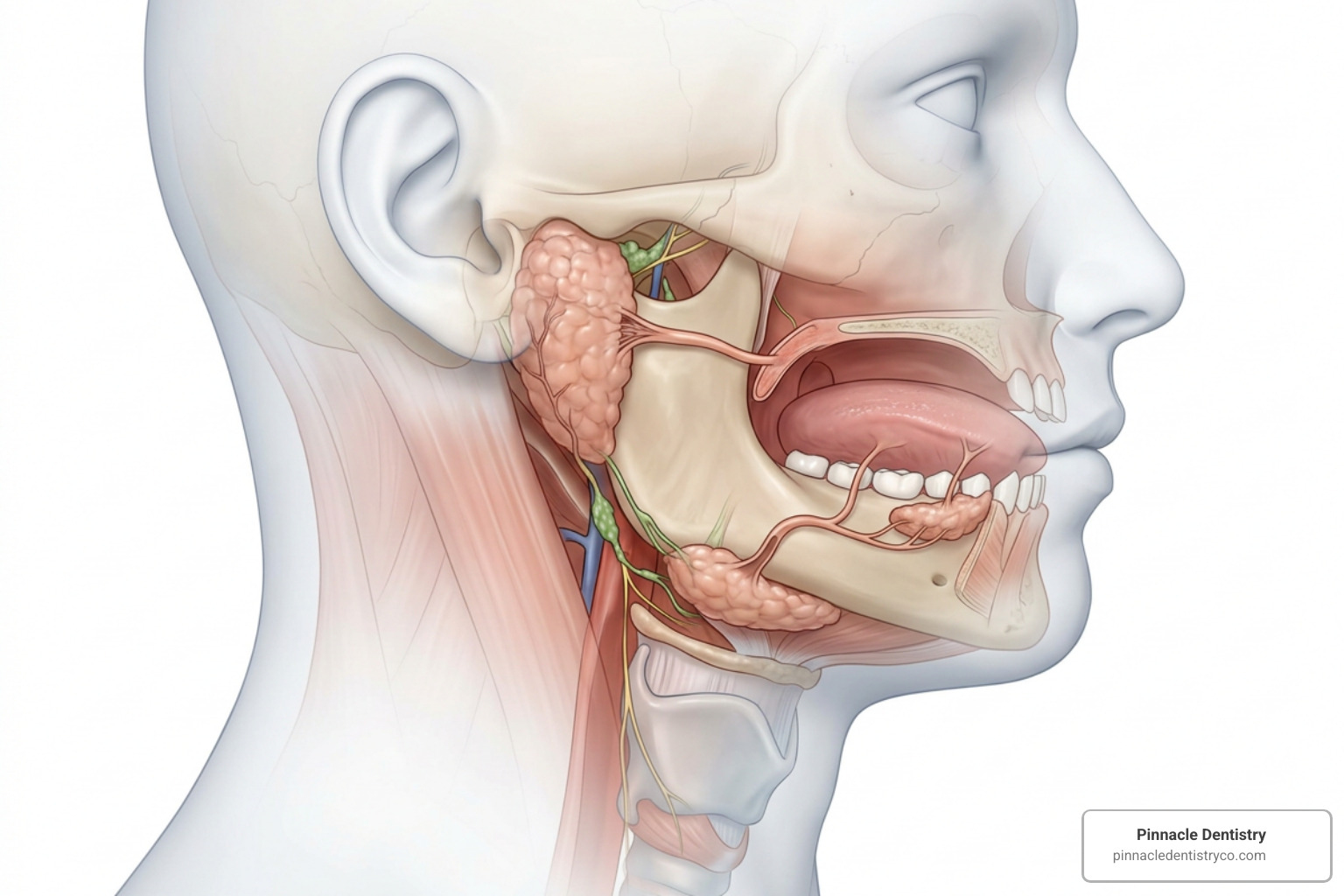
As your body’s overall fluid levels drop, it begins conserving water by reducing non-essential secretions. Your salivary glands, specifically the fluid-producing acinar cells, are among the first to have their water supply restricted. This physiological response is detailed in a thirst and oral dryness study, which highlights how even moderate alcohol intake triggers a noticeable drop in oral moisture and a corresponding spike in thirst.
To illustrate the difference, let’s look at how normal salivary flow compares to clinical hyposalivation:
| Salivary Flow Type | Normal Flow Rate | Hyposalivation Threshold |
|---|---|---|
| Unstimulated Whole Saliva | 0.3 to 0.4 mL/min | Less than 0.1 mL/min |
| Stimulated Whole Saliva | 1.5 to 2.0 mL/min | Less than 0.5 to 0.7 mL/min |
When your flow rates drop to hyposalivation levels, your teeth lose their primary source of calcium, phosphate, and fluoride ions, halting the natural remineralization process that repairs early enamel damage.
Oral Health Consequences of Alcohol-Induced Dry Mouth
The long-term consequences of chronic, alcohol-induced dry mouth go far beyond a simple feeling of thirst. When your mouth remains dry over extended periods, the structural integrity of your teeth and gums quickly degrades.
Without saliva to buffer acids and control bacterial populations, patients face a severe risk of:
- Rapidly Progressing Dental Caries: Liquid sugars from mixed drinks flow easily between teeth and into deep grooves. Without saliva to wash them away, bacteria feed on these sugars, releasing localized acids that quickly dissolve enamel and dentin.
- Aggressive Periodontitis: Saliva contains crucial antimicrobial proteins. Without them, plaque hardens into tartar, leading to red, swollen, and bleeding gums. Studies show that regular alcohol users without pre-existing periodontitis experience significantly more gum bleeding than non-drinkers, and those with existing gum disease see their pockets deepen rapidly.
- Permanent Tooth Loss: Because of the heightened risk of deep decay and advanced gum disease, heavy drinkers are three times as likely to suffer from permanent tooth loss.
- Oral Candidiasis (Thrush): A dry mouth is the perfect breeding ground for fungal overgrowth, resulting in painful white patches on the tongue and inner cheeks.
To protect your teeth from these cumulative damages, it is vital to understand how to recognize and mitigate these risks early. You can read more about these long-term clinical impacts by understanding dry mouth risks and how they affect your overall health.
Risk Modifiers: Medications, Lifestyle, and Polypharmacy
While alcohol is a major contributor to dry mouth, its effects are rarely experienced in isolation. Many adults take medications or engage in lifestyle habits that compound salivary suppression.
The most common risk modifier is the use of prescription and over-the-counter medications. Over 600 common drugs list dry mouth as a primary side effect. Medications with anticholinergic properties, such as antidepressants, antihistamines, blood pressure drugs, and muscle relaxants, directly block the neurotransmitters that tell your salivary glands to produce saliva.
According to an anticholinergic medication and caries study, taking even one additional anticholinergic medication increases your odds of experiencing xerostomia by 50%. When a patient experiences polypharmacy (taking multiple daily prescriptions) and combines those medications with alcohol, the salivary glands are virtually shut down.
Other recreational substances also play a massive role:
- Marijuana Use: Research published in a study on the impact of medications and marijuana on hyposalivation revealed that marijuana use is actually the strongest independent predictor of dry mouth across all age groups, tripling the risk of hyposalivation (RR = 3.10). Combining cannabis and alcohol creates an extreme drying effect that rapidly damages teeth.
- Tobacco Use: Smoking or chewing tobacco further dries the oral cavity, reduces blood flow to the gums, and accelerates the progression of periodontal disease.
Evidence-Based Strategies to Prevent and Manage Dry Mouth
Fortunately, you do not have to let alcohol ruin your smile. There are several clinically proven, evidence-based strategies you can use to keep your mouth hydrated and protect your enamel:
- Practice Active Hydration: Drink a large glass of water before, during, and after consuming alcohol. Rinsing your mouth with plain water after finishing an alcoholic drink helps neutralize lingering acids and wash away sugars.
- Chew Xylitol-Containing Sugar-Free Gum: Xylitol is a natural sweetener that bacteria cannot digest. Chewing xylitol gum or sucking on sugar-free candies mechanically stimulates your salivary glands to produce more natural saliva.
- Switch to Alcohol-Free Mouthwash: Many commercial mouthwashes contain high levels of alcohol, which only worsens dry mouth. Always choose an alcohol-free, fluoride-containing mouthwash to help strengthen your enamel.
- Adjust Your Brushing Window: Because alcohol and acidic mixers temporarily soften your enamel, wait at least 30 minutes after your last drink before brushing. Brushing immediately can actually scrub away weakened enamel. Instead, rinse thoroughly with water right after drinking, and brush later.
- Use Topical Fluoride and Saliva Substitutes: If you suffer from persistent dry mouth, over-the-counter saliva replacement gels or prescription fluoride varnishes can provide a protective layer over your teeth.
For more detailed, step-by-step home remedies, you can explore the Colgate guide on dry mouth after alcohol. However, home care is only one piece of the puzzle. If you regularly consume alcohol or take medications that dry your mouth, it is highly recommended to schedule a preventative dental visit to evaluate your salivary flow and catch early signs of decay.
Frequently Asked Questions about Alcohol and Dry Mouth
Why does my mouth feel so dry after drinking alcohol?
Alcohol is a natural diuretic that suppresses the release of vasopressin, a hormone that helps your body retain water. This causes your kidneys to excrete more fluids, leading to systemic dehydration. As your body loses water, it reduces saliva production to conserve moisture, leaving your mouth feeling dry and sticky.
Can chronic alcohol use permanently damage salivary glands?
Yes. Over time, heavy and chronic alcohol consumption can lead to structural damage of the salivary glands, particularly the parotid glands. This chronic irritation and tissue alteration can permanently reduce your baseline salivary flow rate, leading to long-term xerostomia.
What is the difference between xerostomia and hyposalivation?
Xerostomia is the subjective feeling of dryness in the mouth, which a patient reports based on their comfort levels. Hyposalivation is an objective, measurable decrease in salivary flow rate, diagnosed by a dental professional using clinical measurements (sialometry).
How does alcohol-induced dry mouth cause cavities?
Saliva contains essential minerals like calcium and phosphate that rebuild enamel, as well as buffers that neutralize bacterial acids. When alcohol dries out your mouth, bacteria thrive in the acidic, sugar-rich environment left behind by alcoholic drinks, leading to rapid tooth decay.
Does beer cause less dry mouth than liquor or wine?
Not necessarily. While beer has a lower alcohol by volume (ABV) than liquor, it still has a diuretic effect. Additionally, many beers are highly acidic and contain simple carbohydrates that feed cavity-causing bacteria. Wine is also highly acidic and contains sugars, which can compound dry mouth damage.
Can medications make alcohol-induced dry mouth worse?
Absolutely. Hundreds of common medications, especially those for blood pressure, depression, allergies, and anxiety, have anticholinergic properties that block saliva production. Combining these medications with alcohol creates a cumulative drying effect that severely threatens your oral health.
What are the best home remedies for dry mouth after drinking?
The most effective home remedies include drinking plenty of plain water, chewing sugar-free gum containing xylitol to stimulate saliva, using alcohol-free fluoride mouthwashes, and utilizing over-the-counter saliva substitute gels before going to sleep.
Is dry mouth a sign of alcohol withdrawal or dehydration?
While dry mouth is a direct and immediate sign of acute dehydration caused by alcohol consumption, it can also accompany the physical stress, sweating, and increased heart rate associated with alcohol withdrawal.
How does saliva protect teeth from alcohol-related damage?
Saliva acts as a natural shield. It mechanically washes away sugars and food debris, neutralizes the harmful acids found in alcoholic beverages, and delivers essential minerals back into your enamel to repair early microscopic cavities.
When should I see a dentist in Colorado Springs, CO for dry mouth?
You should schedule an appointment if your dry mouth symptoms persist for more than a couple of weeks, if you experience difficulty swallowing or speaking, if your gums bleed frequently, or if you notice sudden tooth sensitivity or pain.
Conclusion
Understanding how xerostomia causes alcohol consumption to impact your oral health is the first step toward protecting your smile. While enjoying an occasional drink is a common social activity, the physiological reality of dehydration and salivary gland suppression requires proactive management. By staying hydrated, utilizing saliva-stimulating habits, and maintaining meticulous oral hygiene, you can enjoy your life without sacrificing your teeth.
At Pinnacle Dentistry, our certified MAGD dentists provide personalized, high-quality dental care to patients throughout Colorado Springs, CO, Briargate, CO, and El Paso County, CO. We specialize in assessing salivary function, evaluating medication burdens, and designing custom preventive plans to protect your teeth from the damaging effects of dry mouth. Don’t wait for dry mouth to turn into costly dental problems; take control of your oral health today and book an appointment for dry mouth treatment with our experienced team.