
The Oral-Systemic Connection: Why Dental Hygiene Matters
Foundational oral health advice centers on three essential daily habits: brushing teeth twice a day for two full minutes with fluoride toothpaste, cleaning between teeth daily with floss or interdental brushes, and scheduling regular dental checkups. Following these core practices removes bacterial plaque before it can harden into tartar, helping prevent cavities and gum disease while supporting whole-body wellness.
For a closer look at the connection between your smile and general wellness, explore why oral health is important for overall health. Consistent home care and routine exams give the Pinnacle Dentistry team an opportunity to spot concerns early and recommend care tailored to your needs.
When oral hygiene is neglected, harmful bacteria multiply rapidly, organizing into a sticky film known as dental plaque. Left undisturbed, these bacteria can trigger inflammation in the gums and contribute to periodontal disease. Maintaining daily hygiene and seeking professional care when symptoms arise helps protect your teeth, gums, and overall health.
How Oral Bacteria Impact Overall Wellness
Research continues to examine associations between periodontal inflammation and broader health concerns. Oral health deserves particular attention for people managing diabetes, pregnancy-related gum changes, respiratory risks, or conditions that affect immune function. A dentist and your medical care team can help you understand how your individual health needs may affect your oral-care routine.
Essential Daily Oral Health Advice for Healthy Teeth and Gums
Achieving a healthy mouth does not require a complex routine, but it does require daily consistency and proper technique. The foundation is effective mechanical plaque removal at home.
For practical guidance on protecting your gumline, see these tips on how to maintain healthy gums. Gentle brushing, daily interdental cleaning, and prompt attention to bleeding or swelling can help prevent small concerns from becoming more serious.
According to CDC adult oral health guidelines, good daily habits and regular dental care help adults prevent cavities and gum disease. Understanding the distinction between soft plaque and hardened tartar is an important part of keeping your smile healthy.
- Dental Plaque: A soft, sticky, colorless biofilm composed of bacteria and food particles. Plaque continually forms on tooth surfaces, but you can disrupt and remove it at home with daily brushing and interdental cleaning.
- Dental Tartar (Calculus): When plaque remains on teeth, minerals in saliva can cause it to harden into calculus. Tartar bonds firmly to enamel and roots below the gumline. It cannot be brushed or flossed away at home and requires professional removal.
Both manual and electric toothbrushes can effectively remove plaque when used with proper technique for two full minutes. Electric toothbrushes may make thorough cleaning easier for some people because many include timers and pressure sensors.
Step-by-Step Brushing and Interdental Cleaning Routine
To remove plaque without causing gum recession or enamel abrasion, follow this systematic routine twice daily:
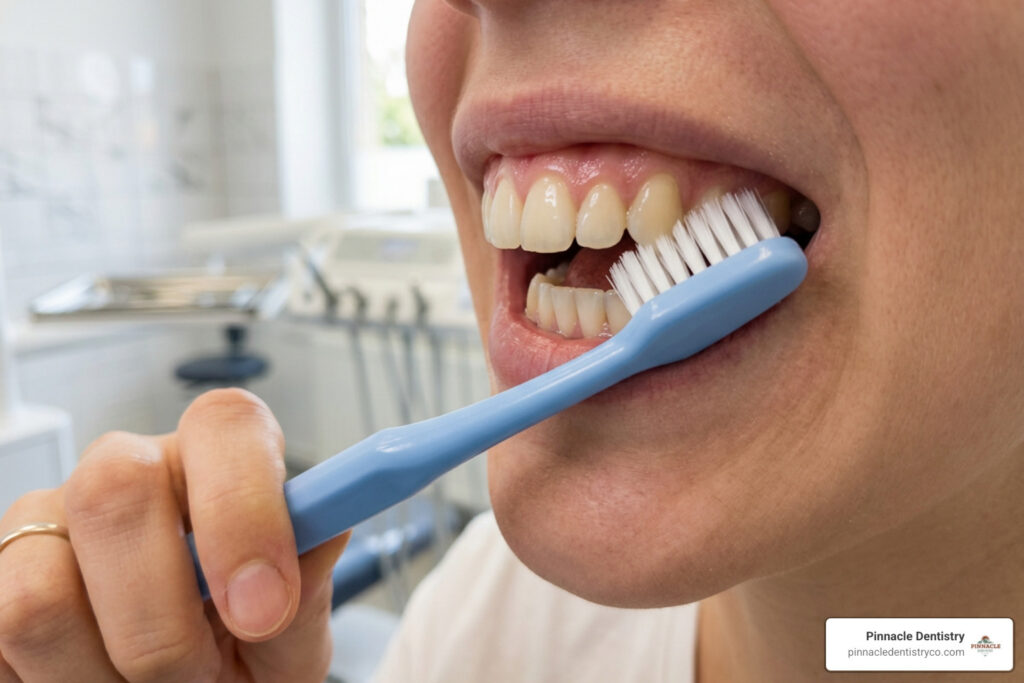
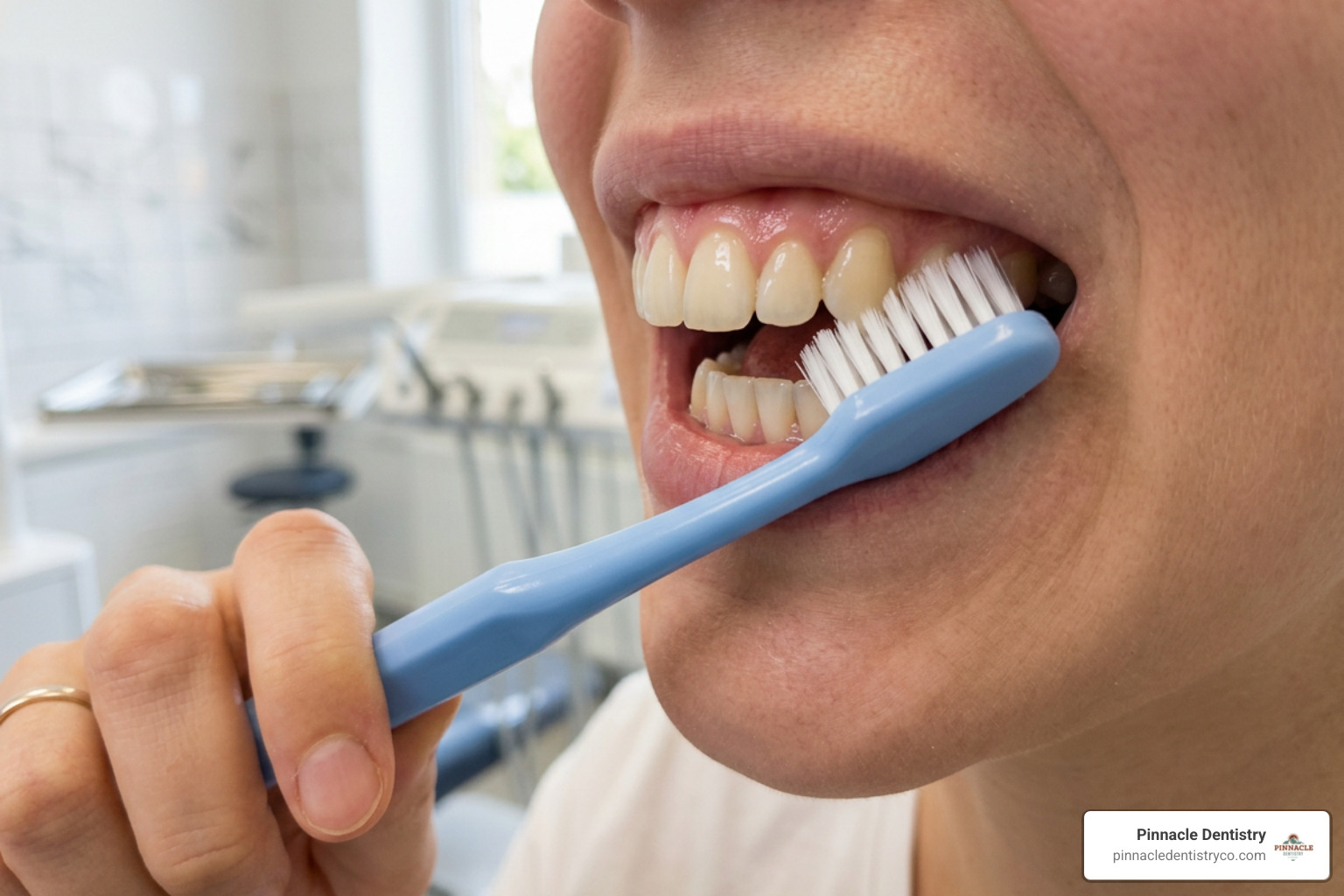
- Brush at a 45-Degree Angle: Place a soft-bristled toothbrush at a 45-degree angle toward the gumline. Use gentle, small circular motions rather than sawing back and forth horizontally. Clean the outer surfaces, inner surfaces, and flat chewing surfaces of every tooth.
- Commit to Two Full Minutes: Spend about 30 seconds on each quadrant of your mouth. Brushing for less than two minutes can leave plaque behind, particularly on the inner surfaces of lower molars and upper back teeth.
- Clean Between Your Teeth Daily: Toothbrush bristles cannot fully clean tight spaces between teeth, where cavities and gum disease often begin. Use floss, an interdental brush, or another dentist-recommended interdental aid.
- Use Adaptive Interdental Tools: If traditional string floss is difficult because of arthritis or limited dexterity, consider interdental brushes, floss holders, or water flossers. Ask your dental team which tool is appropriate for your teeth and dental work.
- Clean Your Tongue: Gently brush your tongue or use a tongue scraper to remove bacteria and food particles that can contribute to bad breath.
The Spit-Don’t-Rinse Rule and Fluoride Protection
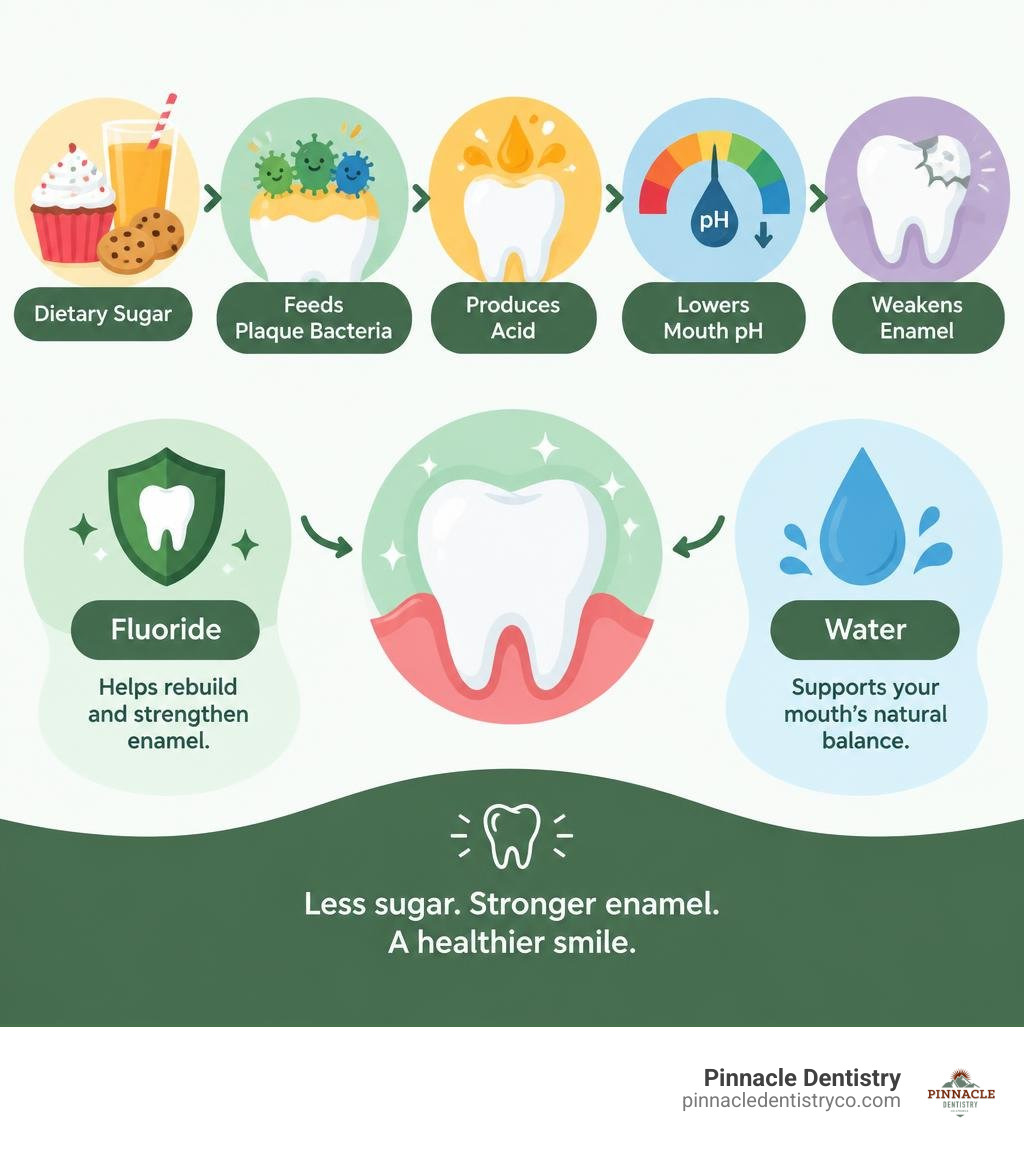
Fluoride is a naturally occurring mineral that helps rebuild weakened enamel through remineralization and can help reverse the earliest stages of tooth decay. To get the most from fluoride toothpaste, practice the “spit, don’t rinse” method.
When you finish brushing, spit out the excess foam, but do not immediately rinse your mouth with water. Rinsing right away can wash away fluoride left on the teeth. If you use a mouthwash, consider using it at a different time of day so it does not immediately dilute your toothpaste.
Nutrition, Lifestyle, and Environmental Risk Factors
What you eat and drink has a direct effect on your oral tissues. Frequent snacking on fermentable carbohydrates, sodas, and sticky sweets can fuel acid-producing bacteria, lower oral pH, and contribute to enamel demineralization. Limiting sugary or acidic drinks, choosing tooth-friendly snacks, and drinking water throughout the day can support a healthier mouth.
Tobacco use and heavy alcohol consumption are important risk factors for periodontal disease and oral cancer. Routine dental checkups include an evaluation of the teeth, gums, and oral tissues, helping the dental team identify changes that deserve prompt attention.
Dietary Choices, Smoking, and High-Altitude Hydration
Colorado Springs, CO, residents may notice that dry conditions, outdoor activity, and dehydration can leave their mouths feeling dry. Reduced saliva flow can make it harder for the mouth to neutralize acids, wash away food particles, and support enamel remineralization.
Saliva is your mouth’s natural defense mechanism. It neutralizes bacterial acids, washes away loose food particles, and delivers calcium and phosphate to remineralize enamel. Drink water regularly, chew sugar-free gum containing xylitol if appropriate for you, and consider using a cool-mist humidifier at night if dry air is contributing to discomfort.
Stage-Specific Care: From Infancy to Older Age
Oral healthcare needs shift across different stages of life:
- Infants and Toddlers: Dental wellness starts before the first baby tooth erupts. Wipe your baby’s gums with a clean, damp washcloth after feedings and schedule a first dental exam by their first birthday. Preventive options such as fluoride varnish and sealants can help protect developing teeth.
- Expectant Mothers: Hormonal changes during pregnancy can make gums more sensitive to plaque, leading to swelling, tenderness, and bleeding. If you experience morning sickness, do not brush immediately after vomiting. Instead, rinse gently with a baking-soda-and-water solution to neutralize acid, then wait about 30 minutes before brushing.
- Aging Smiles and Caregiver Support: Gum recession can expose softer root surfaces that are more vulnerable to decay. Wide-handled electric brushes and floss holders may help when dexterity is limited. If you wear dentures, remove and clean them daily as directed by your dental professional.
If you have bleeding gums, persistent bad breath, gum recession, or loose teeth, Pinnacle Dentistry can evaluate whether periodontal care is appropriate. Early evaluation can help protect the supporting tissues around your teeth.
Professional Oral Health Advice for Managing Dry Mouth and Medications
Chronic dry mouth, clinically known as xerostomia, is a common oral-health concern in adults. Many widely used medications, including some blood pressure medicines, antidepressants, antihistamines, decongestants, and pain relievers, can contribute to dry mouth.
To manage dry mouth comfortably:
- Sip water frequently throughout the day to keep oral tissues lubricated.
- Avoid mouthwashes containing alcohol, which may dry oral tissues.
- Use over-the-counter saliva substitutes, moisturizing gels, or oral sprays as recommended by a dentist or physician.
- Chew sugar-free gum with xylitol to encourage saliva flow when appropriate.
- Speak with your doctor or dentist if dry mouth symptoms are severe or persistent.
Professional Preventive Care and Warning Signs to Watch For
Diligent brushing and interdental cleaning at home are essential, but they cannot replace regular professional care. preventive dental care can help the Pinnacle Dentistry team identify and address concerns while they are still small and easier to manage.
What to Expect During Routine Cleanings and Exams
During a comprehensive preventive visit, your dental team may provide several layers of care:
- Diagnostic Imaging: Digital X-rays can help detect decay between teeth, bone loss, infections, and other concerns below the surface.
- Periodontal Probing: Your hygienist may measure the spaces around each tooth to check for signs of gum disease.
- Professional Cleaning and Scaling: Specialized instruments remove hardened tartar and bacterial buildup that cannot be removed with brushing alone.
- Oral Cancer Screening: Your dentist examines oral tissues for sores, white or red patches, lumps, or other changes that may need follow-up.
- Personalized Hygiene Coaching: Your team can point out areas that are easy to miss and recommend tools suited to your oral-health needs.
Recognizing the Signs of Gum Disease and Decay
Schedule a prompt dental examination if you notice any of these warning signs:
- Gums that bleed during routine brushing or flossing
- Persistent bad breath or a bad taste in your mouth that does not go away
- Red, swollen, or tender gum tissue
- Gums pulling away from your teeth, making teeth appear longer
- Sensitivity to hot, cold, or sugary drinks
- A persistent dull ache or sharp pain when biting down
- Loose or shifting permanent teeth
- Sores, lumps, or patches inside the mouth that fail to heal within two weeks
Frequently Asked Questions About Oral Hygiene
How many times a day should I brush and floss my teeth?
You should brush your teeth at least twice a day for two full minutes each session, once in the morning and once right before going to bed. Floss or clean between your teeth with an interdental aid at least once every day to remove plaque from spaces your toothbrush cannot reach.
Why should I spit and not rinse after brushing with fluoride toothpaste?
Spitting out excess toothpaste without rinsing leaves a concentrated layer of fluoride on your teeth. This topical contact strengthens your enamel and aids remineralization. Rinsing immediately with water washes this beneficial layer away, reducing its protective cavity-fighting power.
How does poor oral hygiene affect heart disease and diabetes?
Chronic gum infections allow harmful oral bacteria and inflammatory toxins to enter your bloodstream. In the cardiovascular system, this can lead to arterial inflammation and blood clots. For people with diabetes, systemic inflammation makes blood sugar harder to control, while poorly managed blood sugar makes gum infections worse.
What is the best way to clean between teeth if flossing hurts or is difficult?
If standard dental floss is challenging due to arthritis, tight spaces, or dental bridges, use interdental proxy brushes, floss holders, or water flossers. These adaptive tools clean between teeth effectively without causing painful friction or snapping against delicate gum tissue.
How often should adults and children visit the dentist for checkups?
Most children and adults should visit the dentist every six months for a routine exam and professional cleaning. Individuals with active gum disease, frequent cavities, or compromised immune systems may need maintenance cleanings every three to four months to keep bacterial levels under control.
What can pregnant women do to protect teeth from morning sickness acid?
Do not brush your teeth immediately after vomiting, as stomach acid temporarily softens enamel, and brushing can wear it down. Instead, swish and spit with a mixture of one teaspoon of baking soda in a cup of water to neutralize the acid, and wait at least 30 minutes before brushing.
How do dental sealants and fluoride varnish protect children’s teeth?
Fluoride varnish remineralizes enamel and can prevent about one-third of cavities in primary baby teeth. Dental sealants are thin, protective resin coatings applied to the chewing surfaces of permanent back molars, blocking food and bacteria to prevent up to 80% of cavities.
Why does living at high altitude in Colorado Springs, CO cause dry mouth?
High elevation in Colorado Springs, CO features lower humidity and atmospheric pressure, leading to accelerated respiration and faster dehydration. This reduces natural saliva flow, leaving teeth more vulnerable to bacterial acids and plaque accumulation.
What are the earliest warning signs of gum disease and cavities?
Early gum disease (gingivitis) often presents as mild gum redness, swelling, and bleeding during brushing or flossing. Early tooth decay often appears as chalky white spots on enamel or mild sensitivity to cold or sweet foods before turning into a visible cavity or toothache.
Can hardened tartar be removed at home with brushing?
No. Once soft dental plaque absorbs minerals from saliva and calcifies into tartar (calculus), it bonds firmly to tooth enamel. Brushing, flossing, or attempting to scrape teeth at home cannot remove tartar and can damage your gums and enamel. Tartar must be safely removed with professional dental scaling tools.
Conclusion
Establishing healthy daily hygiene habits, eating a balanced diet, staying hydrated, and scheduling routine dental cleanings are the cornerstones of lifelong oral health. Taking proactive care of your smile helps protect your teeth and gums while supporting your overall well-being. At Pinnacle Dentistry, our team provides personalized preventive, cosmetic, and restorative care for patients of all ages in Colorado Springs, CO, Briargate, CO, and throughout El Paso County, CO. If you are ready to refresh your dental routine or schedule your next family checkup, contact our preventive dental care specialists today.