


A first dentist appointment can feel like a big milestone for parents and young children. Clear expectations and familiar routines can help families approach the visit with confidence. Pinnacle Dentistry has served patients in Colorado Springs, CO, since 1989 through general and family dental care.
I am Dr. Thomas Jennings, DDS, MAGD, owner of Pinnacle Dentistry, and I have over 35 years of experience as a family dentist. This guide to a child’s first dentist appointment explains how to prepare, what to discuss, and when to contact our office. It also shares questions that can help parents feel ready for the visit.
Parents do not need to arrive with every answer already prepared. The visit is a chance to describe routines, ask questions, and learn what matters most right now. Bringing familiar details about your child’s day can make the conversation more useful.
Why Early Dental Visits Matter
A child’s first visit helps parents build a relationship with a dental team before concerns feel urgent. The CDC children’s guidance advises scheduling a dentist visit by a baby’s first birthday. Early conversations can also help families understand how everyday habits affect developing teeth.
Parents may be surprised that baby teeth still need careful attention. The CDC notes that more than half of children ages six to eight have had a cavity in a baby tooth. That fact makes prevention and regular professional guidance important from the start.
Pinnacle Dentistry provides family dental care for children from newborns through their teen years. Our team can talk with parents about growth, daily routines, and concerns that deserve a dentist’s attention. Families can also explore our children’s dental services when planning care for a growing child.
What Parents Can Discuss Early
The first visit gives parents a chance to ask practical questions about their child’s oral development. Your dentist may review habits, examine the mouth, and explain what future visits may involve. This is also a useful time to share any concerns about feeding, comfort, or changes you have noticed.
Parents often benefit from bringing a short list of questions to the appointment. That list can include routines at home, family dental history, and any recent changes in the child’s mouth. Clear communication helps the dental team tailor guidance to your family’s needs.
Why Baby Teeth Deserve Attention
Baby teeth support chewing, speech development, and space for adult teeth. When a child has discomfort or decay, eating and daily routines can become more difficult. A family dentist can help parents understand what healthy development looks like without making assumptions from home.
Daily habits and scheduled visits work together to support a child’s oral health. Parents do not need to manage every question alone or search for a diagnosis online. When something seems unusual, contact the dental office so a dentist can advise on the next step.
Preparing for the First Dentist Appointment
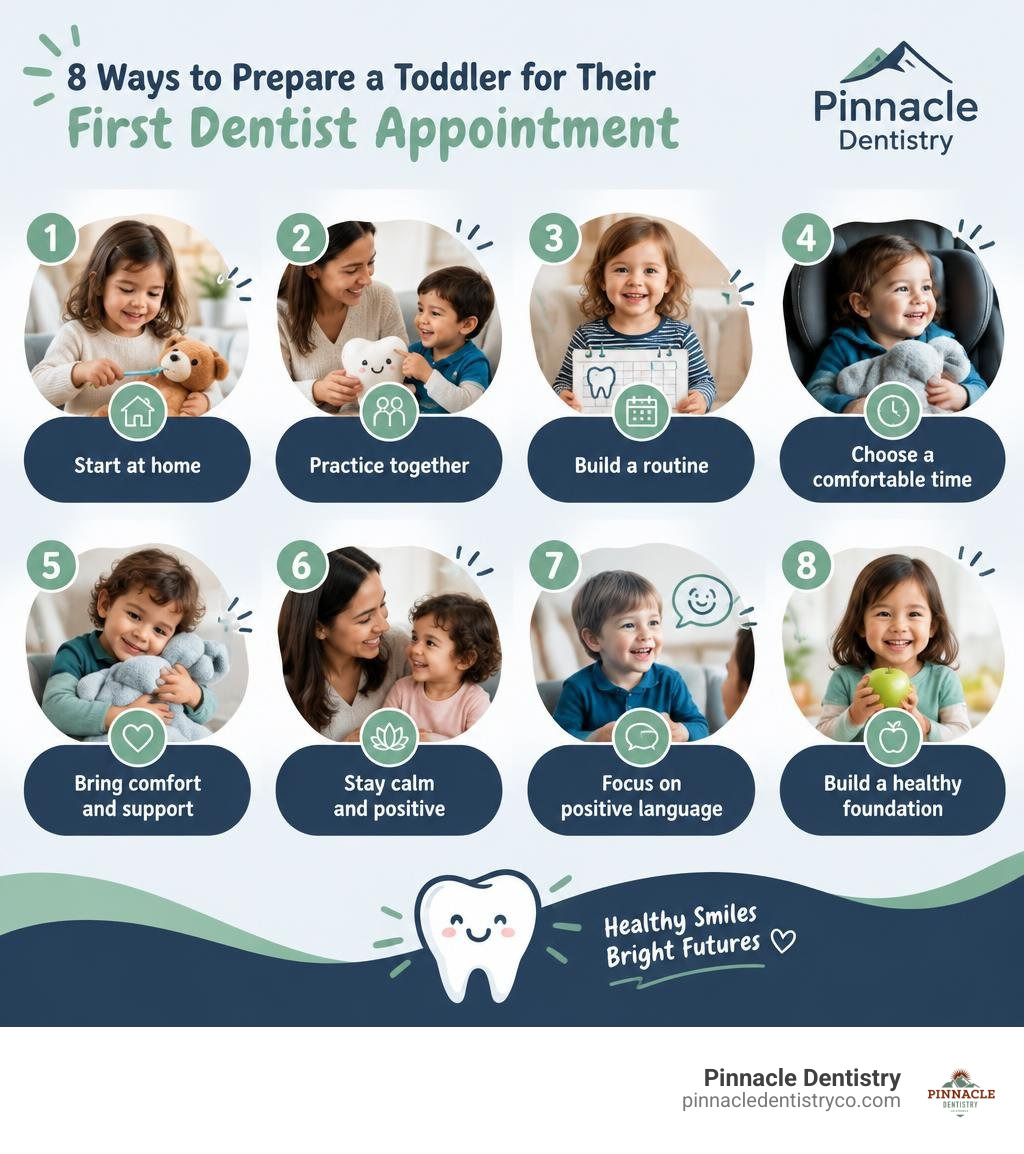
Preparation starts with calm language and realistic expectations. Children often notice a parent’s tone before they understand the reason for the visit. Presenting the appointment as a familiar part of caring for teeth can make the experience feel less intimidating.
Choose an appointment time when your child is usually rested and comfortable. Bring a favorite comfort item, such as a small toy or blanket, if that helps your child settle. Parents can also tell the office about communication needs before arriving.
Gentle Ways to Build Familiarity
Role-play can make an unfamiliar setting easier to understand. Let your child pretend to count a stuffed animal’s teeth or practice sitting still briefly. Storybooks can also introduce the idea that dental visits are routine and supportive.
Keep explanations short and positive without promising a particular reaction or outcome. Simple phrases about meeting the dentist and looking at teeth are usually enough. If your child asks a question you cannot answer, save it for the dental team.
Families looking for child-centered support within general dentistry can learn about our family dental care. Parents may also find practical ideas in these toothbrushing tips. Both resources can help make oral care feel more familiar before the appointment.
Parents can also prepare by arriving with the child’s comfort needs in mind. A familiar snack for later, a comfort object, and enough time to settle can reduce pressure. Let the team know if your child has sensory, communication, or separation concerns.
Before leaving home, explain only what your child needs to know about the visit. Too many details can make a new experience feel larger than it is. A simple plan gives your child room to respond naturally when they meet the dental team.
Helping a Child Feel Supported
Parents do not need to hide every feeling about dental visits. Instead, try to speak calmly and avoid using frightening words that may create worry. Your relaxed presence can help your child feel supported while the dental team leads the visit.
If a child becomes hesitant, the team can adjust the pace and explain each step simply. A parent may be invited to stay close and offer reassurance. The goal is to help children become familiar with regular family dental care over time.
What to Expect at Your Child’s Visit

A first visit is designed around your child’s age, comfort, and needs. The dentist may look at the teeth, gums, bite, and soft tissues. Parents can stay involved by sharing concerns and asking questions during the appointment.
For some young children, a parent may remain close while the dentist completes the examination. The dental team will explain what they see in plain language and discuss appropriate next steps. Every child responds differently, so the visit can move at a comfortable pace.
Dr. Thomas Jennings, DDS, MAGD, is the owner of Pinnacle Dentistry. He provides family dentistry in Colorado Springs, CO, with a focus on clear communication and thoughtful care. Our office serves children as part of general and family dental care.
Topics Worth Discussing
Parents can ask about tooth development, brushing routines, and habits that may affect oral health. Your dentist can also explain which concerns call for an office visit instead of waiting. These conversations help families make decisions with professional guidance.
It can help to mention any changes in appetite, comfort, speech, or daily routines. The dentist may ask follow-up questions and determine whether further evaluation is appropriate. This approach keeps the conversation focused on your child’s individual needs.
Families can learn more about regular checkups through our preventive care services. Preventive visits give parents a reliable place to raise questions as their child grows. They also help establish a consistent relationship with the same dental practice.
When to Contact the Office
Call the office right away if your child has urgent swelling, fever, trauma, or a knocked-out tooth. If the office is closed, go to the ER, and the dentist will advise on follow-up care. Do not rely on online guidance to determine the seriousness of an injury.
For less urgent questions, contact the office during regular hours, Monday through Friday from eight to five. The team can help you decide whether an appointment is needed. That guidance is more useful than trying to diagnose a concern at home.
Parents should avoid guessing about urgent symptoms based on a single online description. Swelling, fever, and trauma can need prompt professional attention. Calling the office allows the dental team to hear the details and direct your next step.
Everyday Oral Care for Young Children
Parents can build healthy routines by making oral care a calm part of each day. Young children learn best through repetition, encouragement, and help from an adult. Your dental team can provide guidance that fits your child’s stage of development.

MedlinePlus guidance says parents can clean a baby’s teeth with a soft, clean cloth or a baby’s toothbrush. Ask your dentist how much fluoride toothpaste is right for your child’s age; the CDC advises children under six to use a pea-sized amount and to spit it out. These recommendations give parents a useful starting point for a conversation with their dental team.
For children younger than two, ask your doctor or dentist before starting fluoride toothpaste. Supervision helps children practice the routine safely and consistently.
Making Brushing Part of the Day
Keep brushing language simple and encouraging rather than turning it into a test. Young children may cooperate more readily when the routine feels predictable. A dentist can answer questions about technique, timing, and supervision during a regular visit.
Parents can use familiar cues, such as brushing after morning and evening routines. Praise effort and keep the focus on learning, not perfection. More ideas for daily habits are available in our healthy teeth tips.
Food, Drinks, and Growing Teeth
Eating and drinking habits can affect how often teeth are exposed to sugars and acids. Families can ask their dentist about choices that fit their child’s routine and overall health needs. Consistent checkups create opportunities to revisit those conversations as children grow.
As children grow, their cooperation and routines can change quickly. Parents can bring those changes up at regular appointments without needing a problem first. Ongoing conversations help the dental team offer advice that stays relevant to your family.
Parents can mention what makes brushing easier or more difficult at home. Small details about preferences, resistance, or changing routines can guide a helpful discussion. The dental team can then offer advice that matches your child’s situation rather than generic instructions.
Some children may benefit from protective treatments after the dentist evaluates their teeth. Dental sealants can cover deep grooves where food and bacteria may collect. Our overview of dental sealants explains how this preventive option may fit into family care.
A dental visit can also help parents separate routine questions from concerns that need timely attention. Your dentist can explain which changes to monitor and when an appointment is appropriate. This keeps families from relying on generalized advice that may not fit their child.
If a child develops pain, swelling, fever, or a dental injury, contact the office right away. If the office is closed, go to the ER, and the dentist will advise. Prompt professional guidance is safer than trying home remedies.
Frequently Asked Questions About Children’s Dental Care
When should my child have a first dentist appointment?
The CDC advises scheduling a dental visit by your baby’s first birthday. An early visit gives your dentist a chance to discuss your child’s development and individual needs.
What happens at a baby’s first dental visit?
The dentist reviews your questions and looks at the mouth, teeth, gums, and development. Parents can stay nearby and learn what future visits may look like for their child.
Will my child need X-rays at the first visit?
X-rays are not automatically needed at every first visit. The dentist will recommend them only when they are appropriate for the child’s individual situation.
How much toothpaste should a toddler use?
Ask your dentist how much fluoride toothpaste is right for your child’s age. The CDC advises children under six to use a pea-sized amount and to spit it out; for children under two, check with a doctor or dentist first.
How do I keep my own dental anxiety from affecting my child?
Use calm, brief language and let the dental team explain the visit. Your child can take cues from your steady presence and familiar routines.
What if my toddler will not open their mouth?
Do not force the situation or make the visit feel like a struggle. Tell the dental team, who can adjust the approach and guide the next step.
How often should children see the dentist after the first visit?
Children should return as often as their dentist recommends. The recommended schedule can change as needs, development, and oral health change.
What are dental sealants and when are they used?
Dental sealants are protective coatings a dentist may recommend for certain teeth. The dentist will explain whether they are appropriate after examining your child’s mouth.
What should I do if my child injures a tooth?
Call the office right away for guidance about a tooth injury. If the office is closed, go to the ER, and the dentist will advise on follow-up care.
Can the whole family be seen at the same practice?
Many families appreciate having one dental practice for children, teens, and adults. A family dental office can coordinate care while addressing each patient’s individual needs.
Conclusion
A child’s early dental visits can give parents a trusted place to ask questions and discuss changes. Calm preparation, consistent routines, and clear communication can help families approach care with confidence. Pinnacle Dentistry serves children, teens, and adults through general and family dentistry in Colorado Springs, CO.
Choosing a family dental practice can make appointments easier to coordinate as children grow. It also gives parents a consistent point of contact for preventive questions and changing needs. Pinnacle Dentistry welcomes families seeking clear, respectful dental care in Colorado Springs, CO.
When your child has an urgent concern, call the office right away for guidance. If the office is closed and there is swelling, fever, trauma, or a knocked-out tooth, go to the ER. For routine care, you can schedule an appointment with our team.
Pinnacle Dentistry
Briargate Business Center
2430 Research Pkwy Suite 200
Colorado Springs, CO 80920