

Why Understanding TMJ Causes Can Help You Find Real Relief
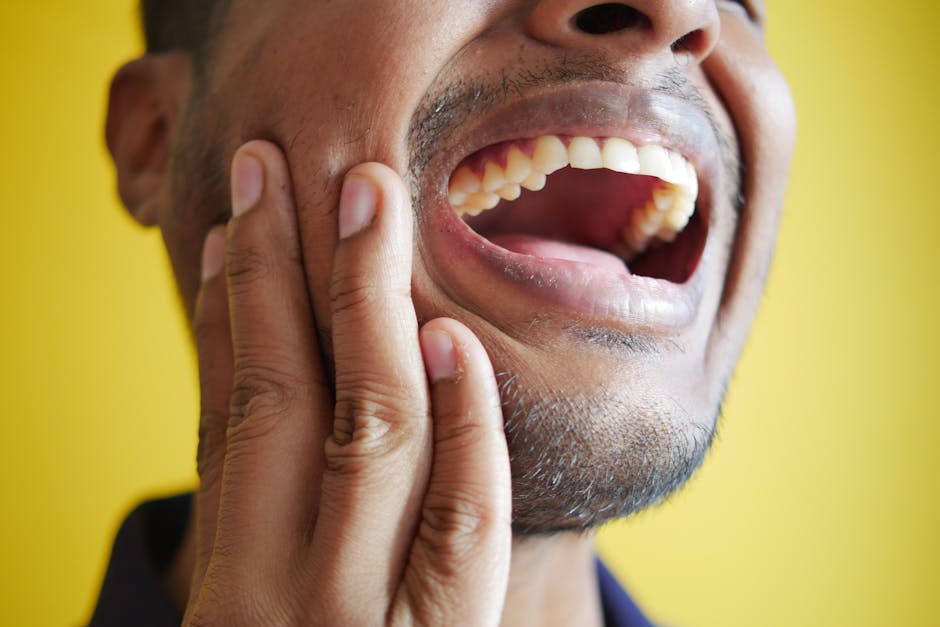
Understanding the primary TMJ causes is the first step toward finding lasting relief from chronic jaw discomfort. The most common triggers include:
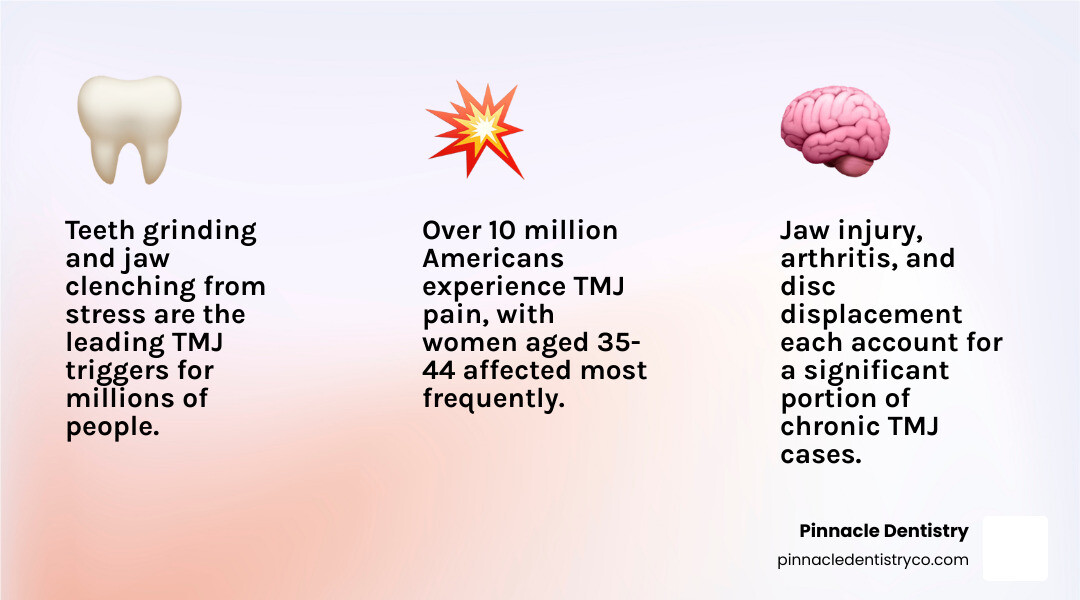
- Teeth grinding and jaw clenching (bruxism), which are often linked to stress or sleep habits
- Jaw injury or trauma resulting from accidents, sports, or dental procedures
- Arthritis, including both osteoarthritis and rheumatoid arthritis, which can affect the jaw joint
- Disc displacement, which occurs when the cushioning disc inside the joint shifts out of place
- Muscle fatigue and overuse caused by habits like gum chewing, nail biting, or poor posture
- Stress and psychological factors that create tension in the jaw muscles
- Genetic and hormonal factors, noting that women between 35 and 44 are most commonly affected
Jaw pain that won’t quit. A clicking sound every time you open your mouth. Headaches you can’t explain. Sound familiar?
You’re not alone. More than 10 million Americans deal with TMJ pain, yet many spend months, and occasionally even decades, without understanding what’s actually causing it.
Here’s the thing: TMJ disorders rarely have a single, simple cause. Research consistently shows they’re multifactorial, meaning several triggers often combine to create the problem. That’s what makes them tricky to pin down, which is why a one-size-fits-all fix rarely works.
In this guide, we’ll break down exactly what’s happening in your jaw, what triggers the pain, and what you can do about it.
I’m Dr. Thomas Jennings, DDS, MAGD, founder of Pinnacle Dentistry in Colorado Springs, CO, and I’ve spent over 35 years helping patients identify and manage TMJ causes through conservative, personalized care. With my Master of the Academy of General Dentistry designation and decades of hands-on experience, I’ll walk you through everything you need to know so you can move forward with confidence.
What is the Temporomandibular Joint and How Does It Work?
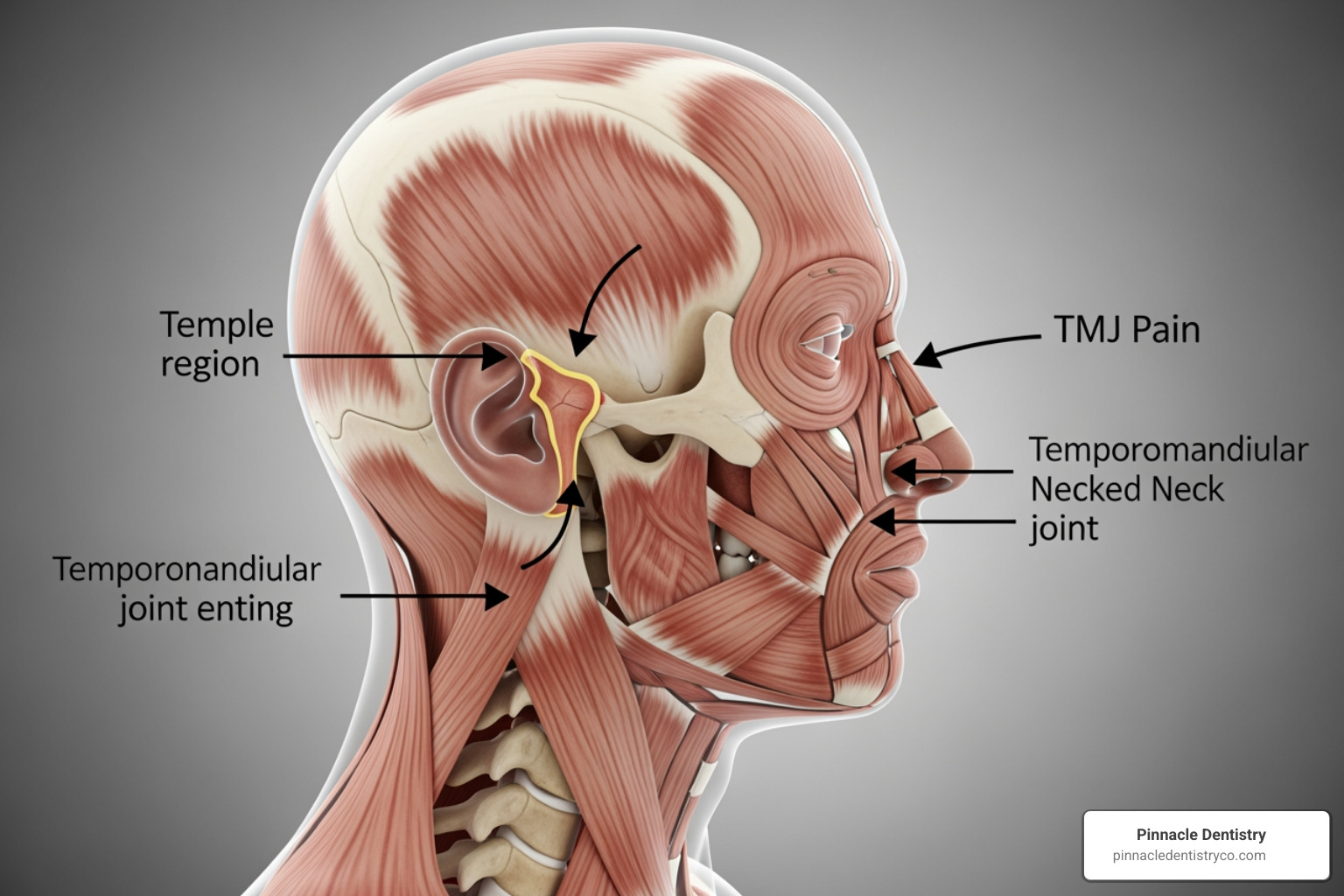
Before we dive into the specific triggers, it helps to understand the incredible machinery of your jaw. The temporomandibular joint, frequently referred to as the TMJ, is one of the most complex, hard-working joints in your entire body. You actually have two of them, located on each side of your face just in front of your ears.
These joints act like a sliding hinge that connects your lower jawbone (the mandible) to the temporal bone of your skull. Unlike a simple door hinge that only swings open and shut, the TMJ is a ginglymoarthrodial joint. This means it can perform two distinct types of movement: a rotational hinge motion to open your mouth slightly, and a translational sliding motion that allows your jaw to glide forward, backward, and side-to-side.
This multi-directional mobility is what allows you to talk, chew, yawn, and laugh effortlessly. To keep this complex movement smooth, a small, biconcave piece of cartilage called the articular disc sits between the bones. This disc acts as a shock absorber, preventing the bones from rubbing directly against each other.
When you understand what is TMJ and how it functions, it becomes clear that even a tiny imbalance in this delicate system can lead to discomfort. The joint is completely enveloped by a fibrous capsule filled with lubricating synovial fluid, and it relies on a highly coordinated network of muscles, ligaments, and nerves to function properly. According to detailed clinical research on the anatomy of the temporomandibular joint, the posterior portion of this articular disc is about 3 mm thick, while the anterior portion is around 2 mm thick. This precise structure ensures that the joint can handle the immense pressures generated by chewing, but it also means that any displacement of the disc can lead to clicking, popping, or painful joint lockups.
Investigating the Primary TMJ Causes
When patients visit us in Colorado Springs, CO, they often want to know the single event that triggered their pain. However, TMJ disorders (often called TMD) are rarely that simple. Instead of a single smoking gun, most cases of jaw pain stem from a combination of multifactorial triggers that gradually overload the joint and its supporting muscles.
Joint overload happens when the physical demands placed on the TMJ exceed its natural ability to adapt and heal. This overload can originate within the joint itself, or it can be driven by the muscles of mastication (the chewing muscles) that surround the jaw. To help you understand what might be happening in your specific case, let us explore the primary causes of TMJ pain by looking at how muscle-related habits and physical joint changes contribute to the condition.
How Stress and Bruxism Act as TMJ Causes
For many people, the path to jaw pain begins with involuntary daily habits. Bruxism, which is the medical term for grinding or clenching your teeth, is one of the most prominent TMJ causes we treat.
While some people grind their teeth during the day, nocturnal bruxism (grinding while asleep) is particularly damaging. When you are asleep, your body can exert far more force on your jaw than it ever would while you are awake. This constant, heavy pressure compresses the articular disc, strains the surrounding ligaments, and forces the jaw muscles to work overtime.
Stress and psychological anxiety play a massive role in this cycle. When you experience stress, your body naturally tenses up, and many people unconsciously carry that tension directly in their jaw. This constant muscle contraction leads to severe muscle fatigue and painful spasms. Over time, the overworked muscles become tender to the touch, leading to referral pain that can feel like a deep earache, a tension headache, or even a localized toothache.
Structural and Inflammatory TMJ Causes
While muscle tension is incredibly common, structural changes within the joint itself are also major TMJ causes. These internal joint issues can develop suddenly or progress slowly over several years.
- Direct Jaw Injury: A sudden impact to the face, such as a sports injury, a car accident, or even a fall, can damage the TMJ. This trauma can tear the delicate ligaments holding the articular disc in place, fracture the mandibular condyle, or cause bleeding inside the joint capsule. Sometimes, the symptoms of a past injury do not appear until years later, when scar tissue or joint imbalances finally catch up with you.
- Arthritis and Joint Degeneration: Just like your knees or hips, your jaw joints are susceptible to arthritis. Osteoarthritis can cause the protective cartilage on the bones to wear down, leading to painful bone-on-bone friction. Rheumatoid arthritis, an autoimmune condition, can cause the body’s immune system to attack the synovial membrane of the TMJ, resulting in chronic inflammation, swelling, and joint destruction.
- Disc Displacement: In a healthy jaw, the articular disc slides in perfect harmony with the jawbone. However, if the ligaments holding the disc are stretched or damaged, the disc can slip out of place. This is called internal joint derangement. The disc often slips forward, causing a physical obstruction. When you open your mouth, the disc may snap back into place with a clicking or popping sound. If the disc remains permanently displaced, it can block the jaw from opening fully, a condition known as lockjaw.
Understanding these structural differences is essential because it helps us target the root of the problem rather than just masking the symptoms.
Recognizing the Symptoms and Risk Factors of TMD
Because the TMJ is connected to so many muscles and nerves in the head and neck, a problem in the jaw joint can manifest in surprising ways. Many patients are shocked to learn that their chronic headaches, neck stiffness, or ear ringing are actually connected to their jaw.
If you are trying to determine whether your discomfort is linked to your jaw joint, it is helpful to look out for the common signs of TMJ disorder. The most frequent symptoms include:
- Dull, aching pain around the ears, temples, or jaw joints
- A clicking, popping, or grating sound when opening or closing your mouth
- Difficulty or pain when chewing hard or chewy foods
- An inability to open your mouth fully, or a jaw that gets stuck in an open or closed position
- Chronic tension headaches that seem to start in front of the ear or along the temples
- Neck, shoulder, or upper back pain due to altered chewing habits and muscle guarding
- Ringing in the ears (tinnitus) or a feeling of fullness in the ear canal
To help you understand your symptoms better, it is useful to categorize them. TMD is generally divided into muscle-related issues (myofascial pain) and joint-related issues (intraarticular disorders). The table below outlines how these two categories typically present:
| Symptom Characteristic | Muscle-Related TMD (Myofascial) | Joint-Related TMD (Intraarticular) |
|---|---|---|
| Primary Location of Pain | Cheeks, temples, neck, and shoulders | Directly in front of the ear canal |
| Pain Triggers | Stress, prolonged talking, morning stiffness | Chewing hard foods, yawning widely |
| Jaw Sounds | Usually none, or a soft muscle rub | Sharp clicking, popping, or grating sounds |
| Movement Limitations | General tightness, jaw feels tired | Sudden locking, jaw deviates to one side |
| Response to Rest | Improves quickly with relaxation | May still ache due to structural inflammation |
Certain risk factors also make some individuals more susceptible to developing these issues. For instance, TMD is twice as common in women than in men, with the peak incidence occurring in women between the ages of 35 and 44. While the exact reason for this gender gap is still being researched, hormonal differences, particularly the role of estrogen in joint cartilage and pain perception, are believed to play a significant role. Other risk factors include chronic pain conditions like fibromyalgia, hypermobility (being double-jointed), and poor posture, such as forward head posture from long hours spent looking at screens.
If you notice these symptoms developing, it is a good idea to seek a professional evaluation. Recognizing these warning signs early is the first step toward getting the right help, and learning to spot the 5 signs you might need TMJ therapy can save you from years of unnecessary discomfort.
How Healthcare Professionals Diagnose TMJ Disorders
Because TMJ pain can mimic other conditions, such as ear infections, sinus problems, or tooth decay, a thorough professional diagnosis is absolutely essential. There is no single, simple test to diagnose TMD, so healthcare providers rely on a comprehensive, step-by-step evaluation.
The diagnostic process begins with a detailed review of your medical and dental history. Your provider will ask about when your pain started, what makes it better or worse, and whether you have experienced any recent jaw injuries or high levels of stress.
Next, a hands-on physical exam is performed. Your provider will gently palpate your jaw joints and facial muscles to check for tenderness, swelling, or muscle spasms. They will listen to and feel your jaw as you open and close your mouth, noting any clicking, popping, or grinding sounds. They will also measure your jaw’s range of motion to see how wide you can open your mouth and how easily your jaw moves from side to side.
If a structural issue is suspected, advanced imaging may be recommended:
- Dental X-rays: These provide a clear view of your teeth and jawbones, helping to rule out dental infections or bone abnormalities.
- CT Scans: A CT scan offers highly detailed, three-dimensional images of the bony structures of the joint, making it excellent for detecting arthritis or joint degeneration.
- MRI Imaging: Because the articular disc is made of soft tissue, it does not show up clearly on standard X-rays. An MRI is the gold standard for viewing the soft tissues, allowing your provider to see exactly where the disc is positioned and whether it is damaged or displaced.
When seeking an accurate diagnosis, knowing who to see for TMJ is incredibly important. You want to consult with a dentist who has advanced training in craniofacial pain and TMJ disorders, as they have the specialized skills needed to differentiate between muscle fatigue and structural joint damage.
Effective Non-Surgical Treatments and Relief Strategies
The good news is that the vast majority of TMJ cases can be successfully managed without surgery. In fact, research shows that up to 80% of patients experience significant improvement within a few weeks using conservative, non-invasive treatments.
At Pinnacle Dentistry, we always advocate for a conservative-first approach. Because TMJ symptoms can resolve over time with simple self-care, starting with gentle, reversible therapies is the safest and most effective path forward.
Some of the most effective non-surgical relief strategies include:
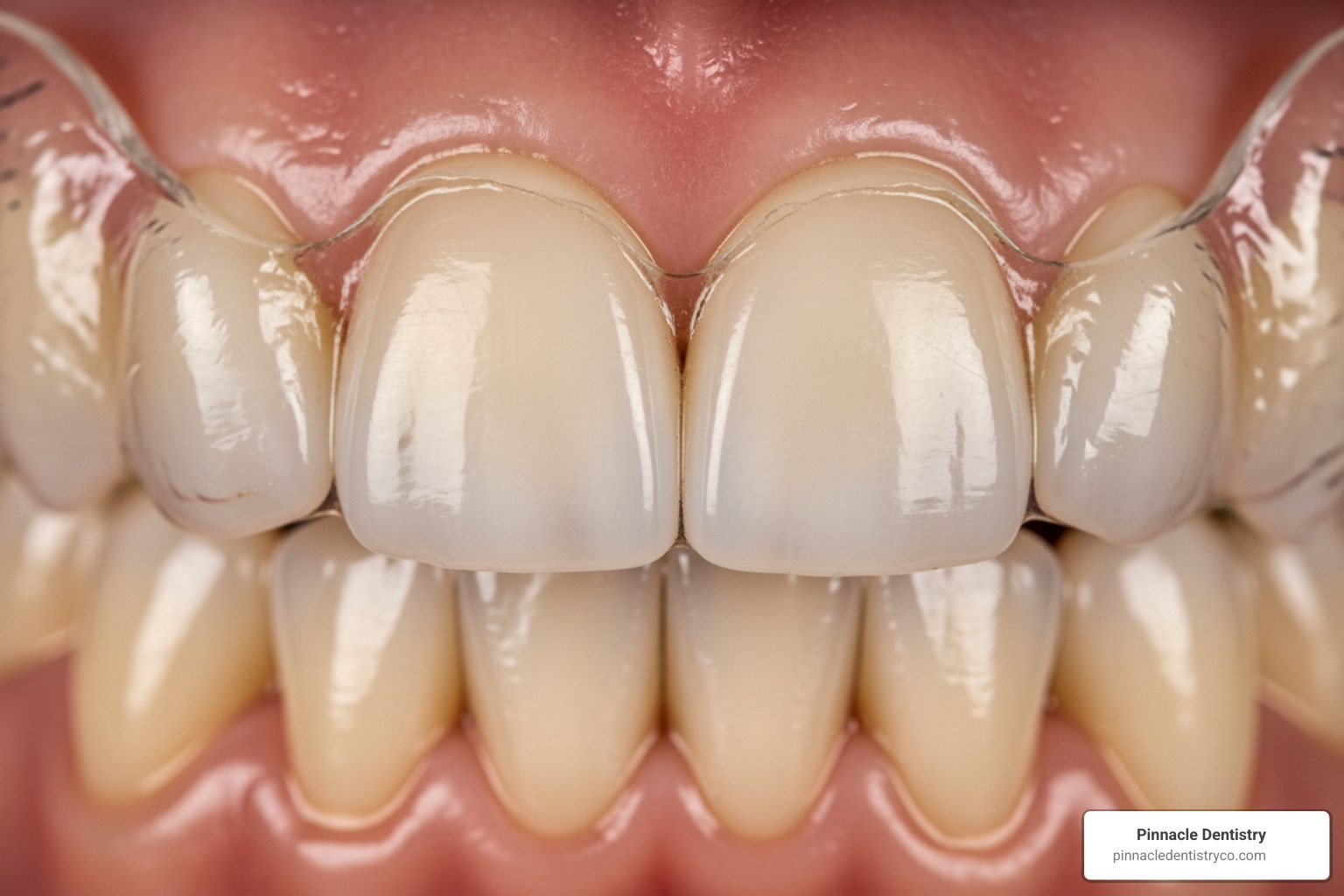
- Custom-Fitted Oral Appliances: Often called splints, nightguards, or bite plates, these are custom-made plastic devices that fit over your upper or lower teeth. They prevent your teeth from clenching together, which immediately reduces pressure on the jaw joint and allows the overworked muscles to rest.
- Physical Therapy: A specialized physical therapist can teach you gentle jaw stretching and strengthening exercises. They may also use therapeutic ultrasound, moist heat, or cold therapy to reduce inflammation and improve your jaw’s range of motion.
- Dietary Modifications: Giving your jaw a temporary vacation from hard work can do wonders. Switching to a soft food diet, consisting of smoothies, soups, yogurt, and mashed potatoes, prevents joint overload while the tissues are healing. You should also avoid chewing gum, biting your nails, or taking giant bites of food.
- Stress Management: Since stress is one of the major TMJ causes, finding healthy ways to unwind can directly reduce jaw tension. Techniques like deep breathing exercises, meditation, yoga, or counseling can help you break the habit of clenching your jaw when stressed.
- Medications: Over-the-counter pain relievers and anti-inflammatory drugs, such as ibuprofen, can help manage acute flare-ups. In some cases, a doctor may prescribe a temporary muscle relaxant to help calm severe jaw spasms.
Implementing these simple lifestyle changes can make a massive difference. If you are currently dealing with a painful flare-up, reviewing our practical TMJ pain relief tips can give you immediate, actionable steps to find comfort at home. For a broader look at your options, you can also explore common treatments for TMJ disorder to see how modern dentistry addresses these complex issues.
When is Surgery Considered for Severe TMJ Cases?
While conservative treatments are highly successful for most people, a small percentage of patients may have severe, structural joint damage that does not respond to non-surgical therapies. In these rare cases, surgical intervention may be discussed.
It is important to emphasize that surgery should always be considered a last resort, used only after all conservative options have been thoroughly tried and exhausted. If your symptoms are severely impacting your quality of life, making it difficult to eat, speak, or sleep, a surgical evaluation may be appropriate.
Some of the surgical options available for severe TMJ issues include:
- Arthrocentesis: This is a minimally invasive, outpatient procedure. A specialist inserts small needles into the joint space to flush out inflammatory byproducts and joint debris with sterile fluid. This can help reduce pain and restore joint mobility.
- TMJ Arthroscopy: Similar to arthroscopy used on knees or shoulders, a small camera (arthroscope) is inserted into the joint through a tiny incision. This allows the surgeon to visualize the joint, remove scar tissue, or reposition a displaced disc with minimal risk and a quick recovery time.
- Open-Joint Surgery (Arthroplasty): If the joint is severely damaged by advanced arthritis or complex structural issues, open-joint surgery may be required. This allows the surgeon to repair, reposition, or replace the articular disc, or even rebuild parts of the joint.
According to clinical guidelines on TMJ disorders diagnosis and treatment, minimally invasive options like arthrocentesis have very high success rates and far fewer risks than open-joint surgery. If you are wondering about long-term recovery and whether it is possible to cure TMJ permanently, the answer depends heavily on finding and treating the exact structural cause of your pain.
Frequently Asked Questions About TMJ Pain
What are the most common TMJ causes?
The primary TMJ causes are multifactorial, meaning they usually stem from a combination of factors. The most common triggers include chronic teeth grinding and jaw clenching (bruxism), direct injuries to the face or jaw, various types of arthritis that damage the joint cartilage, and displacement of the internal articular disc. Stress, poor posture, and excessive gum chewing can also overload the joint and lead to pain.
Can stress directly cause TMJ flare-ups?
While stress does not physically damage the joint on its own, it is a major contributor to TMJ flare-ups. When you are stressed, your body naturally holds tension in your facial muscles, leading to subconscious jaw clenching and teeth grinding. This constant muscle contraction deprives the tissues of rest, leading to severe muscle fatigue, painful spasms, and inflammation in the joint.
How do I know if my jaw clicking is serious?
Occasional jaw clicking or popping without any accompanying pain or limited movement is actually very common and is generally considered normal. It typically does not require medical treatment. However, if your jaw clicking is accompanied by pain, swelling, difficulty chewing, or a jaw that gets stuck or locked, it is a sign of a structural issue that should be evaluated by a professional.
Can a misaligned bite be one of the TMJ causes?
A misaligned bite, where your upper and lower teeth do not fit together properly, can place uneven pressure on your jaw joints when you chew. While research shows that a bad bite is rarely the sole cause of TMD, it can certainly contribute to joint strain and muscle fatigue, making you more vulnerable to TMJ pain when combined with other factors like stress or bruxism.
What is the difference between TMJ and TMD?
The terms are often used interchangeably, but they refer to different things. TMJ refers strictly to the anatomy of the joint itself, the temporomandibular joint. TMD stands for temporomandibular disorder, which is the medical term for the group of conditions, symptoms, and pain associated with the dysfunction of this joint and its surrounding muscles.
Are women more likely to develop TMJ disorders?
Yes, TMD is twice as common in women than in men, particularly in women between the ages of 35 and 44. While the exact reasons are still being studied, researchers believe that hormonal differences, specifically estrogen’s effect on joint cartilage, ligaments, and pain pathways, make women more susceptible to joint laxity and inflammation.
Can poor posture contribute to jaw pain?
Absolutely. Spending long hours slouched in front of a computer or phone can lead to a forward head posture. This position strains the muscles of your neck, shoulders, and back, which are directly connected to the muscles that control your jaw. Over time, this chronic muscle strain pulls your jaw out of its natural alignment, leading to joint strain and pain.
How long does a typical TMJ flare-up last?
For many people, a TMJ flare-up is temporary and will resolve on its own within a few weeks with simple self-care, such as eating soft foods and applying warm compresses. However, if the underlying causes, like severe bruxism or joint degeneration, are not addressed, the pain can become a chronic condition that lasts for months or years.
Can wearing a nightguard help relieve TMJ discomfort?
Yes, a custom-made oral nightguard is one of the most effective ways to relieve TMJ pain caused by nighttime grinding and clenching. The guard acts as a physical barrier, absorbing the immense pressure of bruxism, keeping your jaw muscles relaxed, and preventing the articular disc from being compressed during sleep.
When should I see a dentist in Colorado Springs, CO for jaw pain?
You should schedule an appointment if your jaw pain is persistent, severe, or worsening over time. Other warning signs that require professional care include an inability to open or close your mouth fully, painful clicking or popping sounds, difficulty swallowing, or if your jaw pain is accompanied by chronic headaches and neck tension that affect your daily life.
Conclusion
Living with TMJ pain can feel exhausting, but you do not have to navigate it alone. By understanding the unique TMJ causes behind your discomfort, you can take control of your health and find a path toward lasting relief. Whether your pain stems from stress-induced clenching, a past injury, or a structural joint issue, identifying the root cause is the key to effective treatment.
At Pinnacle Dentistry, we are proud to serve families throughout Colorado Springs, CO, and the surrounding El Paso County, CO region. Our practice is built on a foundation of personalized, compassionate care. As certified MAGD dentists, a rare distinction achieved by less than 2% of general dentists nationwide, we have the advanced training and clinical expertise required to diagnose and treat complex jaw disorders safely and effectively.
We believe in starting with gentle, non-invasive therapies designed to restore harmony to your jaw without unnecessary interventions. If you are tired of dealing with chronic jaw pain, clicking, or tension headaches, let us help you find answers. We invite you to schedule your TMJ therapy consultation today to begin your journey toward a pain-free life.
