
Do cavities cause bad breath? They can, especially when decay creates spaces where bacteria and food debris collect.
Bad breath, also called halitosis, can have several oral causes. A cavity may contribute when bacteria remain inside damaged tooth structure. Persistent odor, sensitivity, or a changed taste deserves a timely dental examination.
The CDC overview explains that mouth bacteria stick to teeth and produce acid that dissolves enamel. It also reports that 1 in 5 adults aged 20 to 64 has at least one untreated cavity. That context helps explain why early examinations matter.
I am Dr. Thomas Jennings, DDS, MAGD, owner of Pinnacle Dentistry, and I have over 35 years of experience as a family dentist. At our Colorado Springs, CO practice, we focus on clear explanations and practical dental care. This article answers the question “Do cavities cause bad breath?” and explains what a dentist looks for.
If breath changes persist, the cause is not always obvious. The sections below explain how decay, gum concerns, dry mouth, and other factors may relate to oral odor.
Do Cavities Cause Bad Breath? Understanding the Link
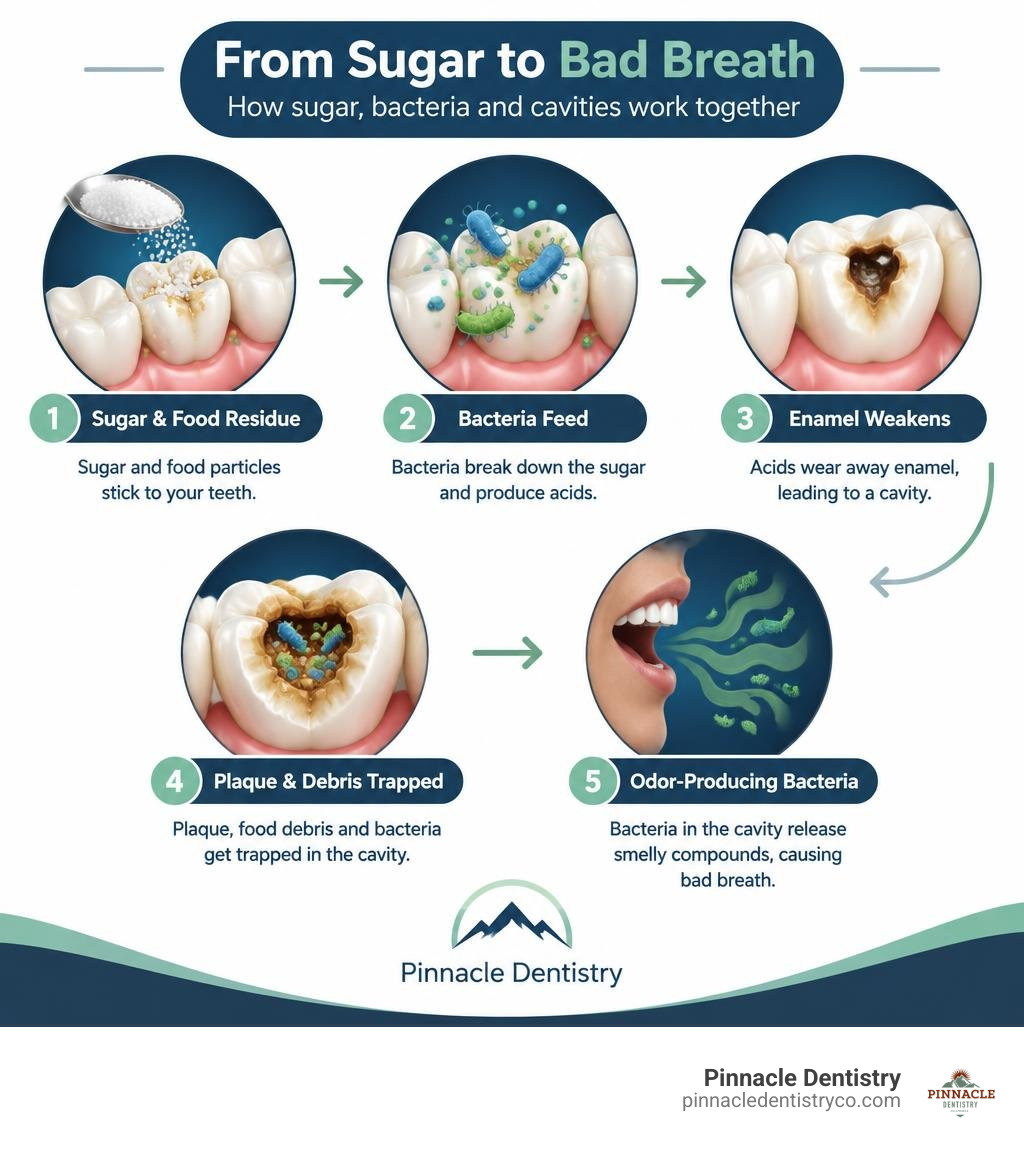
Tooth decay begins when bacteria use sugars and starches left on teeth. Their acids gradually weaken enamel, the hard outer tooth layer. A cavity can form when that weakened area breaks down.
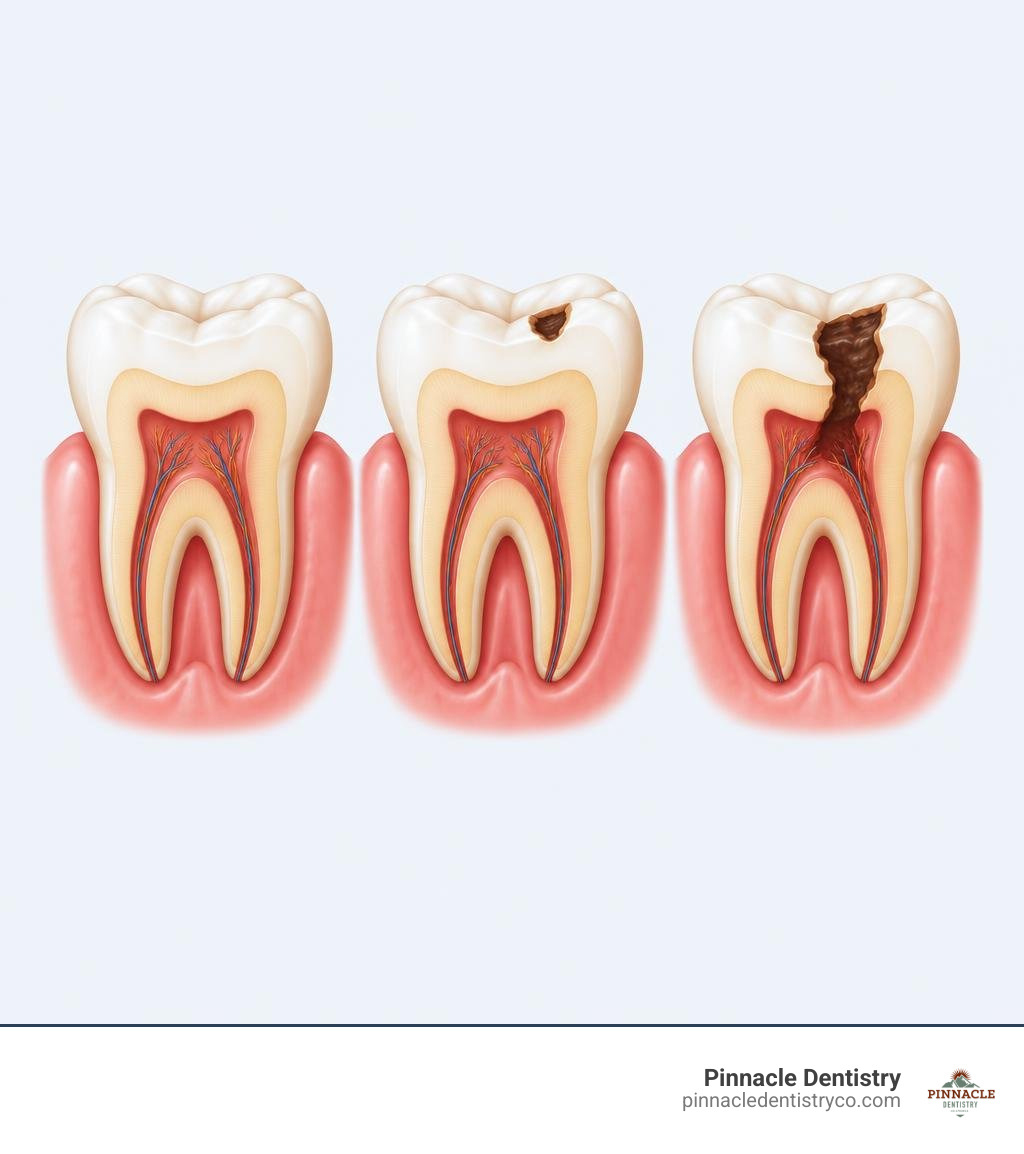
A cavity can create a rough area where plaque and food debris are harder to remove. Plaque is a sticky bacterial film that builds on teeth. Those trapped materials may contribute to an unpleasant taste or odor.
The odor may be more noticeable when decay extends beyond enamel. Dentin is the softer layer beneath enamel, and it contains tiny channels. Bacteria can remain in that protected space until a dentist removes the decay.
Direct and Indirect Causes of Odor
Bacteria inside decayed areas may contribute to odor. They may also affect breath indirectly by holding plaque and food particles. Brushing can clean nearby surfaces without reaching every uneven part of decay.
That does not mean every instance of bad breath comes from a cavity. Gum inflammation, tongue coating, dry mouth, and other concerns may also play a role. An examination helps identify which factor needs attention.
When Decay Reaches Deeper Tooth Layers
Cavities often do not hurt until they become larger, as MedlinePlus explains. When decay reaches the pulp, the soft inner tissue containing nerves and blood vessels, symptoms may become more noticeable. A dentist can evaluate the tooth and discuss the appropriate treatment.
An abscess is a pocket of infection that can form around a tooth. Severe pain, facial swelling, fever, or an abscess requires prompt attention. Call the office right away, and if the office is closed, go to the ER.
When deeper treatment is needed, our root canal guide explains the goals of saving a tooth. The dentist can address the infection and protect the remaining tooth structure. Treatment recommendations depend on the examination and the tooth’s condition.
Symptoms That May Link Cavities and Bad Breath
A changed taste or persistent odor may point to a dental concern. Some people notice odor around one tooth after eating or flossing. Others notice sensitivity, rough edges, or food repeatedly catching in one place.
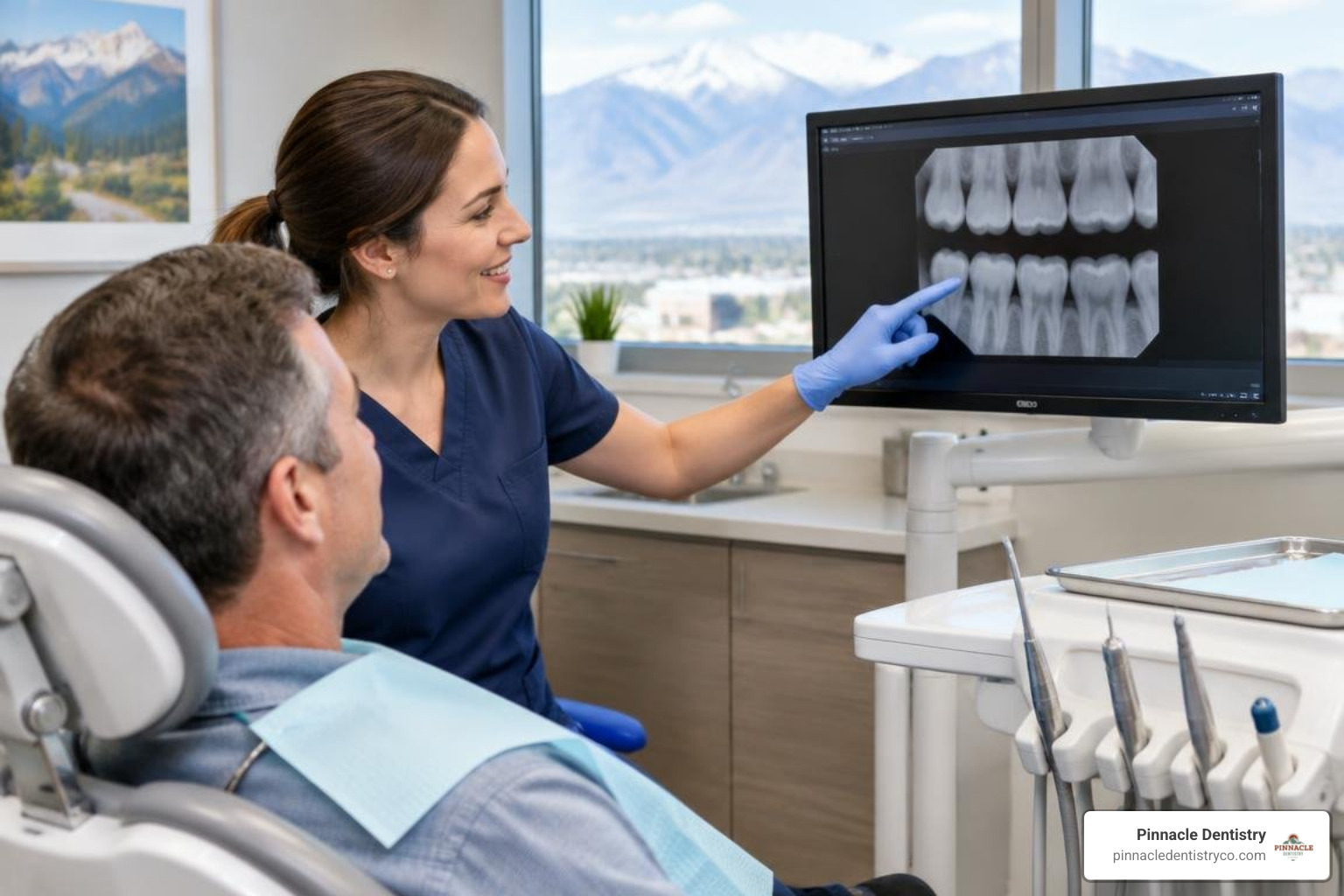
Visible tooth changes can also be worth discussing during an examination. Dark spots, chalky areas, or pits may reflect changes in enamel. However, appearance alone cannot confirm the cause of breath concerns.
A cavity can progress without early pain. The dentist looks at the teeth, gums, and surrounding tissues before recommending care. This broader review helps avoid assuming one symptom has only one cause.
Early Changes Worth Bringing Up
Early decay may appear as a small white or discolored area. You might also notice brief sensitivity to temperature or sweetness. These signs do not diagnose a cavity, but they are useful details to share.
Food catching in the same area can be another reason to schedule an appointment. The dentist can check whether the contact between teeth, an existing restoration, or decay is involved. Early evaluation can make treatment planning more straightforward.
If a tooth feels rough, avoid trying to scrape or repair it at home. Instead, see your dentist for an examination. A professional evaluation protects the tooth and clarifies what should happen next.
Urgent Symptoms Need Prompt Care
Severe tooth pain, facial swelling, fever, drainage, or trauma can signal a more urgent problem. These symptoms should not wait for a routine visit. Call the office right away, and if the office is closed, go to the ER.
A pimple-like bump on the gum can be associated with an infection. A sudden change in tooth color or trouble chewing may also need prompt evaluation. The dentist can explain whether the tooth needs restorative care or another approach.
Our filling treatment guide describes what patients can expect during a common restoration. It is helpful background before an appointment, not a substitute for an examination. Your dentist can tailor recommendations to your symptoms and tooth.
Other Oral Health Factors Behind Persistent Bad Breath
Tooth decay is only one possible source of oral odor. At Pinnacle Dentistry, our examinations consider the teeth, gums, tongue, and saliva. That approach helps patients understand which concerns may be connected.
Gum inflammation can create odor when plaque remains along the gumline. Periodontal disease is gum disease that affects the tissues supporting teeth. Redness, bleeding, tenderness, or loose teeth deserve a dental examination.
Some people also have breath concerns when nasal congestion encourages mouth breathing. Our article on allergies and breath discusses that connection in more detail. Dry tissues can allow odor-causing bacteria to remain longer in the mouth.
Gum Disease and Tongue Coating
Plaque can build along the gums and below the gumline. In deeper spaces around teeth, bacteria may produce noticeable odor. The dentist can check gum health and explain whether periodontal care is appropriate.
A coating on the tongue can also contribute to breath changes. The tongue has a textured surface that can hold bacteria and debris. This is one reason an examination considers more than one tooth.
Patients sometimes notice breath changes alongside bleeding gums. That combination should be discussed with a dentist rather than treated as a cosmetic concern. Addressing the underlying oral issue is more useful than simply masking odor.
Dry Mouth and Saliva Changes
Saliva rinses away loose debris and helps balance acids in the mouth. Dry mouth means saliva flow is reduced, which can make breath concerns more noticeable. Some medications can reduce saliva, and the dentist can discuss that during your visit.
Mouth breathing and dehydration may also leave the mouth feeling dry. A dentist can look for oral changes and discuss possible contributing factors. If dry mouth persists, mention when it occurs and any related symptoms.
For more perspective on common odor sources, see our bad breath overview. The goal is to identify the dental concern rather than make assumptions. Care starts with a conversation and a thorough examination.
Dental Treatment for Cavities and Breath Concerns
When a cavity contributes to bad breath, the dentist focuses on the damaged tooth and surrounding tissues. Treatment aims to remove decay, restore the tooth, and address factors identified during the examination. The exact plan depends on the cavity’s depth and location.
Patients often worry that a breath concern means something is seriously wrong. In many cases, an examination provides clearer answers than trying to guess the cause. Sharing symptoms early helps the dentist decide what to evaluate first.
A dental visit also creates space for questions about breath changes. Patients can describe when the odor began and whether sensitivity occurs. Those details help the dentist understand which areas deserve closer attention.
Restoring a Tooth With Decay
A filling is a common treatment for a cavity that has not reached deeper tooth structures. MedlinePlus explains that fillings remove decay and replace it with a material such as composite resin. This restores the tooth’s shape and closes the area where debris can collect.
Our dental fillings page explains how restorations support damaged teeth. The dentist will review the tooth, explain the recommended procedure, and answer questions. No treatment recommendation should be made without evaluating the individual tooth.
Before treatment begins, the dentist considers the amount of healthy tooth structure remaining. They also review the tooth’s position, symptoms, and nearby gum tissue. That careful planning helps match the restoration to the clinical concern.
If decay extends farther into the tooth, a filling may not be the right option. The dentist may discuss a crown, root canal treatment, or another restorative approach. The goal is to treat the specific problem while preserving healthy tooth structure whenever possible.
What to Expect From an Examination
An examination helps separate cavity-related odor from gum concerns, dry mouth, or other oral conditions. Your dentist may examine teeth and gums, ask about symptoms, and take imaging when appropriate. This information guides a treatment plan that fits your needs.
During the visit, your care team may also look at existing fillings or crowns. Rough edges, gaps, or worn restorations can sometimes collect plaque and debris. Identifying those areas helps the dentist explain what is contributing to your symptoms.
Persistent bad breath deserves a dental visit, especially with tooth sensitivity or a changed taste. If you have swelling, fever, severe pain, drainage, or trauma, call the office right away. If the office is closed, go to the ER.
Pinnacle Dentistry provides general dentistry care for patients in Colorado Springs, CO. We explain findings in plain language and discuss available options. Serving patients since 1989, our practice helps families make informed dental decisions.
Preventing Further Tooth Damage
The dentist can also identify habits that increase the likelihood of new decay. Regular visits allow small changes to be discussed before they become more involved. Your care team can give personalized guidance based on your teeth, gums, and dental history.
Your dentist may recommend follow-up based on the treatment completed and your oral health needs. This can include monitoring a tooth, checking a restoration, or reviewing gum health. The purpose is to keep your dental care organized and responsive.
Breath concerns can feel embarrassing, but they are worth bringing up directly. Clear details about timing, taste, sensitivity, and gum changes help the dentist evaluate possible causes. A focused conversation can make the appointment more productive.
Frequently Asked Questions About Cavities and Bad Breath
Can a small cavity cause bad breath?
A small cavity may contribute to bad breath when it holds plaque or food debris. It may not cause noticeable symptoms on its own. A dentist can examine the area and look for other possible oral causes.
What does breath from a cavity smell like?
People may describe the odor as sour, stale, or unpleasant. The exact smell does not identify a cavity by itself. Gum problems, tongue coating, and dry mouth can create similar concerns.
Will brushing get rid of bad breath from a cavity?
Brushing can clean tooth surfaces and freshen the mouth temporarily. It cannot remove decay from inside a damaged tooth. See your dentist if odor continues or one area feels sensitive.
Does a filling fix bad breath caused by a cavity?
A filling can address decay when a cavity is the source of trapped bacteria and debris. However, breath concerns can have more than one cause. The dentist can examine your mouth and explain whether a filling is appropriate.
How can I tell if bad breath comes from a cavity or from my gums?
A cavity may be associated with sensitivity, food catching, or a changed taste near one tooth. Gum concerns may include bleeding, tenderness, or odor affecting the whole mouth. Only an examination can determine what is contributing.
Can tooth decay cause bad breath in children?
Tooth decay can contribute to bad breath in children as it can in adults. Changes in breath, eating, or comfort should be discussed with a dentist. Early dental care can help identify the concern and guide the next steps.
Why does bad breath stay after I floss near a decayed tooth?
Floss may remove debris between teeth without reaching inside a cavity. If decay or a rough restoration is involved, odor can remain after flossing. A dentist can inspect the area and recommend appropriate care.
How does dry mouth affect cavities and breath?
Reduced saliva can leave more bacteria and food debris in the mouth. That can make both decay risk and breath concerns more noticeable. Some medications can reduce saliva, and the dentist can discuss it with you.
What should I do while waiting for my dental appointment?
See your dentist as soon as you can, especially if bad breath comes with sensitivity or a changed taste. Avoid trying to treat the tooth yourself or relying on home remedies. For swelling, fever, or severe pain, call the office right away, and if the office is closed, go to the ER.
When is bad breath with tooth pain an emergency?
Bad breath with severe tooth pain, facial swelling, fever, drainage, or trauma needs urgent attention. Call the office right away, and if the office is closed, go to the ER. A dentist or emergency clinician can assess the problem and advise the next steps. If swelling makes it hard to breathe or swallow, call 911.
Conclusion
Bad breath can have several oral causes, including cavities, gum concerns, tongue coating, and dry mouth. When decay is involved, an examination helps the dentist identify the tooth and discuss treatment. Prompt care is especially important when symptoms are changing or becoming more uncomfortable.
At Pinnacle Dentistry, Dr. Thomas Jennings, DDS, MAGD, leads a general and family dental practice in Colorado Springs, CO. We have been serving patients since 1989 with clear explanations and personalized care. If you have persistent breath concerns or tooth symptoms, schedule an appointment with our team.
Pinnacle Dentistry
Briargate Business Center
2430 Research Pkwy Suite 200
Colorado Springs, CO 80920