

What It Means When Your Filled Tooth Is Sensitive to Cold
A filled tooth sensitive to cold is one of the most common concerns patients bring up after a dental procedure, and the good news is that it is usually temporary and completely normal. That sharp “zing” you feel when sipping cold water or eating ice cream after a filling is your tooth’s nerve responding to the irritation caused by the procedure itself.
Here is a quick summary of what causes it and what to do:
| Situation | What It Likely Means | What To Do |
|---|---|---|
| Mild cold sensitivity, first 1-2 weeks | Normal nerve irritation from the procedure | Use desensitizing toothpaste, avoid cold foods |
| Pain when biting, starts 24-48 hrs after filling | Filling may be too high (bite misalignment) | Call your dentist for a quick bite adjustment |
| Sensitivity improving day by day | Normal healing | Continue home care, monitor progress |
| Sensitivity lasting more than 2-4 weeks | May need further evaluation | Schedule a dental appointment |
| Constant throbbing, night pain, or swelling | Possible infection or pulpitis | Contact your dentist same day |
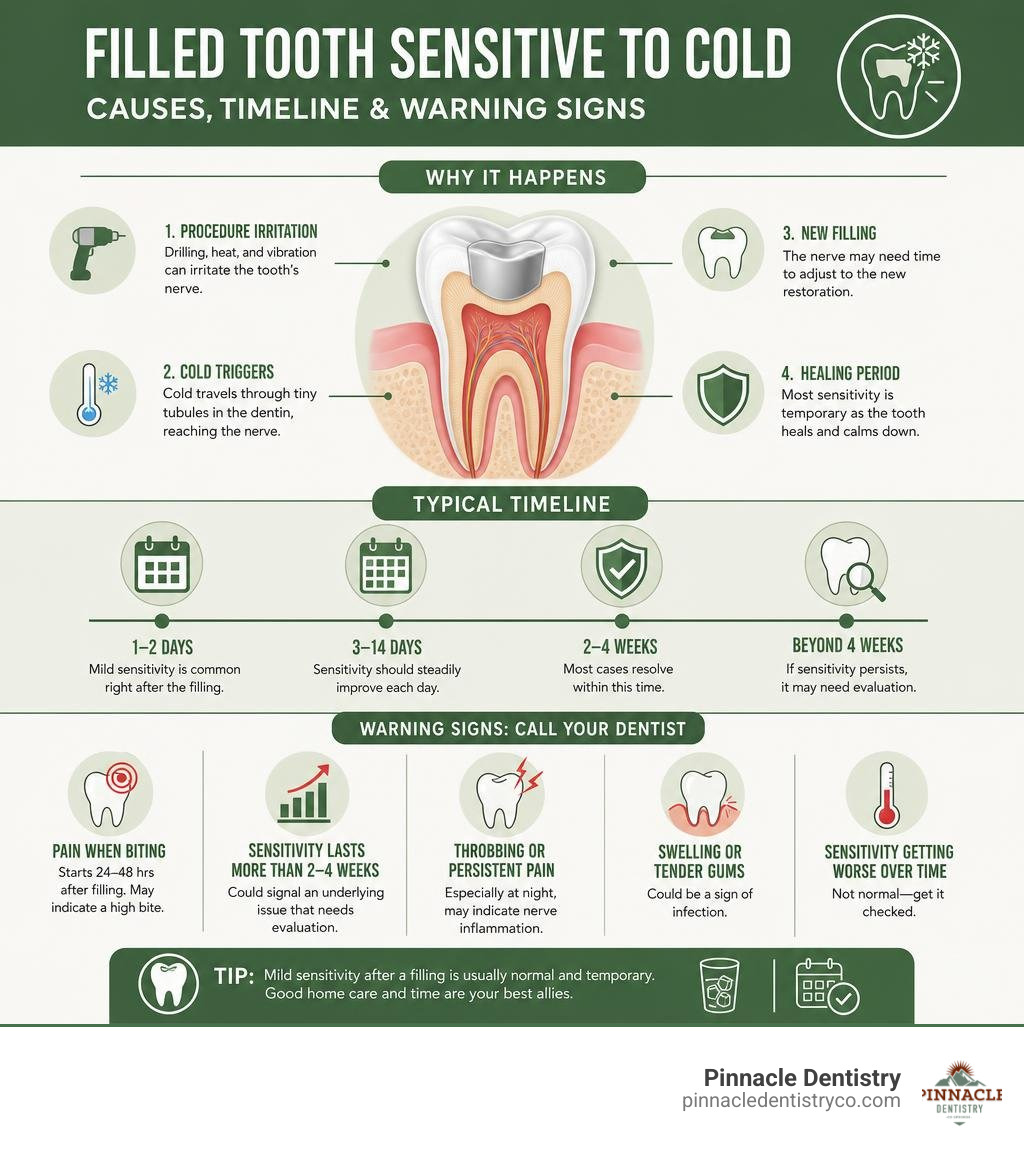
Most people experience some degree of cold sensitivity for a few days up to two weeks after getting a filling. The tooth’s nerve has been through a lot, including drilling, heat, and vibration, and it needs time to settle down. Over 45 million adults in the U.S. deal with tooth sensitivity, and post-filling sensitivity is one of the most common triggers.
That said, not all post-filling sensitivity is the same. Some types signal that everything is healing on schedule. Others can point to a problem that needs attention, like a high bite, microleakage, or in rare cases, something more serious like irreversible pulpitis or a cracked root.
I’m Dr. Thomas Jennings, DDS, MAGD, founder of Pinnacle Dentistry in Colorado Springs, CO, and over my 35+ years of practice I have helped countless patients navigate post-filling discomfort, including cases where a filled tooth sensitive to cold turned out to need more than just a little patience. In this guide, I will walk you through exactly what is normal, what is not, and how to get relief fast.
Why Is a Filled Tooth Sensitive to Cold?
To understand why a newly filled tooth reacts so sharply to cold temperatures, we have to look beneath the surface of the tooth. Underneath your hard outer enamel lies a softer, highly porous layer called dentin. Dentin contains thousands of microscopic channels, known as dentin tubules, that lead directly to the pulp chamber where the tooth’s nerve resides.
When a cavity is prepared, the protective enamel is drilled away, exposing these tubules. Any cold stimulus passing over the tooth can cause fluid shifts inside these tiny channels, which instantly alerts the nerve. If you want to dive deeper into the mechanics of this process, you can read our detailed guide on understanding tooth sensitivity.
Nerve Irritation and Reversible Pulpitis
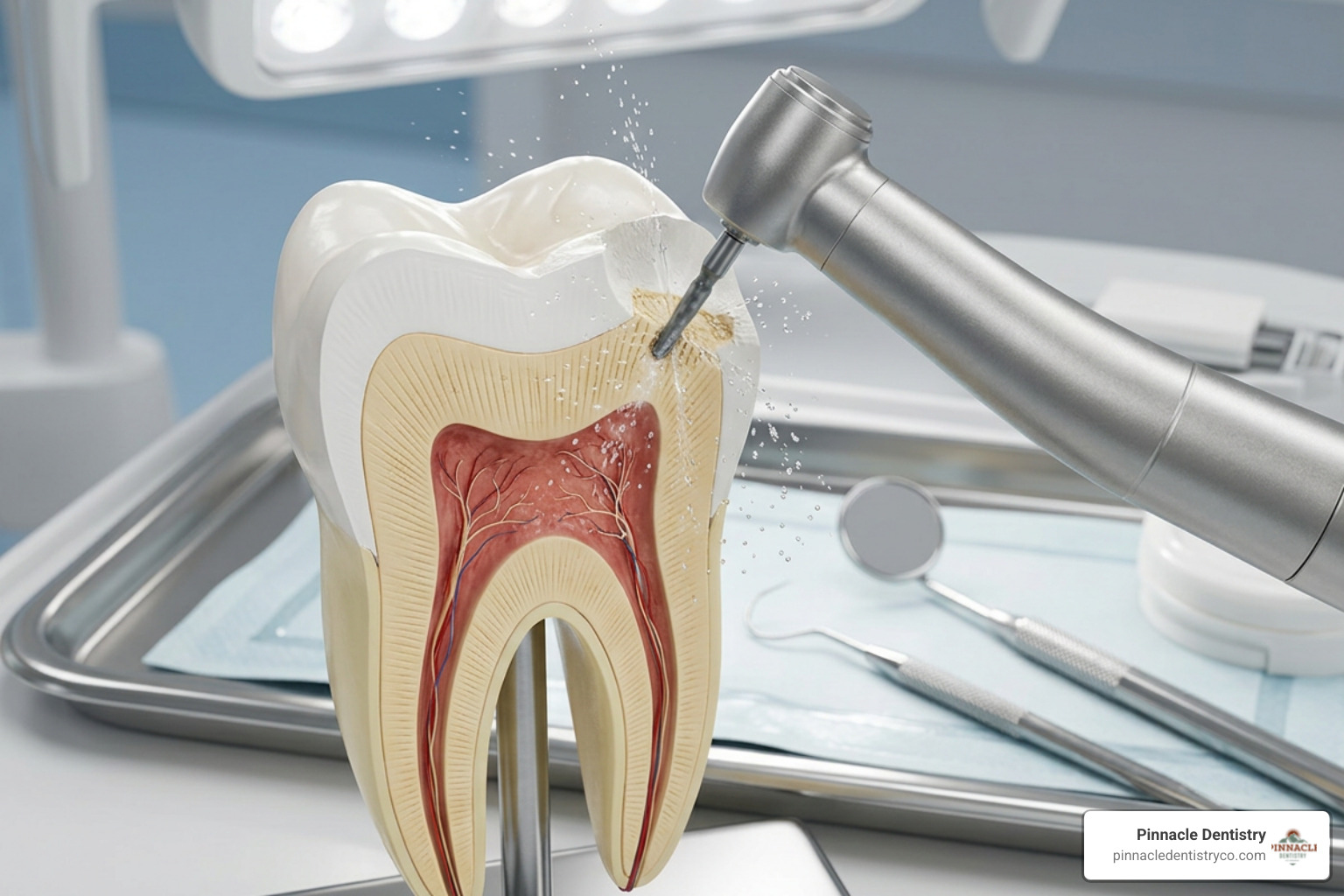
The process of removing decay requires high-speed dental drills. Even with the continuous water spray used to keep the area cool, the friction, vibration, and heat generated during drilling can cause minor trauma to the delicate nerve tissue inside the pulp.
This trauma often results in a condition called reversible pulpitis, which is essentially a bruised nerve. Just like a bruised shin, the nerve becomes inflamed and highly sensitive to external stimuli, especially cold temperatures. This inflammation is a natural part of the healing process, and in the vast majority of cases, the nerve will calm down and heal on its own within a couple of weeks.
How Different Filling Materials Conduct Temperature
The material used to restore your tooth also plays a significant role in how quickly you feel temperature changes.
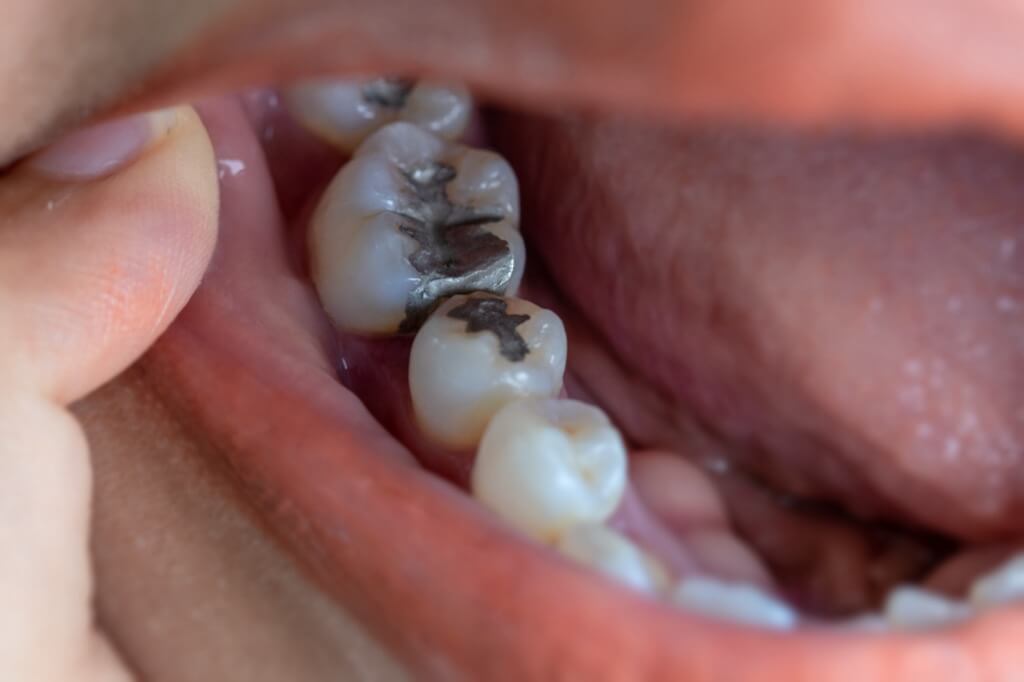
Historically, silver amalgam fillings have been widely used. Because amalgam is a metallic alloy, it is an excellent conductor of thermal energy. When you drink ice water, a metal filling will rapidly contract and transfer that cold temperature directly to the underlying dentin and nerve.
In contrast, modern tooth-colored fillings are made of composite resin. Composite resin acts as a natural insulator, slowing the transfer of heat and cold to the nerve. You can learn more about how these aesthetic materials protect your teeth in our article on the advantages of tooth-colored fillings.
However, composite fillings can sometimes cause initial sensitivity due to microscopic shrinkage. When the composite material is cured with a special blue light, it shrinks slightly, which can pull on the walls of the tooth and create tension. This tension can make the tooth temporarily sensitive to pressure and temperature changes until the tooth adapts.
Differentiating Normal Healing from Serious Dental Issues
While a certain level of post-procedure discomfort is to be expected, it is crucial to recognize when your symptoms cross the line from normal healing to a problem that requires professional intervention.

Normal Post-Procedure Sensitivity Timeline
Under normal circumstances, post-filling cold sensitivity should peak within the first two to three days after your appointment. After this initial peak, you should notice a gradual, steady improvement each day.
While some teeth can take up to two to four weeks to fully settle, the key identifier of normal healing is that the discomfort is mild, brief, and consistently improving. If you are curious about what to expect during this recovery window, you can read more about normal post-filling sensations to ease your peace of mind.
Signs of a High Bite or Misaligned Filling
One of the most common causes of persistent post-filling pain is a high bite. When your dentist places a filling, they use carbon paper to check how your teeth come together. However, because your mouth is numb during the procedure, it can be difficult to bite naturally.
Once the anesthetic wears off, you may find that the new filling makes premature contact with the opposing tooth when you chew. This extra pressure puts immense strain on the periodontal ligament, the tiny fibers that anchor your tooth to the jawbone.
A high bite does not just cause pain when chewing, it also keeps the tooth’s nerve in a constant state of inflammation, making it highly sensitive to cold. If your tooth feels fine until you bite down, and then it throbs or zings, your filling likely needs a quick, five minute adjustment at our office.
When a Filled Tooth Sensitive to Cold Indicates Pulpitis or Infection
If the inflammation in the nerve does not resolve, it can transition from reversible pulpitis to irreversible pulpitis. In these cases, the nerve has sustained too much damage to heal itself.
You can identify irreversible pulpitis or an active infection by watching for these warning signs:
- Severe, sharp, or throbbing pain that occurs spontaneously without any trigger.
- Pain that lingers for more than 30 seconds after you remove the cold food or drink.
- Intense throbbing toothache that wakes you up in the middle of the night.
- Swelling in the gums near the treated tooth, a foul taste, or a fever.
These symptoms mean the nerve is actively dying or infected, and you will need to seek professional care. Often, the best way to save the tooth and eliminate the pain is through root canal therapy followed by a protective crown. If you are experiencing these signs, it is important to learn about your options for restorative dental fillings and nerve treatments.
Advanced Complications: Cracked Roots and Microleakage
Sometimes, cold sensitivity persists because of structural issues that are difficult to see with the naked eye.
How a Cracked Root Causes a Filled Tooth Sensitive to Cold
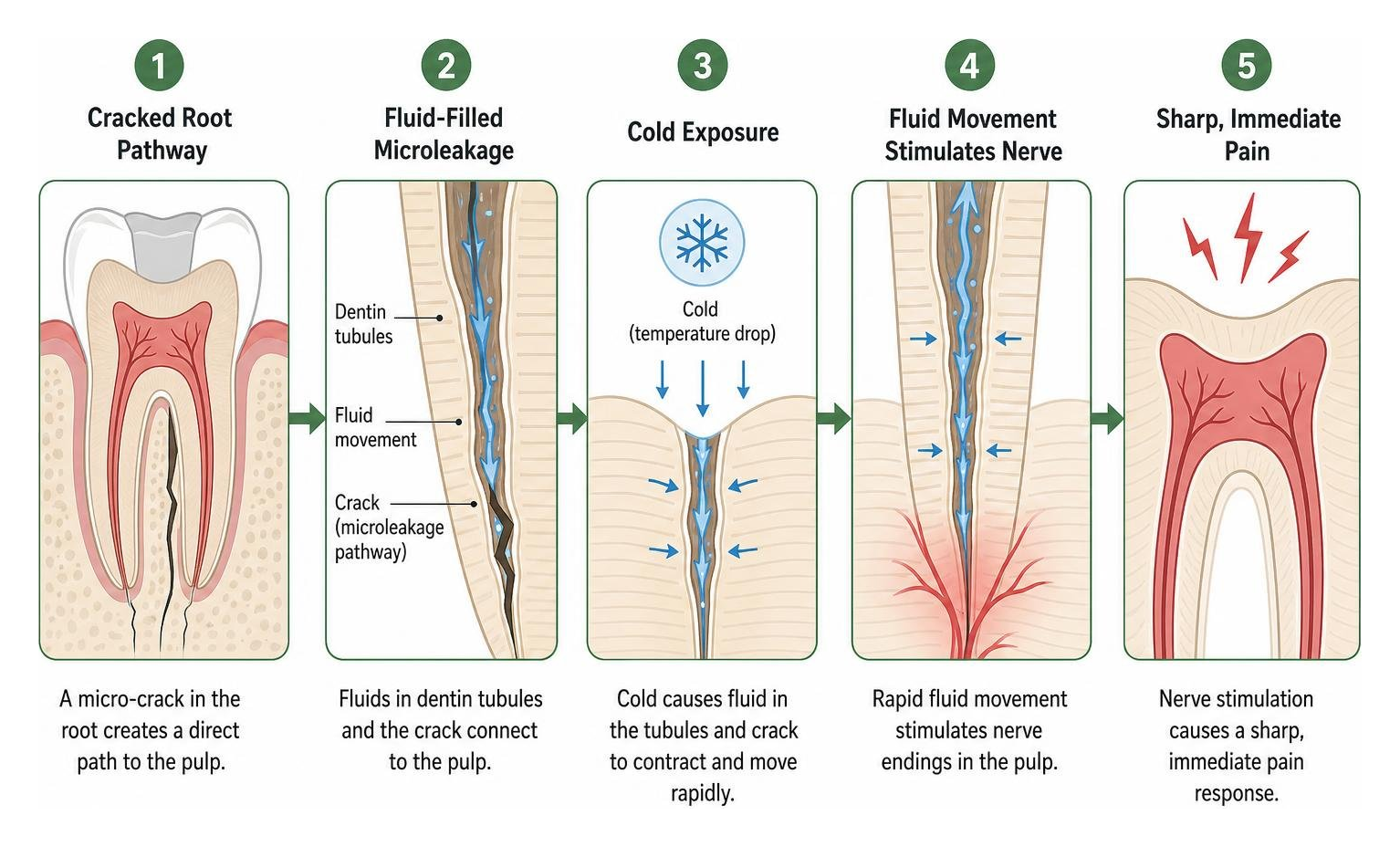
A micro-fracture or vertical root fracture can act as a direct pathway for temperature extremes to reach the nerve. According to the hydrodynamic theory of dental pain, cold temperatures cause the fluid inside the dentin tubules and cracks to contract rapidly. This sudden movement of fluid triggers the nerve fibers, causing a sharp, immediate pain response.
Detecting a cracked root can be challenging because standard dental X-rays often miss hairline fractures. In these complex cases, advanced diagnostic tools like 3D Cone Beam Computed Tomography (CBCT) are incredibly valuable, allowing us to view the tooth’s root structure from every angle. If you are interested in the complex dental science behind these cases, you can read more about persistent cold sensitivity mechanisms to understand how microscopic structural damage affects tooth nerves.
Microleakage is another issue that can occur if the bond between the filling material and the tooth structure is compromised. If a tiny marginal gap develops, bacteria and cold fluids can seep underneath the filling, irritating the nerve and potentially causing recurrent decay.
Effective At-Home and Professional Treatments for Relief
If you are dealing with a filled tooth sensitive to cold, there are several practical steps you can take at home to manage the discomfort while your tooth heals, as well as several professional treatments we can provide at Pinnacle Dentistry.
At-Home Care and Desensitizing Products
To keep your healing tooth comfortable during the first couple of weeks, try these home care strategies:
- Switch to a soft-bristled toothbrush: Brush gently using small, circular motions. Aggressive scrubbing can wear away protective enamel and irritate your gums.
- Avoid temperature extremes: Skip the ice water and piping hot coffee for a few days. Opt for lukewarm or room-temperature foods and drinks instead.
- Use specialized toothpaste: Incorporate a high-quality desensitizing toothpaste into your daily routine. Look for products containing potassium nitrate, which works by calming the tooth’s nerve signals, or stannous fluoride, which physically blocks the exposed dentin tubules. It typically takes three to seven days of consistent use to feel the effects. For severe cases, you can explore our recommendations for top-rated toothpastes for severe sensitivity.
- Over-the-counter relief: Anti-inflammatory medications like ibuprofen can help reduce nerve swelling and ease mild discomfort.
Professional Dental Interventions
If your sensitivity does not improve after a few weeks, we have several highly effective in-office treatments to resolve the issue:
- Bite adjustments: If your filling is even a fraction of a millimeter too high, we can gently reshape it to balance your bite, providing almost immediate relief.
- Desensitizing agents: We can apply professional-strength fluoride varnishes or medical-grade sealants to block exposed dentin tubules and shield the nerve.
- Filling replacement: If there is microleakage or a marginal gap, we can replace the filling to ensure a perfect, airtight seal.
- Root canal therapy: If the nerve is irreversibly damaged, we will gently remove the inflamed tissue to permanently eliminate the pain while saving your natural tooth structure.
Frequently Asked Questions About Cold Sensitivity After Fillings
How long does cold sensitivity last after a dental filling?
For most patients, mild cold sensitivity lasts anywhere from a few days to two weeks. As the nerve heals from the trauma of the drilling and the filling material settles, the sensitivity should steadily diminish.
Is it normal for a tooth to be sensitive to cold weeks after a filling?
While most sensitivity resolves within two weeks, deep fillings placed close to the nerve can take four to six weeks to fully heal. However, if the sensitivity is not improving, is worsening, or is accompanied by pain when biting, you should schedule a dental evaluation.
Why does my tooth hurt when I drink cold water after a filling?
When you drink cold water, the sudden temperature drop causes the fluid inside your tooth’s microscopic dentin tubules to contract. This fluid movement stimulates the nearby nerve endings, resulting in a sharp, brief pain signal.
Can a deep cavity filling cause permanent cold sensitivity?
A deep filling can cause prolonged sensitivity because of how close the decay was to the nerve. If the nerve is unable to recover, it can lead to irreversible pulpitis, which requires a root canal to resolve.
How do I know if my post-filling sensitivity is a high bite?
If your tooth is highly sensitive to cold and also hurts specifically when you chew, bite, or clench your teeth, your filling is likely too high. A high bite places excessive pressure on the tooth, keeping the nerve inflamed.
What does lingering cold pain after a filling mean?
If your tooth continues to hurt for more than 30 seconds after you finish a cold drink, it is a classic sign of irreversible pulpitis. This means the nerve is too damaged to heal on its own and will likely require root canal therapy.
Can an allergic reaction to filling materials cause cold sensitivity?
Allergic reactions to dental fillings are extremely rare. The American Dental Association reports fewer than 100 documented cases of allergic reactions to silver amalgam fillings. If an allergy does occur, it typically presents as skin rashes or oral lesions rather than isolated cold sensitivity.
Does desensitizing toothpaste help with post-filling cold sensitivity?
Yes. Toothpastes containing potassium nitrate or stannous fluoride help block the pathways to the nerve and calm nerve activity. For the best results, use it twice daily for at least a week.
When should I go back to the dentist for cold sensitivity?
You should contact your dentist if your cold sensitivity lasts longer than two to four weeks without improvement, if the pain worsens, or if you experience throbbing pain, swelling, or pain when biting.
Can a cracked tooth cause cold sensitivity after being filled?
Yes. Micro-fractures can allow cold temperatures and bacteria to bypass the protective filling and travel deep into the tooth, causing sharp, persistent pain that requires specialized diagnostic testing to identify.
Conclusion
Experiencing cold sensitivity after a filling is incredibly common, and in most cases, it is simply a sign that your tooth’s nerve is healing. By giving the tooth a little time, maintaining gentle oral hygiene, and using desensitizing products, you will find that the discomfort usually fades away naturally.
However, you do not have to live with ongoing pain. If your sensitivity is accompanied by biting discomfort, lingers for a long time, or simply is not getting better, it is time to seek professional care. At Pinnacle Dentistry in Colorado Springs, CO, our team of highly skilled, MAGD-certified dentists is dedicated to providing you with the highest standard of personalized care.
If you are ready to find relief and ensure your smile is in perfect health, please reach out to us at our Briargate office in El Paso County, CO. You can easily schedule a consultation online or call Pinnacle Dentistry today to book your appointment.
