
The Best Toothpaste for Pain Relief: Quick Picks for Sensitive Teeth
Finding the best toothpaste for pain relief is something many families deal with more than they expect. About 1 in 8 people suffer from tooth sensitivity, and for a lot of them, the pain shows up at the worst moments: a bite of ice cream, a sip of morning coffee, or even just stepping outside on a cold Colorado Springs, CO day.
Look for toothpastes with either potassium nitrate or stannous fluoride as the active ingredient. Use twice daily, and don’t rinse immediately after brushing. Most people notice improvement within a few days to a few weeks of consistent use.
Tooth sensitivity is not just an inconvenience. It can signal something more serious, like enamel erosion, gum recession, or even a cracked tooth. The right toothpaste can help manage the symptoms, but understanding what is causing your pain matters just as much as picking the right product.
I’m Dr. Thomas Jennings, DDS, MAGD, founder of Pinnacle Dentistry in Colorado Springs, CO, with over 35 years of experience helping patients manage tooth pain and sensitivity through both professional care and smart at-home habits like choosing the best toothpaste for pain relief. In this guide, I’ll walk you through exactly what to look for so you can make a confident, informed choice for your family.
Understanding Tooth Sensitivity and Pain
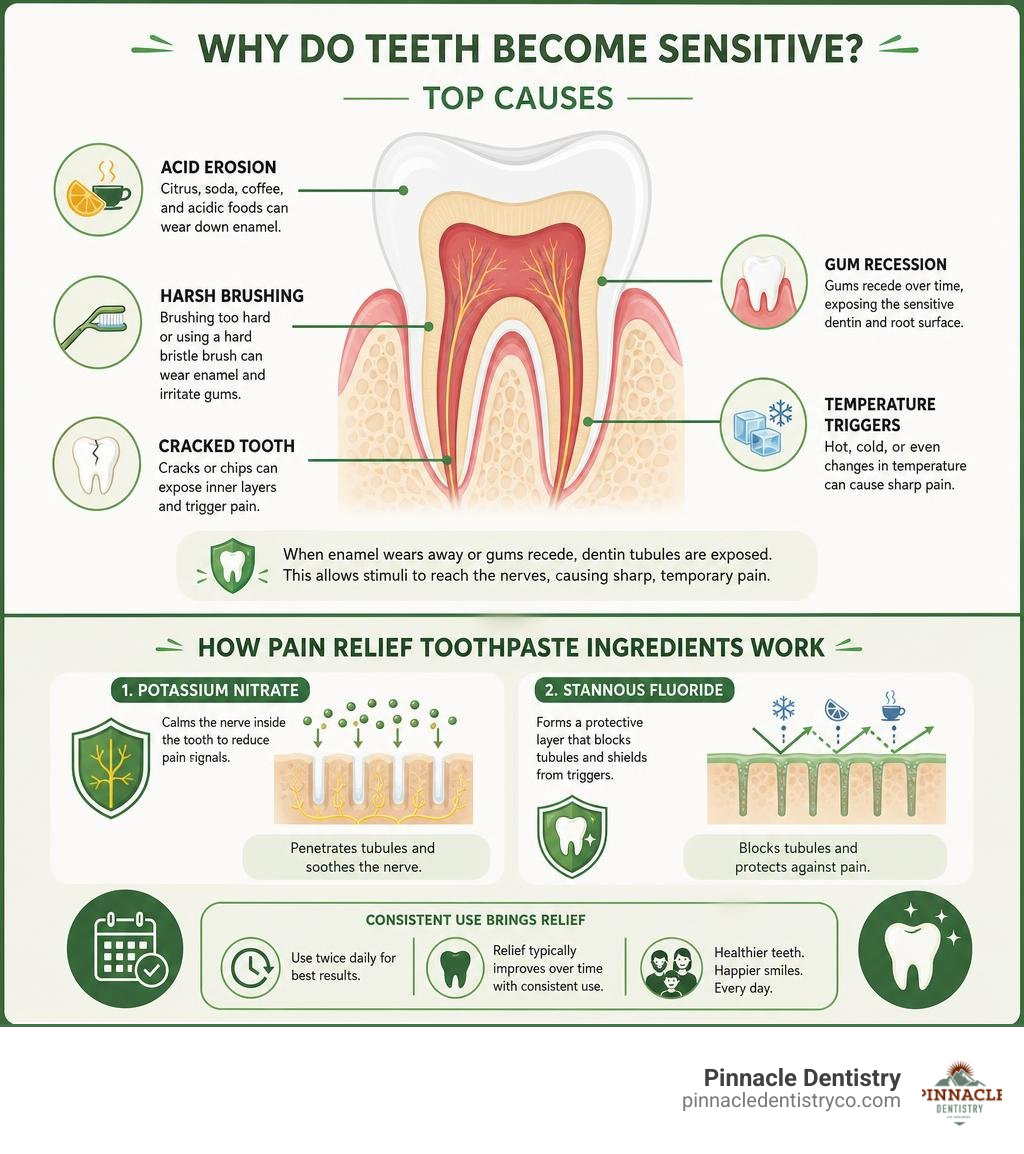
To understand how the best toothpaste for pain relief actually works, we first have to look at the anatomy of your teeth. Underneath the hard outer layer of enamel lies a highly sensitive, porous structure called dentin. Dentin contains thousands of microscopic channels known as dentin tubules. These tubules lead directly to the tooth pulp, which houses the nerves and blood vessels.
When your enamel is strong and healthy, it acts like a shield, protecting the dentin from external elements. However, when enamel wears away or your gums recede, these microscopic tubules become exposed to the oral environment.
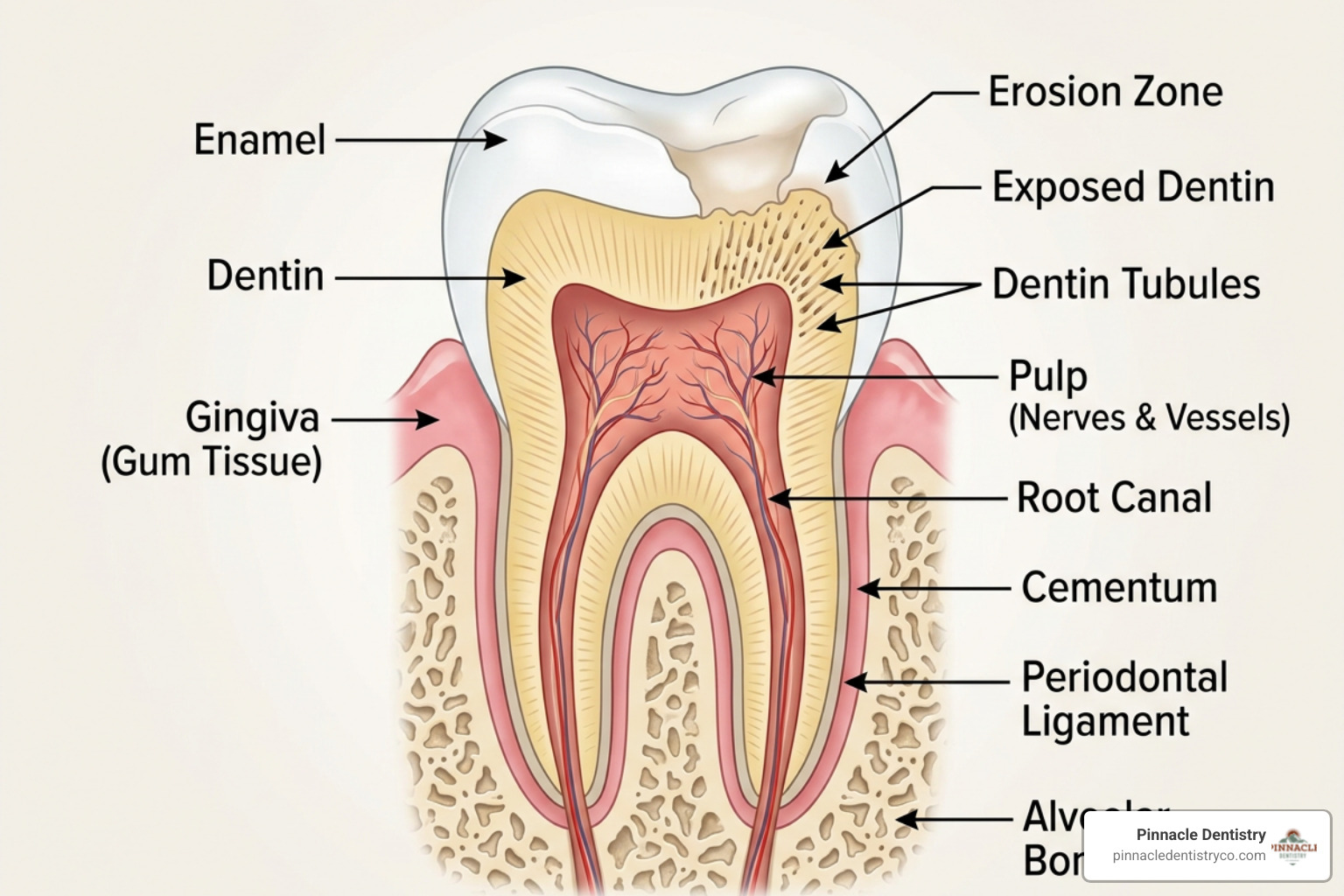
When you consume hot foods, ice cold drinks, or highly acidic treats, the sudden temperature or chemical change travels down these open tubules. This stimulates the nerves inside the pulp, resulting in a sudden, sharp, and often shocking pain. Common triggers include:
- Biting into cold ice cream or drinking iced coffee
- Sipping hot tea or broth
- Walking outside in the brisk Colorado Springs, CO winter air
- Consuming sweet or highly acidic foods like citrus and tomatoes
There are several common tooth sensitivity causes that expose these pathways. Aggressive brushing with hard-bristled toothbrushes can physically wear down enamel and push back the gums. Chronic teeth grinding, also known as bruxism, puts immense pressure on your teeth, leading to microfractures and enamel loss near the gumline. Acidic beverages can chemically dissolve enamel over time, while gum disease leads to gum recession, exposing the highly sensitive root surfaces which lack protective enamel.
Understanding these underlying issues is the first step toward finding lasting comfort, as the right toothpaste can target these exact pain pathways.
Key Ingredients in the Best Toothpaste for Pain Relief
When you browse the dental aisle, you will find dozens of products promising instant comfort. To find the best toothpaste for pain relief, you need to look past the marketing claims and check the active ingredients list on the back of the box. Desensitizing formulas rely on two primary, scientifically proven mechanisms to stop tooth pain: nerve desensitization and tubule occlusion.
The most common nerve-calming agent is potassium nitrate. At a 5 percent concentration, which is the maximum strength allowed in over-the-counter formulas, potassium nitrate works by penetrating the dentin tubules to reach the nerves inside the tooth. Once there, potassium ions build up and temporarily block the transmission of pain signals from the tooth to the brain. Think of it as a gentle volume dial that slowly turns down the nerve’s responsiveness. It does not physically block the tubules, but it keeps the nerve from throwing a temperature tantrum every time you drink cold water.
The second primary mechanism is tubule occlusion, which is typically achieved using stannous fluoride. Unlike sodium fluoride, which primarily focuses on cavity prevention, stannous fluoride provides dual benefits. It acts as a physical shield by binding to the tooth surface and forming a protective mineral layer over the exposed dentin tubules. This layer seals the microscopic holes, preventing temperature changes and sweet triggers from reaching the nerves in the first place.
According to official DailyMed drug facts, combining a proven desensitizing agent like potassium nitrate with a cavity-protecting fluoride compound provides a safe, highly effective dual-action approach for daily oral care. Using a specialized desensitizing toothpaste consistently allows these active ingredients to build a continuous barrier of protection.
Top Categories of Toothpastes for Sensitivity and Discomfort
Not all sensitive toothpastes are created equal, and the right choice for you depends on your specific symptoms and oral health goals. Many people assume they have to choose between relieving pain, preventing cavities, or keeping their teeth white. Fortunately, modern dental science allows manufacturers to create specialized formulas that address multiple concerns at once.
When selecting a product, it is wise to choose low-abrasion formulas. Highly abrasive whitening toothpastes can wear down weakened enamel, making your sensitivity worse over time. By selecting a gentle, low-abrasion formula, you can clean your teeth effectively without risking further enamel wear or gum irritation.
Potassium Nitrate Formulas as the Best Toothpaste for Pain Relief
If your primary issue is a generalized, sharp reaction to hot and cold temperatures, a potassium nitrate-based formula is often your best bet. These toothpastes are designed to calm the nerves deep inside your teeth.
For maximum effectiveness, look for a formula containing 5 percent potassium nitrate, which is the highest concentration available without a prescription. A great example of this approach is a standard desensitizing formula. This formula combines the nerve-calming power of potassium nitrate with optimized fluoride technology to replenish lost minerals, strengthen weakened enamel, and protect your teeth from everyday acid wear.
Stannous Fluoride Options as the Best Toothpaste for Pain Relief
For those seeking rapid relief from acute sensitivity, stannous fluoride formulas are highly recommended. Because stannous fluoride physically blocks the open pathways to the nerves, it can provide a faster shield against pain than nerve-calming ingredients alone.
These specialized stannous fluoride toothpastes quickly create a protective mineral layer over exposed dentin. Many patients report a significant reduction in sensitivity in as little as three days of twice-daily brushing, making it an excellent choice if you need fast, reliable relief.
Dual Action Sensitivity and Gum Health Toothpastes
Often, tooth sensitivity and gum issues go hand in hand. When gums are inflamed or receding due to plaque buildup, the delicate root surfaces of your teeth become exposed, leading to severe discomfort. In these cases, treating the sensitivity alone is not enough, you must also address the health of your gums.
A dual-action formula targets both problems simultaneously. It uses stannous fluoride to build a protective barrier over sensitive areas while actively neutralizing plaque bacteria along the gumline. This helps reduce gum swelling and bleeding, addressing the root cause of gum recession while keeping your teeth comfortable.
How to Use Pain Relief Toothpaste for Maximum Effectiveness
Simply switching your toothpaste is not always enough to guarantee relief. How you brush matters just as much as the ingredients in your tube. To get the most out of your desensitizing toothpaste, you need to use the proper technique and give the active ingredients time to work.
First, always use a soft-bristled toothbrush. Medium or hard bristles can act like sandpaper on your teeth, wearing down enamel and pushing back your gums. Hold your brush at a 45-degree angle to your gums and use gentle, circular motions rather than scrubbing back and forth aggressively. Let the bristles do the work without applying heavy pressure.
Consistency is absolutely vital. Desensitizing ingredients need to build up a protective barrier over time. If you only use sensitive toothpaste occasionally, or swap back and forth with a standard whitening paste, you will wash away the protective layers. Brush thoroughly twice a day for a full two minutes each session.
Additionally, try to avoid rinsing your mouth with water immediately after brushing. Instead, spit out the excess paste and let the remaining residue sit on your teeth. This gives the potassium nitrate or stannous fluoride more time to penetrate the dentin and seal those open pathways. If you have a highly sensitive spot, you can even use a clean fingertip to apply a small dab of the toothpaste directly to the area before bed.
By combining proper brushing habits with the right products, you can successfully manage mild to moderate tooth sensitivity at home. For a deeper look at how these formulas compare, you can read our guide on desensitizing toothpastes and ingredients to find the perfect match for your daily routine.
When to See a Dentist for Persistent Tooth Pain
While the best toothpaste for pain relief is an incredible tool for managing day-to-day sensitivity, it is not a cure-all for every type of dental pain. Toothaches can stem from a variety of sources, some of which require immediate professional intervention. Relying solely on toothpaste to mask severe pain can allow an underlying infection or structural issue to worsen, potentially leading to more complex and expensive treatments down the road.
If you experience any of the following symptoms, it is time to put down the toothpaste and schedule an appointment with our team at Pinnacle Dentistry:
- Persistent Pain: Pain or sensitivity that lasts for more than three to four weeks despite using a desensitizing toothpaste twice daily.
- Lingering Discomfort: Discomfort that lingers for more than 30 seconds after you have finished consuming hot, cold, or sweet foods.
- Constant Aching: A dull, throbbing ache that occurs spontaneously without any temperature triggers, especially if it wakes you up at night.
- Pain When Chewing: Sharp pain when biting down or chewing food, which often indicates a cracked tooth or a loose filling.
- Swelling and Inflammation: Visible swelling in your gums, cheek, or neck, or a pimple-like bump on your gums. These are classic signs of a dental abscess or infection.
- Systemic Symptoms: A fever or general feeling of illness accompanying your toothache, which suggests the infection may be spreading.
At Pinnacle Dentistry, we believe in finding the root cause of your discomfort. Whether you need a simple protective sealant for receding gums, a custom night guard to prevent grinding, or restorative care for a cracked tooth, we are here to provide personalized, gentle solutions to keep your smile healthy and pain-free.
Frequently Asked Questions About Toothache and Sensitivity Relief
How long does it take for sensitivity toothpaste to work?
The timeline depends on the active ingredients. Stannous fluoride formulas can begin providing noticeable relief in as little as three days by physically blocking dentin tubules. Potassium nitrate formulas, which calm the tooth nerves, typically take one to two weeks of consistent, twice-daily use to build up enough protection to significantly reduce your pain.
Can I use sensitive toothpaste every day?
Yes, desensitizing toothpastes are specifically formulated for daily, long-term use. They contain standard cavity-fighting fluoride and cleaning agents just like regular toothpaste, but with added ingredients to manage pain. Using them every day is actually recommended to maintain the protective barrier on your teeth.
What causes sudden tooth sensitivity in one tooth?
Sudden sensitivity localized to a single tooth is often a warning sign of a specific structural issue rather than general enamel wear. It can be caused by a new cavity, a cracked or chipped tooth, a loose or damaged filling, or localized gum recession that has exposed the tooth’s root. If you experience sudden pain in just one spot, it is best to have a dentist evaluate it.
Are there any side effects of using pain relief toothpaste?
Sensitive toothpastes are highly safe and gentle. However, some individuals with highly sensitive soft tissues may experience mild irritation from certain inactive ingredients, such as sodium lauryl sulfate, which is a common foaming agent. If you experience tissue sloughing or canker sores, switching to an SLS-free sensitive formula can help.
Can children use toothpaste for sensitive teeth?
Most over-the-counter sensitive toothpastes are approved for adults and children ages 12 and older. For younger children, tooth sensitivity is less common and can indicate developing decay or developmental enamel issues. It is always best to consult a pediatric dentist before introducing desensitizing products to a child under 12.
Does whitening toothpaste make teeth more sensitive?
Yes, many traditional whitening toothpastes use harsh, highly abrasive particles to scrub away surface stains, which can thin your protective enamel over time. Some also contain chemical whitening agents like hydrogen peroxide that can temporarily inflame the tooth pulp. If you want a brighter smile without the ache, look for low-abrasion whitening formulas designed specifically for sensitive teeth.
Can sensitive toothpaste heal a cavity?
No, sensitive toothpaste cannot heal an active cavity. While the fluoride in these toothpastes can help remineralize weakened enamel in the very early, pre-cavity stages of decay, once a physical hole or cavity has formed in the tooth, it must be cleaned and filled by a professional dentist.
What ingredients should I avoid if I have sensitive teeth?
If you struggle with sensitive teeth, try to avoid toothpastes with high relative dentin abrasivity levels, which often include heavy charcoal formulas or intense tartar-control ingredients. You should also watch out for sodium lauryl sulfate if you are prone to canker sores or gum irritation.
Is there a natural alternative to fluoride for tooth pain?
Yes, nano hydroxyapatite is a popular and effective alternative. It is a biocompatible mineral that makes up the majority of natural tooth enamel. Toothpastes containing nano hydroxyapatite can help seal open dentin tubules and remineralize enamel without the use of fluoride, offering a gentle option for sensitivity relief.
When is tooth pain considered a medical emergency?
Tooth pain becomes a medical emergency if it is accompanied by facial or neck swelling, a high fever, difficulty swallowing, or trouble breathing. These symptoms indicate a severe, spreading dental infection that requires immediate emergency medical or dental attention to prevent serious systemic complications.
Conclusion
Finding the best toothpaste for pain relief can completely change how you enjoy your daily life, letting you drink your morning coffee or walk through El Paso County on a crisp morning without a second thought. However, while at-home care is a great first step, it is never a substitute for professional evaluation.
At Pinnacle Dentistry, our certified MAGD dentists provide personalized, high-quality preventative, cosmetic, and restorative care for families throughout Colorado Springs, CO. We pride ourselves on offering a gentle, patient-first approach to help you achieve a beautiful, healthy smile. If you are tired of dealing with persistent tooth pain or want a professional opinion on your dental health, please contact our office at our convenient Briargate location at 2430 Research Pkwy Suite 200 Colorado Springs, CO 80920, or visit our website to request an appointment with us today.